Johns Hopkins Receives $245K Grant to Distribute Gun Safes at Trauma Centers
Kevin Sowers says more than half of gun owners store firearms unlocked. A new $245K Hopkins grant will put biometric safes directly in trauma patients' hands.
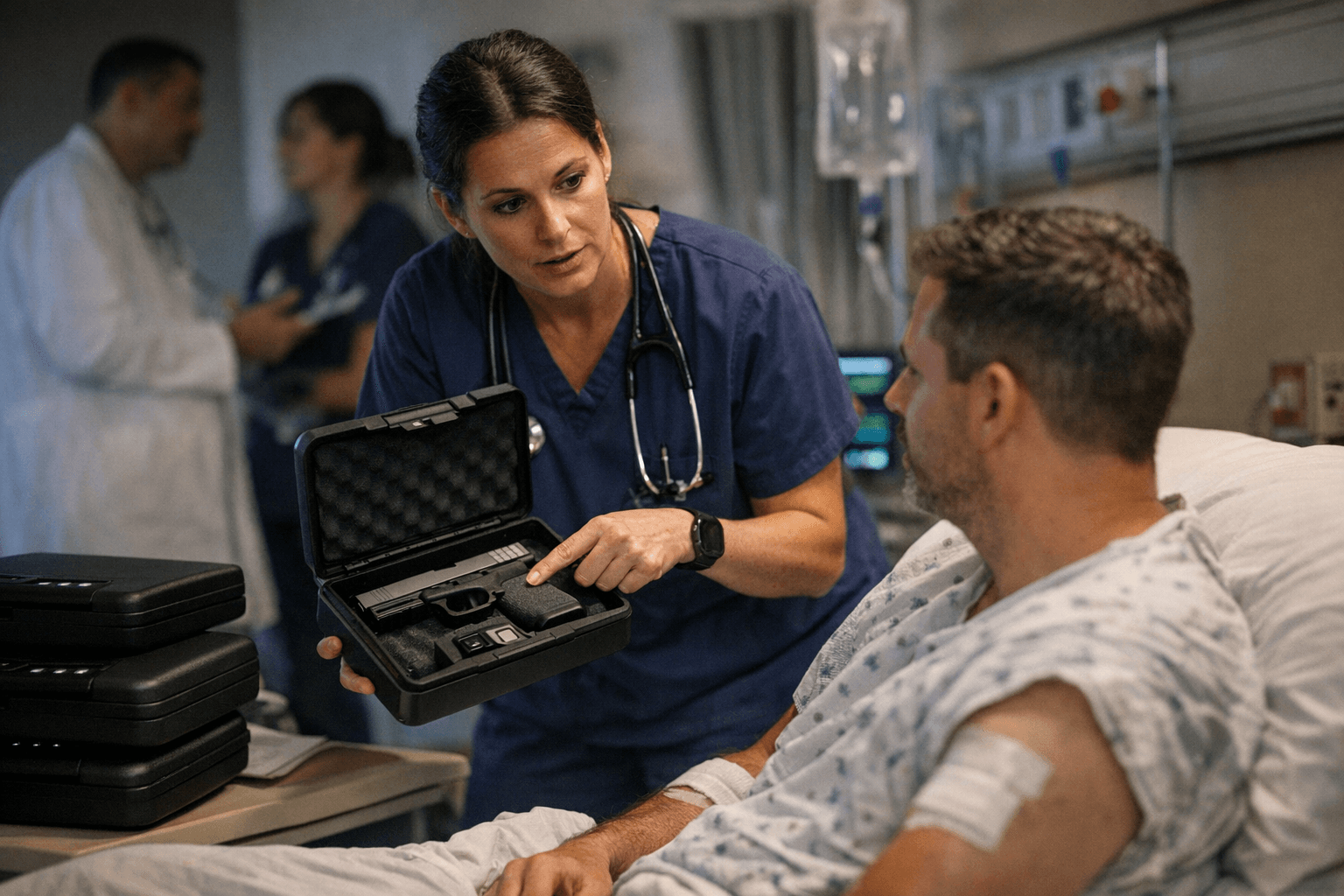
Kevin Sowers, president of Johns Hopkins Health System, framed the stakes in concrete terms: more than half of gun owners store their firearms unlocked. A $245,000 federal grant announced March 30 gives Johns Hopkins a direct way to change that, starting with the families cycling through its Baltimore trauma centers.
The Johns Hopkins Safe Storage Project will distribute biometric gun safes, lock boxes and cable locks to patients at the health system's adult and pediatric trauma centers. The program meets families at a clinically recognized moment of heightened receptivity: the immediate aftermath of a gun-related injury, when the consequences of an unsecured weapon are no longer abstract.
Here is how it works. When a patient is admitted through one of Hopkins' trauma centers, clinical staff pair medical care with safe-storage counseling and provide a device to take home. Biometric safes require a fingerprint to open, blocking child access to a loaded weapon; cable locks and lock boxes cover different firearm types and household configurations. Distribution is embedded in the clinical encounter, not administered as a separate application process.
Rep. Kweisi Mfume (D-Md.), who championed the appropriation as part of his fiscal year 2026 community project requests, joined Hopkins leaders for the announcement. Both Mfume and hospital officials argued that placing a device directly in a family's hands closes the gap between intention and a weapon that is actually secured.
The project builds on Hopkins' existing hospital-based violence-prevention infrastructure, which already connects trauma patients with social-service referrals and community resources. Safe-storage hardware becomes the material layer on top of that counseling framework, and officials positioned the grant as a public-health complement to law enforcement and legislative efforts rather than a substitute for either.
Maryland recorded 671 firearm fatalities in 2024, according to the state health department, and Baltimore's trauma centers have continued to absorb gun injuries as a primary driver of admissions even as overall shooting rates declined citywide. Hopkins officials said outcomes, including rates of unsafe storage and repeat firearm injuries among patients served, will be tracked over time, creating data that could support broader expansion of hospital-based distribution across the state.
Sources:
Know something we missed? Have a correction or additional information?
Submit a Tip