Johns Hopkins seeks approval for stormwater work, trees slated for removal
Johns Hopkins University asked the city Board of Estimates on December 17 for approval of stormwater management upgrades tied to its planned Data Science and AI Institute, a proposal that would require removal of dozens of mature street and park trees. Neighbors say the loss of canopy will harm air quality, wildlife habitat and stormwater buffering, while the university says the work will reduce runoff and include extensive replanting.
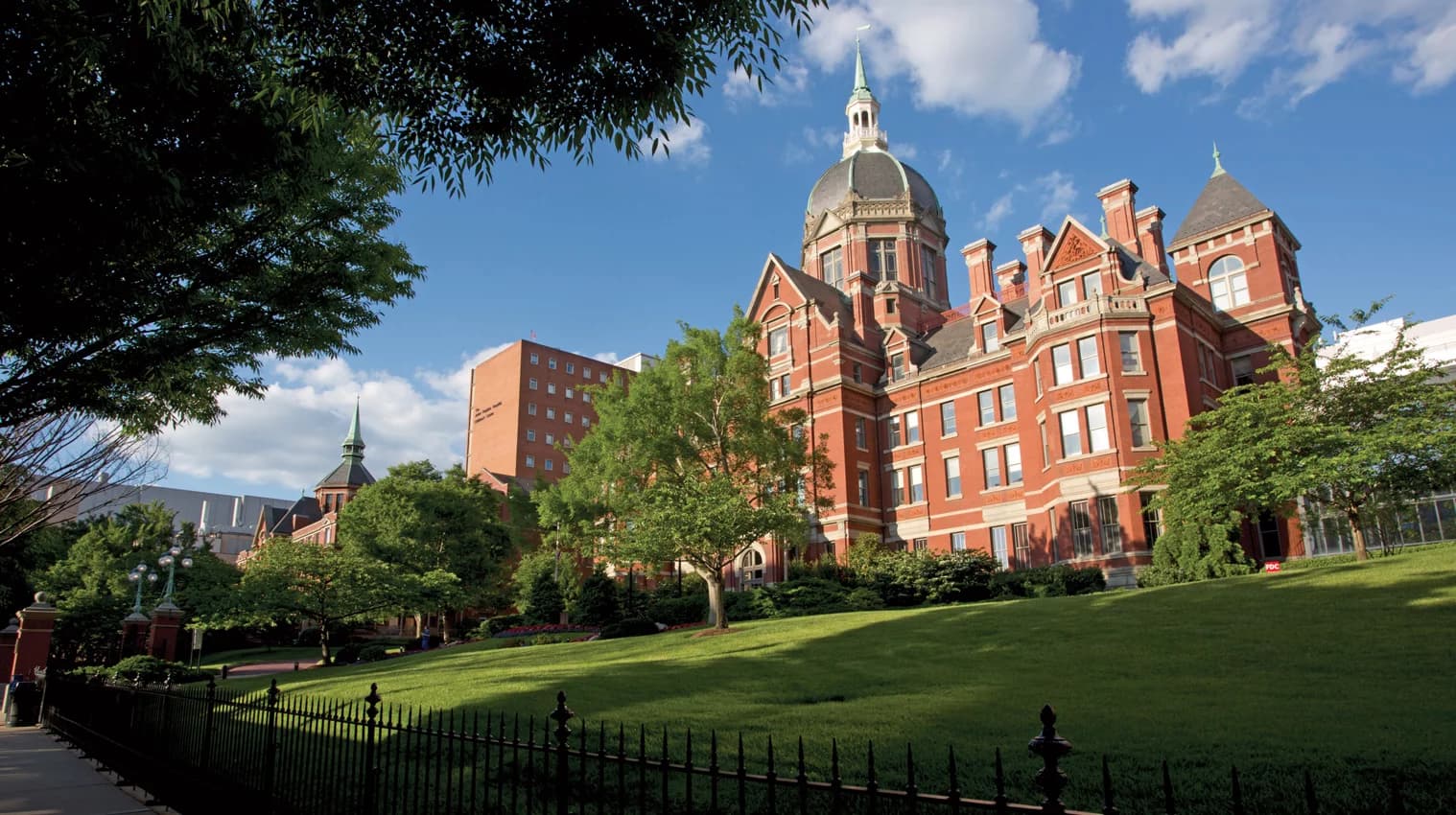
Johns Hopkins University put a stormwater management plan before the Board of Estimates on December 17 that would support construction of its Data Science and AI Institute and entail substantial tree removals in north Baltimore. The university notified city officials that the scope includes removal of roughly 21 elm trees along Wyman Park Drive and nine mature oaks on Remington Avenue, measures that neighborhood activists say will degrade the local tree canopy and worsen environmental conditions.
Residents and community groups objected, arguing that mature trees provide immediate and irreplaceable environmental services, and that replacement saplings will take decades to restore current benefits for shade, wildlife and air quality. Activists demanded the university "reconsider, relocate or reconfigure" portions of the plan, reflecting long running tensions between Hopkins and nearby neighborhoods over the scale and siting of the DSAI project.
University officials told the city the stormwater work is intended to reduce runoff problems that have affected Stony Run and surrounding streets during heavy rains, and that the project will include extensive replanting. The university stated plans to plant hundreds of new trees overall, including dozens on city property, and the developer agreement tied to the project contains maintenance obligations and a letter of credit intended to ensure follow through on stormwater measures.

The controversy comes after prior episodes of runoff and sediment issues connected to adjacent construction, leaving neighbors wary of promised mitigations. For homeowners and local businesses, the dispute is about more than aesthetics. Loss of mature canopy can increase summer temperatures on city streets, reduce interception of stormwater, and diminish habitat for birds and pollinators that residents see in Wyman Park and neighboring blocks.
The Board of Estimates agenda item on December 17 advanced the formal review process, but community leaders say they will press for changes to reduce tree loss and limit nearby environmental impacts. How city officials balance urban infrastructure, campus expansion and neighborhood environmental services will shape not only immediate streetscapes, but the resilience of this corridor against future storms and heat events.
This article was produced by Prism’s automated news system from verified source data, official records, and press releases, then run through automated quality and moderation checks before publishing. The system is built and supervised by the people who set the standards it runs under. Read our full AI policy.
Did this article answer your question?