Johns Hopkins study links Baltimore Safe Streets to fewer youth homicides
Johns Hopkins found Baltimore’s Safe Streets was tied to a 42% drop in youth homicides, a finding that could shape where the city keeps funding violence prevention.
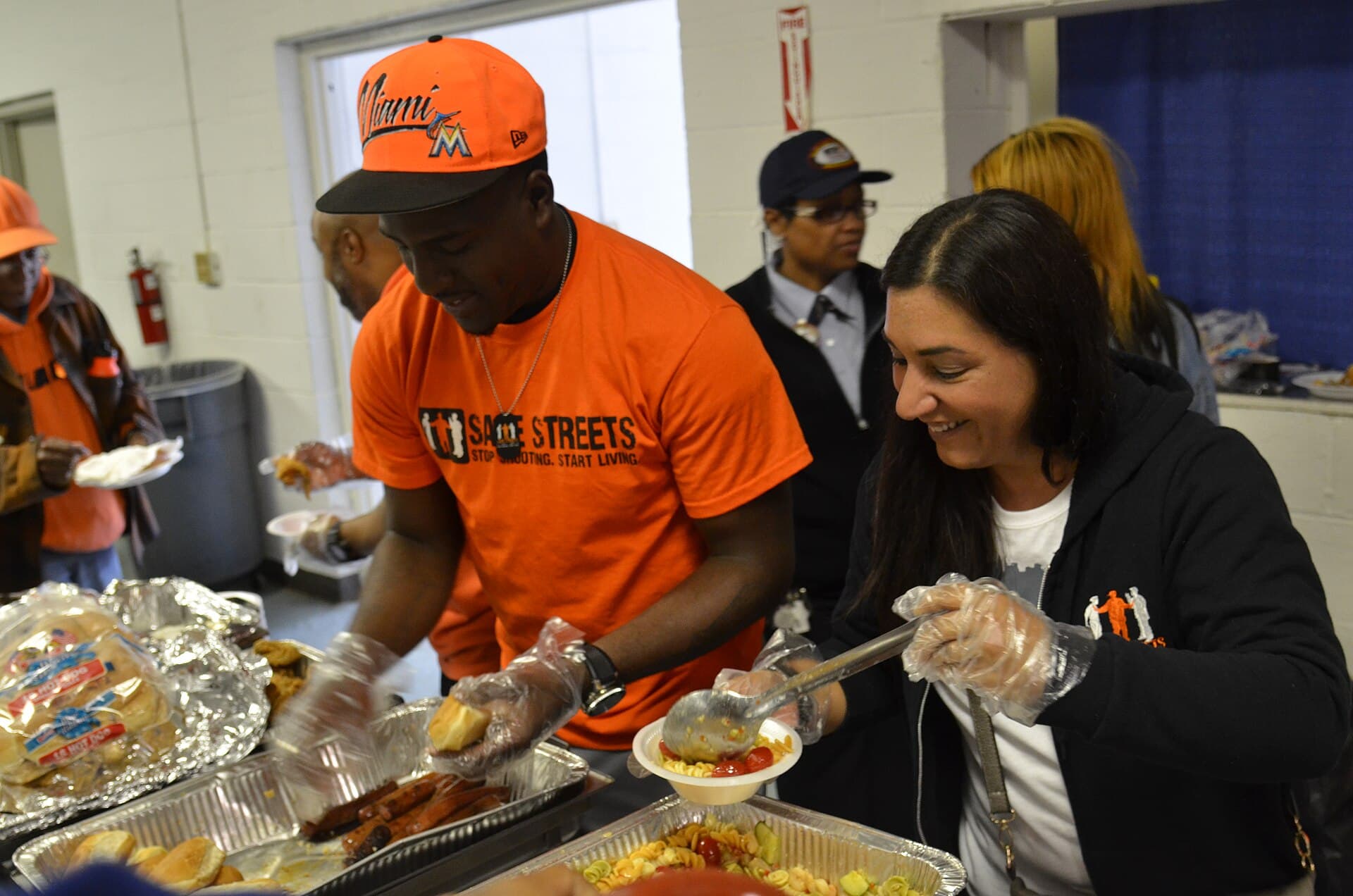
Johns Hopkins researchers found Baltimore’s Safe Streets program was associated with a 42% reduction in homicides involving young people ages 15 to 24, giving city leaders fresh evidence in the debate over one of Baltimore’s most visible anti-violence strategies.
The study also linked Safe Streets to a 21% reduction in youth nonfatal shootings at the neighborhood level. But the Johns Hopkins Center for Gun Violence Solutions said the results varied widely by site and were not statistically significant, a reminder that Baltimore’s violence-interruption network has worked unevenly across neighborhoods.
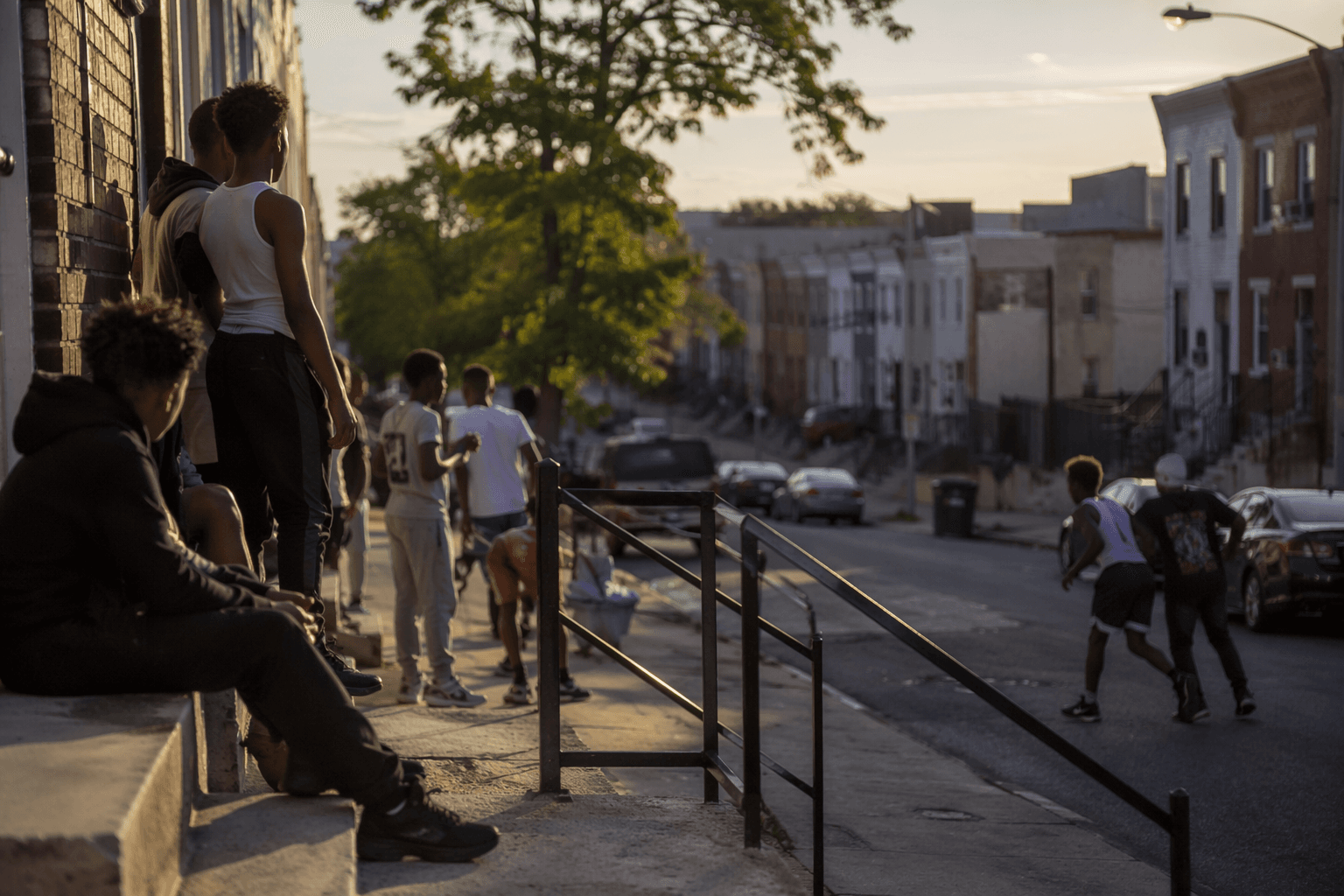
Researchers examined 11 Safe Streets sites in Baltimore from 2007 to 2023, looking at the first 39 months of each site and using the synthetic control method. Five sites showed estimated reductions in youth homicides ranging from 37% to 100%, while two sites showed estimated increases of 46% and 89%. Seven of the 11 sites also showed estimated drops in youth nonfatal shootings ranging from 27% to 75%.
The findings were published online May 12, 2026, in Injury Prevention. They matter because Safe Streets is not just another city program. Baltimore established it in 2007, modeled it on Chicago’s Cure Violence approach, and now runs it in 10 neighborhoods covering 2.6 square miles. In 2024, the city reported 1,283 mediations across all ten sites, showing how often trained community messengers were stepping between conflict and retaliation before gunfire followed.
The program’s structure changed in 2022, when Mayor Brandon Scott shifted administration from eight community-based administrators to two partners, LifeBridge Health’s Center for Hope and Catholic Charities of Baltimore. That reorganization, along with the new Johns Hopkins findings, is likely to sharpen debate over whether Baltimore should keep expanding neighborhood-based intervention or concentrate more resources in the sites that are producing the strongest results.
The study also built on earlier Hopkins work. In 2023, Johns Hopkins reported that Safe Streets reduced homicides and nonfatal shootings overall from 2007 to 2022. In September 2024, the university highlighted three sites, Belvedere, Park Heights and Franklin Square, that had each gone more than a year without a homicide.
Penn North has since become another benchmark. Baltimore announced on May 26, 2026, that the site had gone 368 days without a homicide, with the last killing in that catchment area recorded on May 23, 2025. Taken together, the studies and milestones suggested that Safe Streets has delivered real gains in some neighborhoods, even as other sites continue to struggle and the city weighs where prevention dollars can do the most good.
This article was produced by Prism’s automated news system from verified source data, official records, and press releases, then run through automated quality and moderation checks before publishing. The system is built and supervised by the people who set the standards it runs under. Read our full AI policy.
Did this article answer your question?


