Juror misconduct forces mistrial in Baltimore City Family Dollar murder case
A juror’s outside research wiped out a Family Dollar murder trial in Baltimore, forcing a restart and delaying a verdict for Bryant Breland’s family.
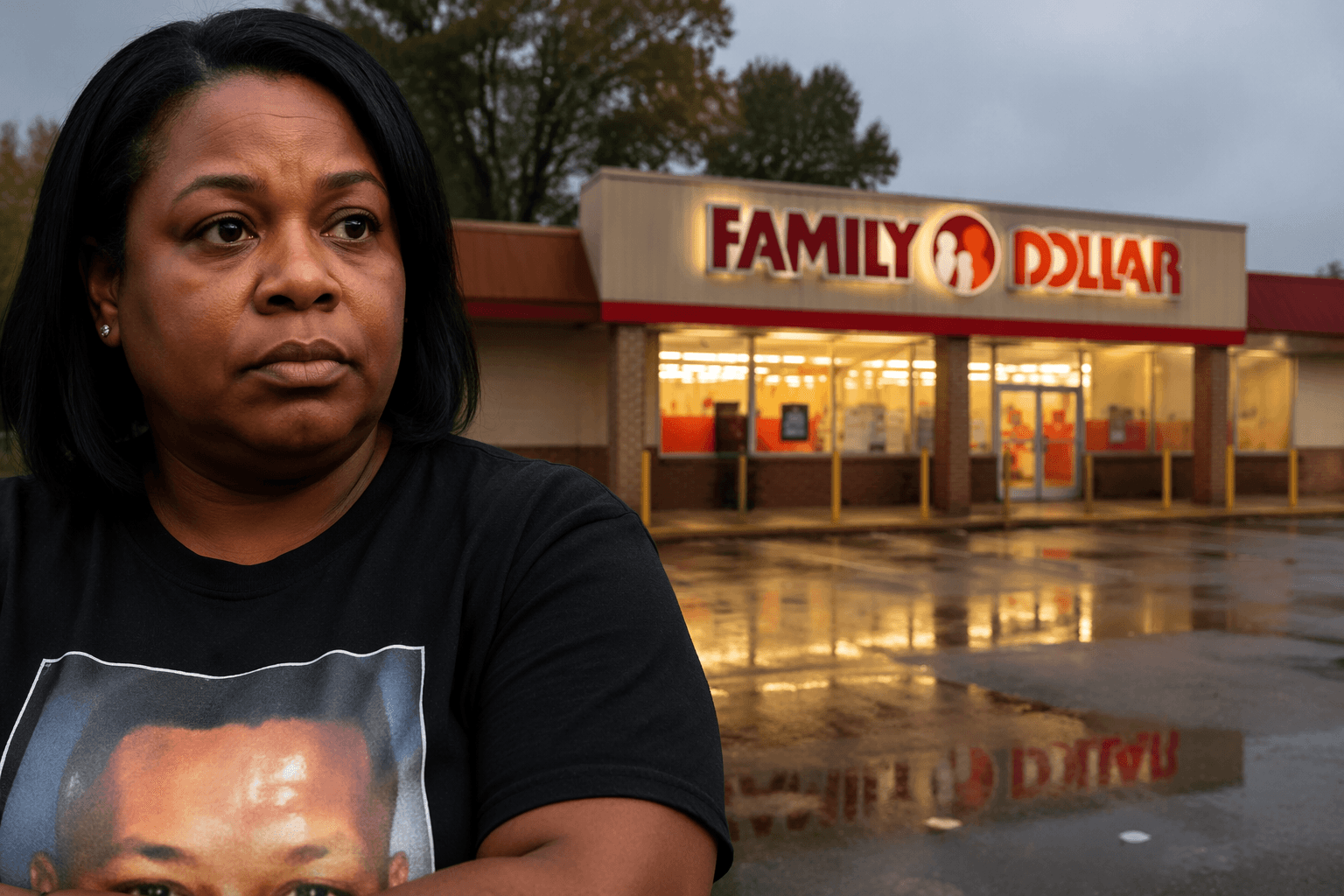
A juror’s outside research forced Baltimore City Circuit Court Judge Jeannie J. Hong to stop a Family Dollar murder trial and declare a mistrial at the Clarence M. Mitchell Courthouse, a blunt reminder that one juror’s shortcut can undo days of work and shake confidence in Baltimore’s courts.
The case involves Braxton Day, 40, who was charged in the fatal shooting of Bryant Breland, 42, outside a Family Dollar store on the 600 block of Cherry Hill Road. Baltimore Police said a Southern District officer was on patrol and doing business checks when officers heard discharging in the area at about 9:59 a.m. on May 31, 2025.

The mistrial came after the court learned at least one juror had gone beyond the evidence presented in court and looked up the case independently. The same juror also told fellow jurors, “The defendant is cooked.” That remark, and the undisclosed research behind it, was enough for Judge Hong to end the proceeding and start over with a fresh panel.
For Breland’s family, the ruling delayed any verdict in a homicide case tied to a South Baltimore block where the shooting happened in broad daylight. For Day, it meant another reset in a case that had already seen a plea offer rejected on June 15, when he chose to proceed to trial instead of resolve the charges before Judge Hong.
The retrial also carried a practical cost for Baltimore City. A mistrial means the court, prosecutors, defense lawyers and witnesses must return to square one, with jurors selected again, opening statements repeated and testimony restarted. Baltimore Witness reported that a new jury was selected the same day the mistrial was declared, and the case moved forward again on June 17.
Day had been facing charges that included manslaughter, firearm use in a violent crime, having a handgun on his person and possession of a firearm without a serial number. The episode fits a long-recognized problem in Maryland law, where appellate courts have treated juror outside research as serious misconduct that can justify a mistrial or a new trial. In a city that has seen too many homicide cases move slowly through the system, a single juror’s decision to go off-script can reverberate far beyond one courtroom.
This article was produced by Prism’s automated news system from verified source data, official records, and press releases, then run through automated quality and moderation checks before publishing. The system is built and supervised by the people who set the standards it runs under. Read our full AI policy.
Did this article answer your question?