Major State Union Rejects Contract as Budget Talks Loom
AFSCME Council 3, the largest union representing Maryland state employees, rejected a proposed contract from the Moore administration on January 5, 2026, meaning negotiators missed the customary December 31 deadline for annual pay agreements. The impasse leaves pay, staffing and job security questions unresolved heading into the 2026 legislative session, with direct implications for state services and city residents who rely on state workers in Baltimore.
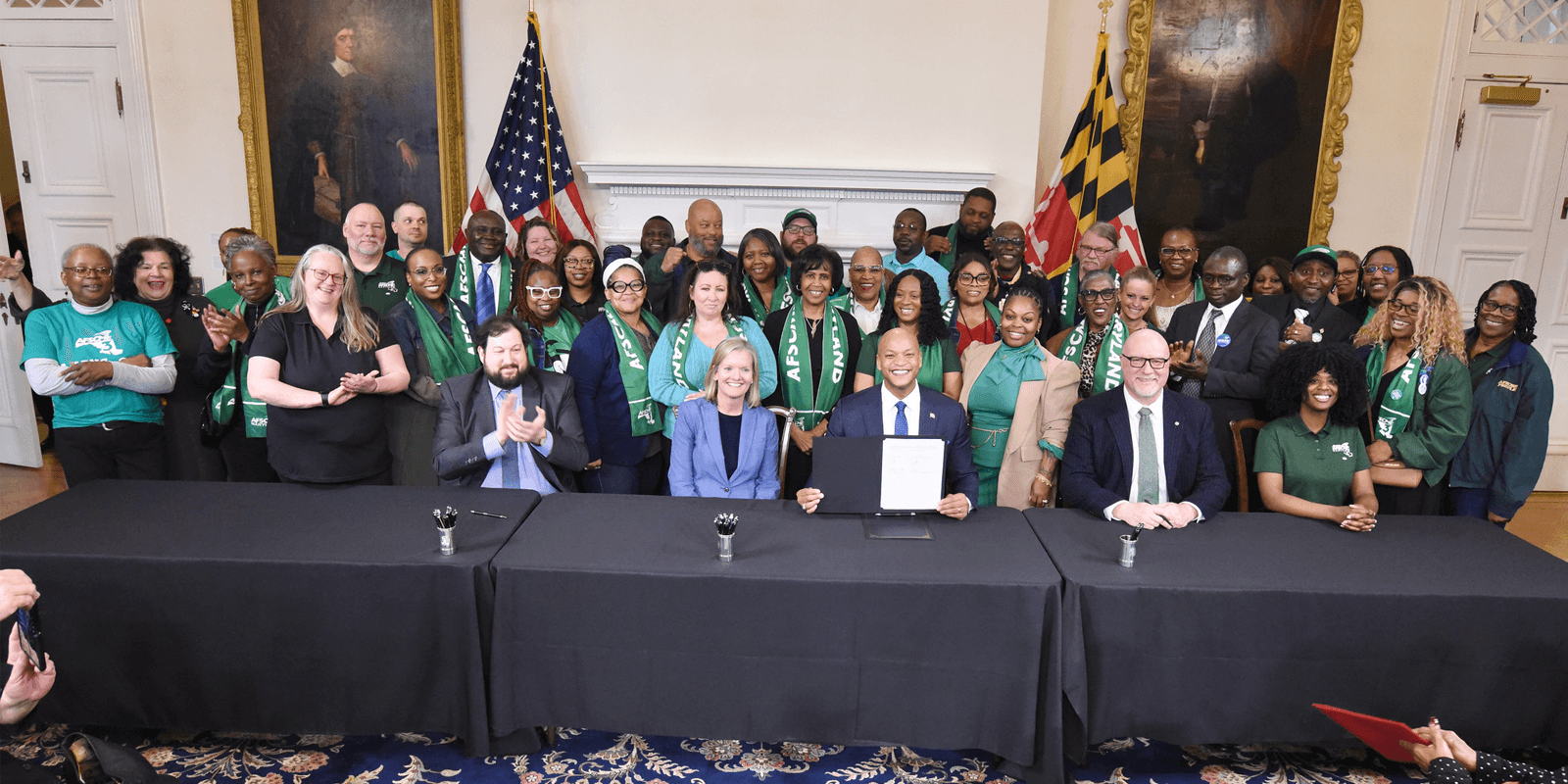
AFSCME Council 3 declined a contract proposal from the state on January 5, 2026, signaling a significant standoff over public-worker pay and protections as lawmakers prepare to convene. The decision broke the usual rhythm of resolving annual compensation packages by the December 31 customary deadline, shifting a key bargaining fight into the 2026 legislative session and heightening pressure on state budget choices.
The Moore administration reported it had reached separate agreements with six other state employee unions that provide roughly a 2 percent average pay increase for more than 11,000 state workers, at an estimated cost of about $37 million. AFSCME said that offer would not keep pace with inflation and pressed for larger raises, stronger job security provisions and revenue-raising proposals it says could fund better increases. Those additional demands remain on the table as negotiators head into a season when lawmakers weigh budget priorities.
For Baltimore residents the dispute matters beyond headline numbers. State employees perform essential functions in the city, including staffing courts and correctional facilities, delivering public health and social services, and maintaining regulatory operations. Continued uncertainty over pay and staffing can affect employee morale, recruitment and retention, and the day-to-day reliability of services Baltimoreans depend on. Local economies also feel ripple effects when thousands of public workers face constrained pay growth.
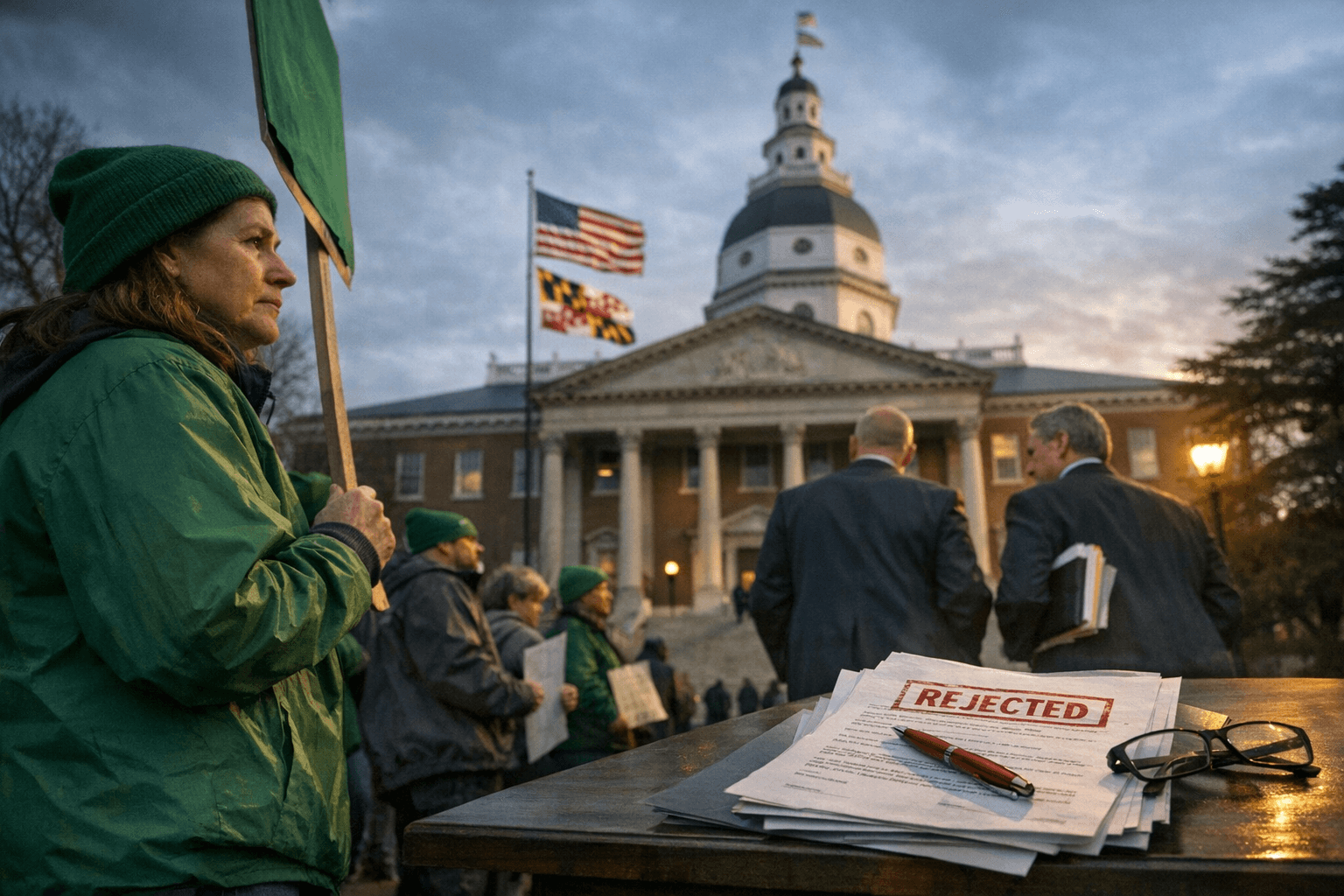
Institutionally, missing the customary deadline complicates how those costs are folded into the governor’s proposed budget and the General Assembly’s deliberations. Budget writers already face broader fiscal pressures and a noted structural gap in the state budget, constraining options for larger across-the-board raises without new revenue or spending adjustments. The administration’s partial agreements with other unions illustrate a strategy of piecemeal settlements that contain near-term costs but leave the largest union’s demands unresolved.
As the 2026 legislative session begins, Baltimore’s state legislative delegation will confront competing demands: pressure to secure adequate compensation for public workers, concerns about fiscal discipline, and constituent expectations for uninterrupted services. The outcome will shape staffing levels, compensation trajectories and the balance of budgetary choices in the months ahead. Negotiations that resume in Annapolis will determine whether the unresolved issues remain a fixed-budget problem or prompt lawmakers to consider revenue options and statutory changes that affect workers and taxpayers across the city and state.
This article was produced by Prism’s automated news system from verified source data, official records, and press releases, then run through automated quality and moderation checks before publishing. The system is built and supervised by the people who set the standards it runs under. Read our full AI policy.
Did this article answer your question?