Maryland commission moves to redraw congressional maps, raising local stakes
Maryland’s bipartisan redistricting commission recommended on December 18 that the state proceed with a plan to redraw congressional districts, a move that could increase Democratic competitiveness in several seats. With candidate filing deadlines looming in early 2026, the proposal has sparked political friction, legal questions, and uncertainty for Baltimore voters and would be decided as the commission solicits public map submissions.
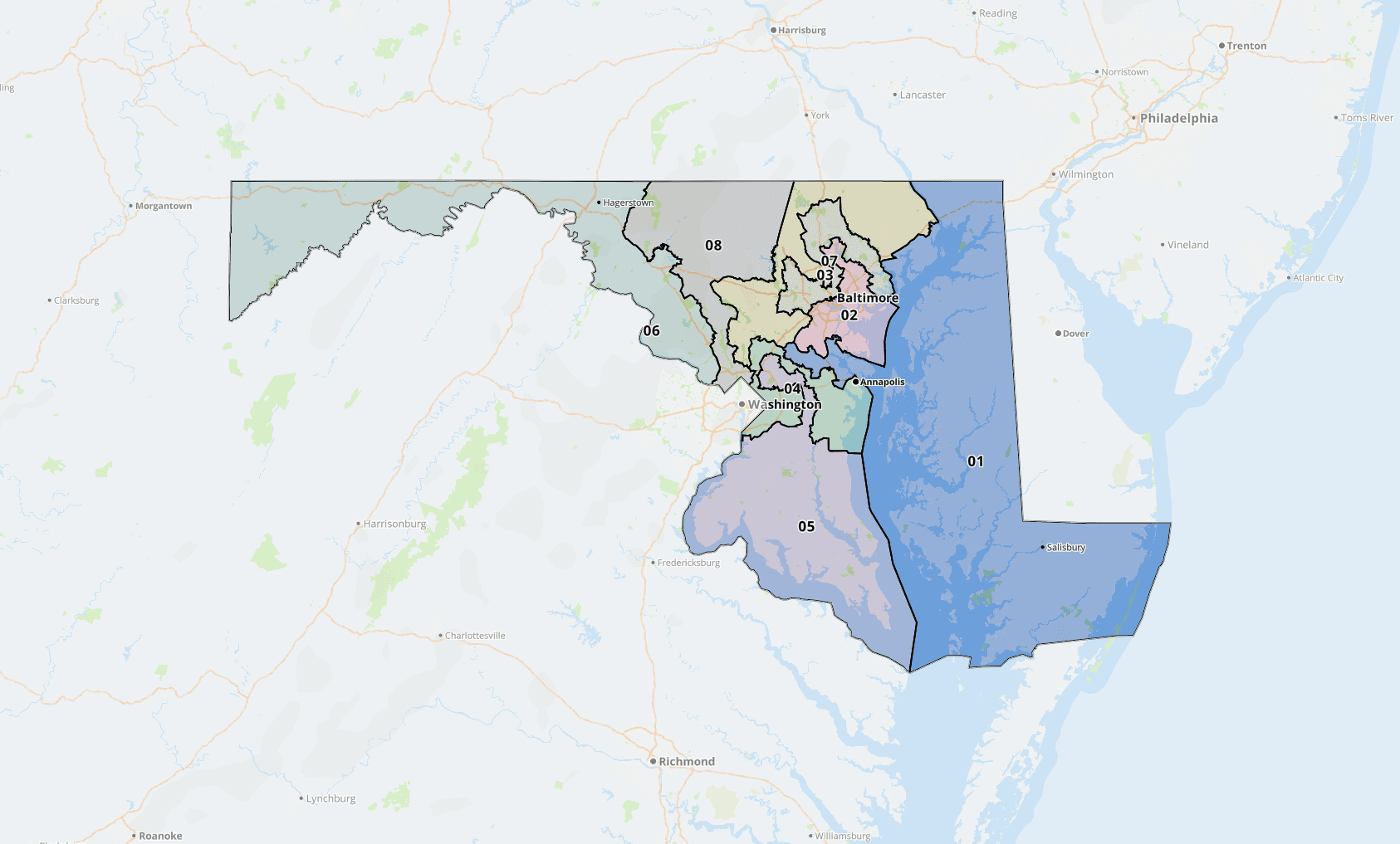
Maryland’s redistricting commission recommended on December 18 that the state move forward with a plan to redraw its congressional districts, setting off a heated political debate that reaches into Baltimore City neighborhoods. The proposed changes, as described by the commission, could make several districts more competitive for Democratic challengers, a prospect that Democrats welcomed and that Republicans called partisan politics.
The recommendation quickly exposed divisions within Democratic ranks. Governor Wes Moore and national party leaders signaled support for reconfiguring the maps to reflect demographic shifts and voting patterns, while Senate President Bill Ferguson warned that pursuing redistricting in the middle of the decade carries legal risks and could provoke court challenges that ultimately backfire. Republicans argued the effort is a partisan maneuver and have signaled they will contest any maps they view as unfair.
Timing is central to the controversy. Candidate filing deadlines are scheduled for early 2026, leaving lawmakers and election officials little time to approve new boundaries, resolve legal disputes, and prepare ballots. The commission is currently soliciting public map submissions before issuing a final recommendation, a step that gives community groups, local elected officials, and individual residents an opportunity to influence the process even as the calendar tightens.
For Baltimore, potential changes could reshape representation in Congress and alter the political leverage available to city leaders who seek federal funding for housing, transit, public safety, and health care. More competitive districts could draw greater national attention and campaign resources to city neighborhoods, while court delays or last minute map changes could confuse voters and complicate outreach by candidates and civic organizations.

Beyond the immediate electoral calculus, the debate echoes broader national concerns about how mapmaking affects democratic representation and trust in institutions. Legal experts say mid cycle redistricting invites litigation that can stall implementation, and political strategists note that even the suggestion of new boundaries can reshape campaign strategy and fundraising.
As the commission prepares a final recommendation and public submissions continue, Baltimore residents face weeks of uncertainty. City officials, community groups, and prospective candidates will be watching the legislature for action that could determine who represents Baltimore in Congress for years to come.
Know something we missed? Have a correction or additional information?
Submit a Tip