Maryland Commission Urges Reparations for Lynching Victims' Descendants
A state-appointed commission concluded Maryland officials and institutions were complicit in 38 documented lynchings and sustained racial terror from 1854 to 1933, and recommended direct reparations and broad policy reforms. For Baltimore residents, the report signals potential fiscal, educational and commemorative changes as lawmakers weigh whether to translate the 630-page findings into law.

A six-year inquiry by Maryland’s Lynching Truth and Reconciliation Commission found that state leaders, law enforcement, judges and media enabled 38 documented lynchings and the prolonged racial terror that followed the Civil War. The commission released a 630-page report that concluded truth-telling must be followed by tangible remedies, and it laid out a package of monetary payments, policy changes and symbolic measures aimed at addressing harms across the state.
The commission recommended $100,000 for each identified surviving descendant of a lynching victim and $10,000 for descendants of people who lived in terrorized communities. Beyond direct payments, the report proposed 84 policy actions organized into nine categories. Those recommendations range from strengthening due-process protections and expanding educational initiatives to symbolic remedies such as memorials and official apologies.
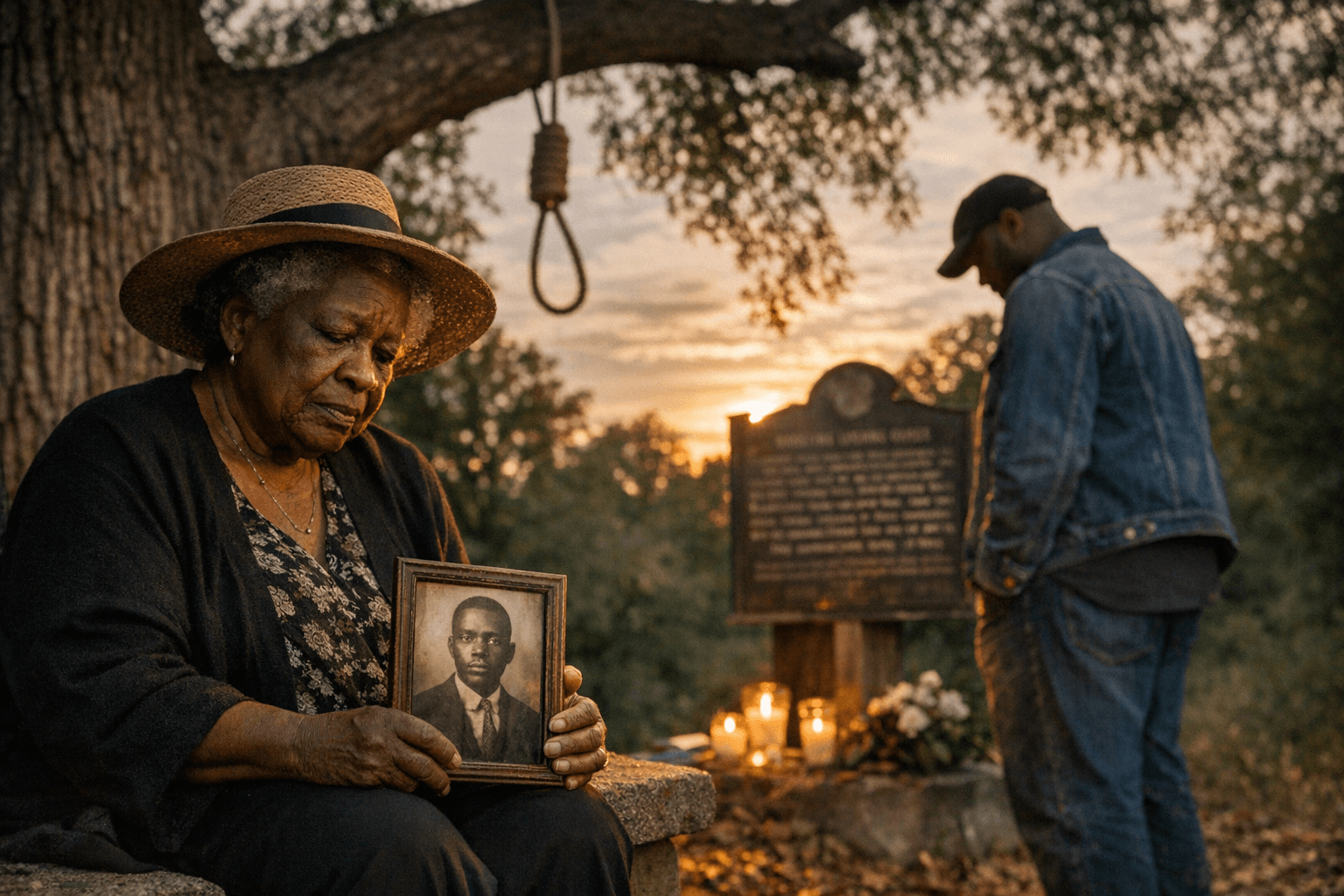
The document covers lynchings from 1854 through 1933 and frames the work as a statewide reckoning with institutional complicity. The commission positioned its findings as the first stage in a process; elected officials would determine how and whether to implement the reparative measures. The governor’s office said it would review the report, and legislative leaders signaled they would consider proposals as the General Assembly convenes this session.
For Baltimore residents the report has multiple immediate implications. Families tracing lineage to victims or to neighborhoods terrorized by mob violence may now see a formal pathway for recognition and compensation, though identifying eligible descendants will be complex. City schools and cultural institutions could see new expectations to incorporate the commission’s history and recommendations into curricula and public programming. Proposals for memorials and official apologies raise questions about where commemorations would be sited and how local officials would partner with state agencies.
Translating the commission’s recommendations into law involves legal and fiscal hurdles: appropriations, legislative votes, and detailed criteria for eligibility will be necessary before payments or programs can begin. The report also contributes to a broader national conversation about reparations and institutional accountability, situating Maryland alongside other jurisdictions confronting historical racial violence.
As the General Assembly begins its work, Baltimore’s leaders, community organizations and residents will be watching how state policymakers balance acknowledgment, restitution and the practical steps needed to implement an unusually detailed set of reparative proposals.
This article was produced by Prism’s automated news system from verified source data, official records, and press releases, then run through automated quality and moderation checks before publishing. The system is built and supervised by the people who set the standards it runs under. Read our full AI policy.
Did this article answer your question?