Maryland eyes July special session on redistricting after court ruling
Baltimore could be caught in a new congressional map fight as lawmakers weigh a July special session, but voters would first have to approve a constitutional fix.
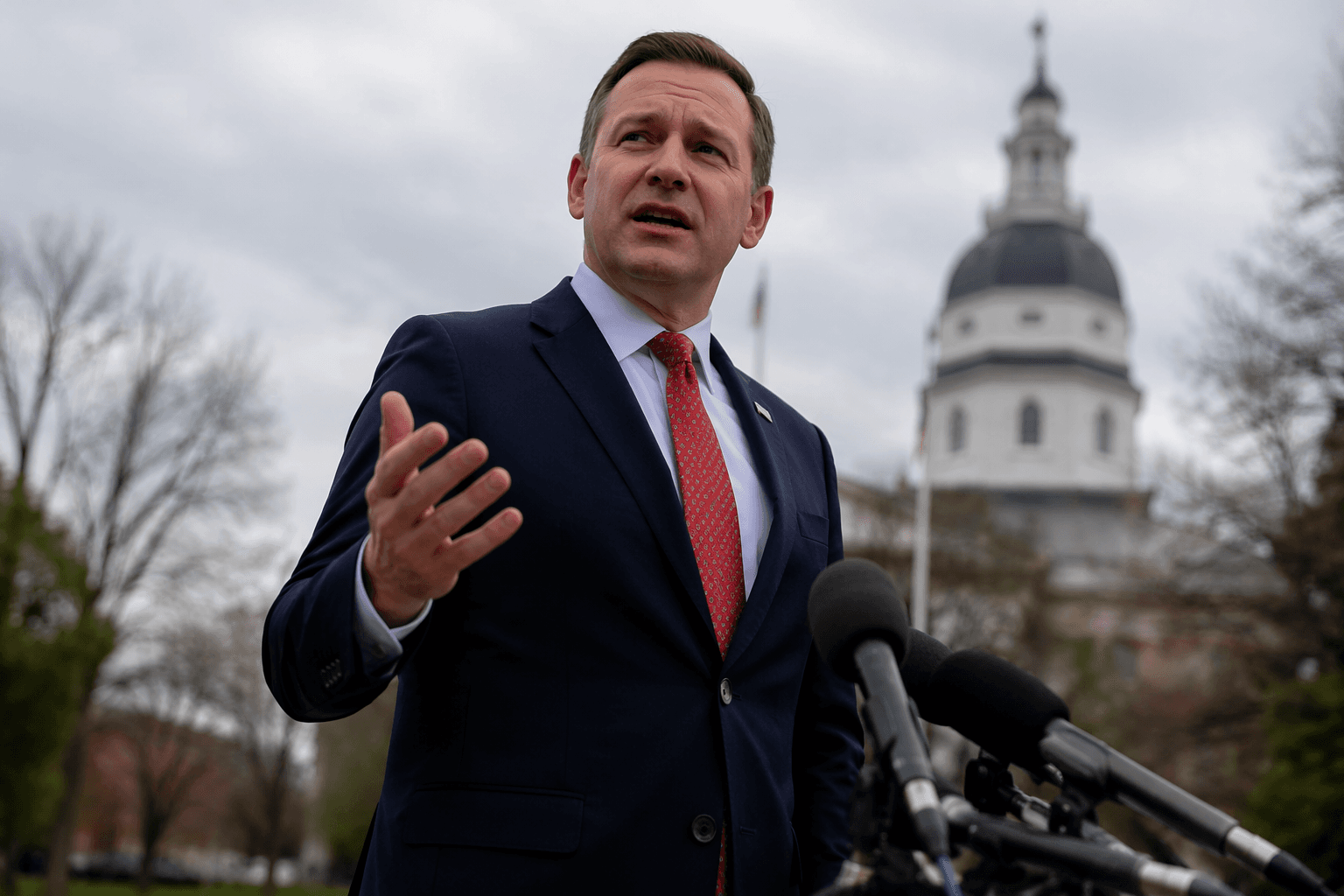
Baltimore’s influence in Congress could be reshaped if Maryland lawmakers move ahead with a July special session on redistricting, because Senate President Bill Ferguson, a Baltimore City Democrat, has said any new map would first have to clear a constitutional hurdle. Ferguson has said the U.S. Supreme Court’s April 29 ruling changed the calculus, and he is now discussing a constitutional amendment that would let the state adopt a new congressional map.
For Baltimore voters, the real question is whether city neighborhoods are kept together or spread across more districts. A map that concentrates Baltimore’s Democratic voters could strengthen the city’s voice in one seat, while a map that divides those voters could make their influence thinner across several districts, even if it gives more lawmakers a reason to pay attention to city issues.
The fight has been building since Maryland’s 2026 legislative session ended without a final vote on redistricting. House Democrats had advanced a map that could have given them an 8-0 advantage in the state’s U.S. House delegation, but it stalled in the Senate. Maryland now has seven Democratic House seats and one Republican seat, so any change would affect how much power Baltimore and the rest of the state bring to the table in Washington.
The push also comes after outside pressure intensified. U.S. House Minority Leader Hakeem Jeffries made a surprise visit to Annapolis on February 18, 2026, but he did not persuade Ferguson to bring the issue to a vote. Ferguson later said “the rules have changed” after what he described as the Supreme Court’s weakening of the Voting Rights Act, and he has tied the redistricting debate to that shift in federal law.
Maryland has been through this before. In March 2022, Senior Judge Lynne A. Battaglia struck down the state’s 2021 congressional map as an unconstitutional partisan gerrymander, forcing lawmakers to redraw the lines for the 2022 election. That history is why the current push is not just about partisan advantage, but about whether Baltimore voters will be bundled, split or given more coherent representation in the next congressional map.
If leaders move forward, the amendment would ask Maryland voters to approve the legal change needed before lawmakers could redraw congressional districts. Until that happens, a new map before the 2026 election remains unlikely, and Baltimore’s political weight would stay tied to the lines already in place.
This article was produced by Prism’s automated news system from verified source data, official records, and press releases, then run through automated quality and moderation checks before publishing. The system is built and supervised by the people who set the standards it runs under. Read our full AI policy.
Know something we missed? Have a correction or additional information?
Submit a Tip