Maryland Faces 90,000-100,000 Unit Shortfall as State Weighs Solutions
As of January 1, 2026, Maryland confronted an estimated shortfall of roughly 90,000 to 100,000 affordable housing units, a gap that state leaders, housing authorities and tenant advocates agree must be closed. The debate heading into the 2026 session centers on how to boost production while protecting renters, stretching limited federal dollars and directing resources to priority areas including Baltimore City.

Maryland entered 2026 with a stark housing gap that threatens to deepen affordability pressures across the state and within Baltimore City. Estimates place the deficit of affordable units at roughly 90,000 to 100,000, a shortfall that advocates, renters' groups and state officials uniformly say requires an immediate policy response even as they differ over how to design that response.
At the center of policy conversations are four state-level approaches under consideration for 2026: increasing targeted funding for affordable housing production, streamlining development approvals to accelerate project timelines, adopting targeted tenant protections to reduce displacement risk, and leveraging state and federal resources to maximize impact. Support for greater production is widespread, but consensus fractures on the balance between tenant safeguards and development incentives, and on the level of public subsidy appropriate to spur private-sector building.
Limited federal resources and the prospect of federal budget cuts complicate Maryland's options. Several stakeholders warned that relying on federal dollars will not be sufficient, making state budget choices and the efficient use of existing programs critical. Advocates and housing authorities emphasized the need to align state incentives with local priorities to ensure projects move from planning to delivery, while renters' groups pressed for protections that preserve affordability for existing residents as new development proceeds.
Baltimore City is a focal point in this set of decisions. State officials and local housing authorities identified the city as a priority for interventions and funding, reflecting concentrated need and the potential for targeted investments to produce measurable relief. For Baltimore residents, the policy trajectory matters in practical terms: expedited approvals could speed construction of new affordable units, while inadequate tenant protections or insufficient subsidy could leave low- and moderate-income households vulnerable to displacement and housing instability.
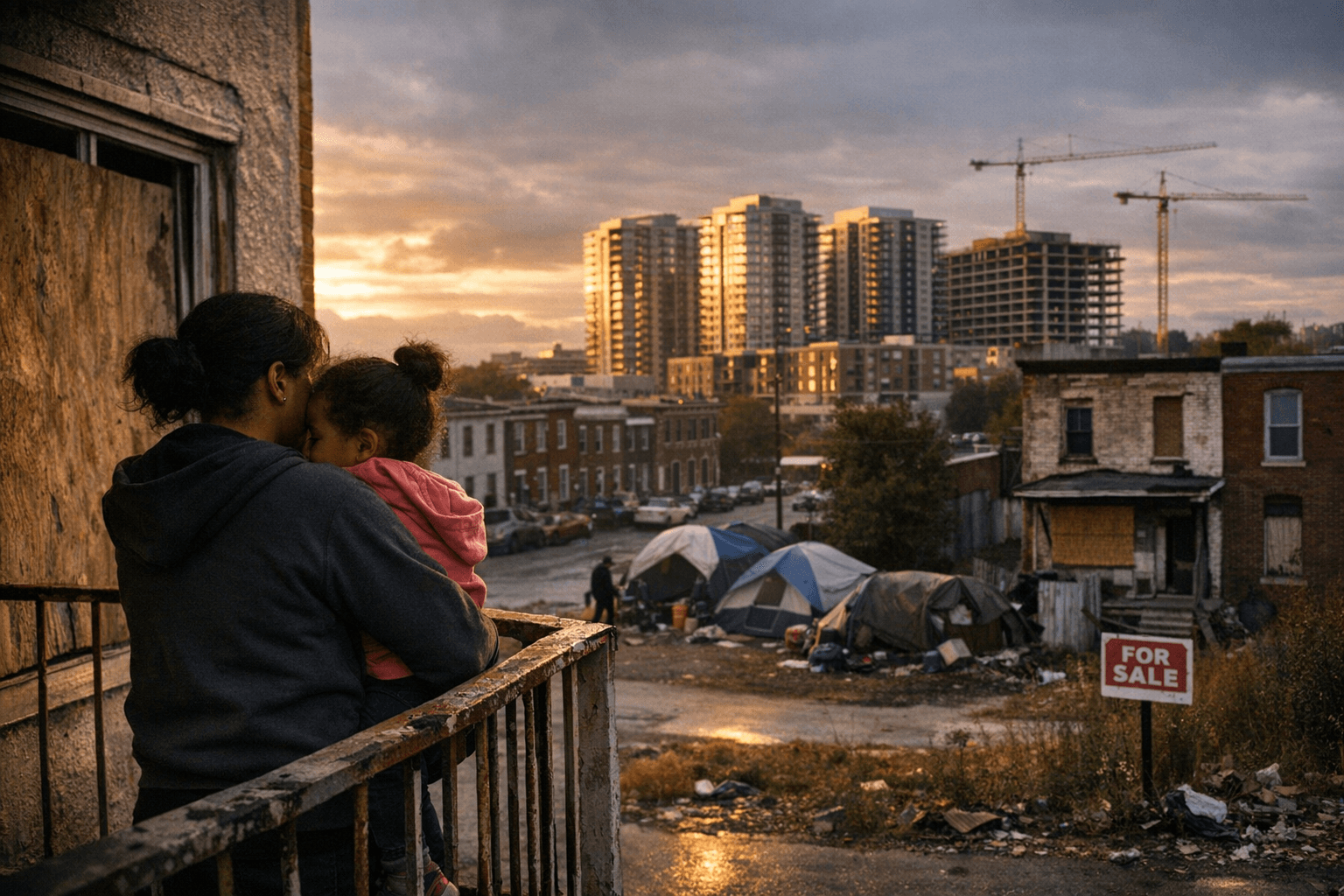
Implementation choices carry tradeoffs. Streamlining approvals may reduce delays and lower development costs, but critics caution it could weaken community input or oversight unless paired with clear standards for affordability and tenant rights. Expanding subsidies can increase production, but without sustainable revenue sources and coordination with federal programs the scale of the shortfall will remain difficult to close.
Policymakers face a compressed agenda in 2026: align funding streams, reconcile competing priorities between production and protection, and target interventions where they will do the most good, notably in Baltimore City. Residents, housing providers and local officials will be watching how the state balances incentives and safeguards, and whether new measures translate into visible housing relief in the year ahead.
This article was produced by Prism’s automated news system from verified source data, official records, and press releases, then run through automated quality and moderation checks before publishing. The system is built and supervised by the people who set the standards it runs under. Read our full AI policy.
Did this article answer your question?