Maryland Legislature Passes Long-Awaited Youth Justice Reform After Decade of Advocacy
More than 1,000 Maryland teens were charged as adults last year; now the Youth Charging Reform Act heads to Gov. Wes Moore's desk after 14 years of advocacy.
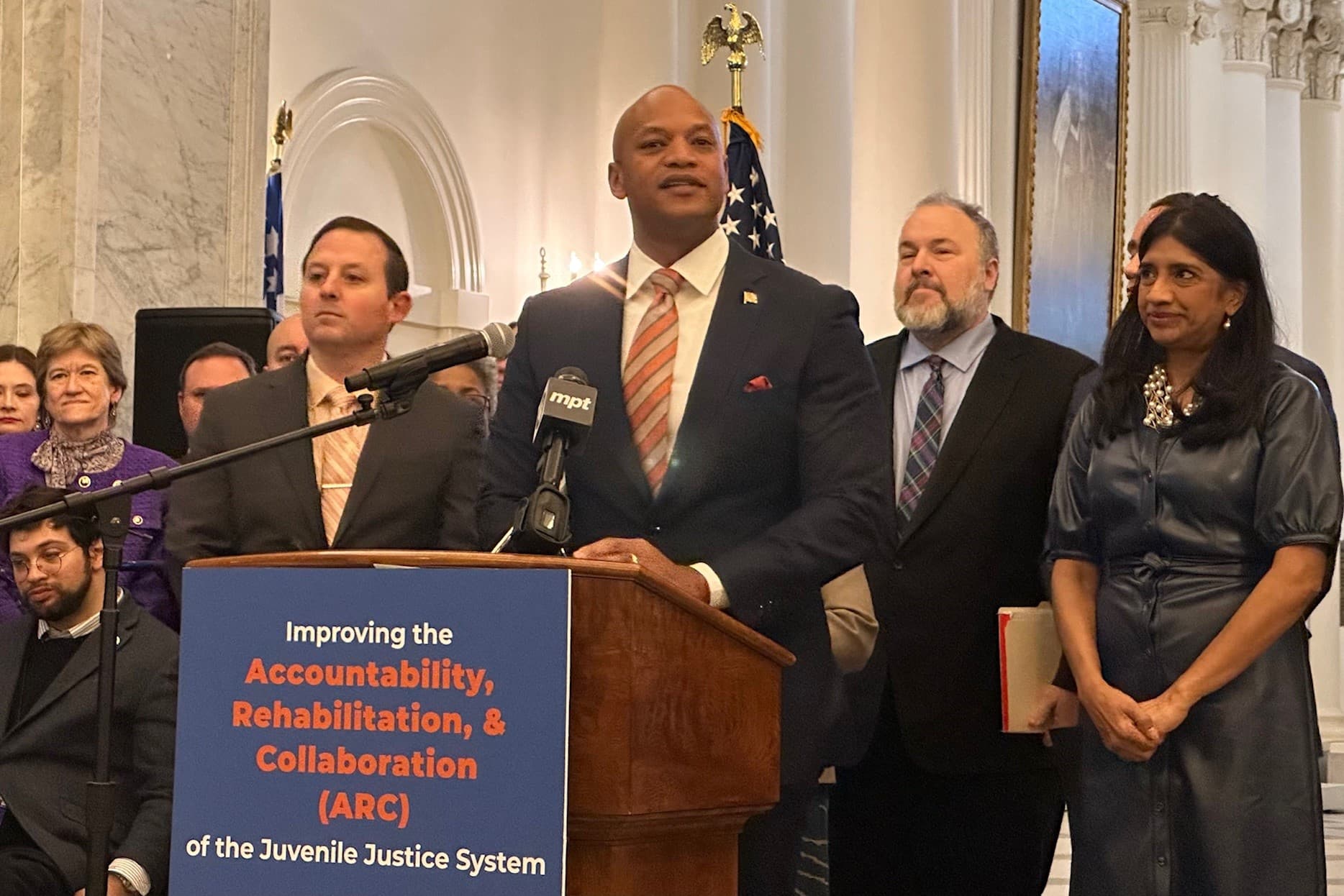
More than 1,000 Maryland teenagers were charged as adults in 2025 alone, and in 55% of those cases a judge later sent them back to juvenile court anyway. After 14 years of failed attempts in Annapolis, the General Assembly passed the Youth Charging Reform Act this week, putting a bill on Gov. Wes Moore's desk that reshapes what happens to a Baltimore City teenager from the moment of arrest.
For families trying to understand what changes, the shift is clearest at the intake stage. Under current law, a 16- or 17-year-old accused of first-degree assault, a charge that includes many school-based fights, is automatically funneled into the adult system, sometimes held for months in an adult facility while awaiting a judicial transfer. Under the new law, those cases start in juvenile court. Prosecutors can still petition a judge to move a case to adult court, but the default no longer punishes a teenager before anyone has reviewed the facts. That shift also reopens the door to diversion, allowing Department of Juvenile Services intake workers to assess whether a student can return to class rather than enter detention at all.
The House of Delegates passed the bill 92-39 on Monday, accepting without amendment the version the Senate passed in March by a 34-12 margin. The legislation removes first-degree assault and several handgun offenses from a list of 33 charges that currently trigger automatic adult prosecution for 16- and 17-year-olds. The most serious offenses, including murder, armed robbery, and carjacking, remain on that list. The bill also prohibits the housing of minors in adult facilities beginning in October 2029, a provision that advocates say will end the isolation conditions that have separated teenagers from education and mental health services for up to 900 days at a time.
Maryland Public Defender Natasha Dartigue, whose office handles a substantial share of Baltimore's juvenile cases, called the vote an incremental but real gain. "Every step forward is movement forward," Dartigue said.
The reform is a product of hard compromise. The original bill sought to strip far more offenses from the auto-charge list. The final version removes only five of the 33 qualifying crimes. Baltimore State's Attorney Ivan Bates opposed the legislation, arguing that the Department of Juvenile Services lacks the capacity to absorb a new population of teenagers needing services and programming.
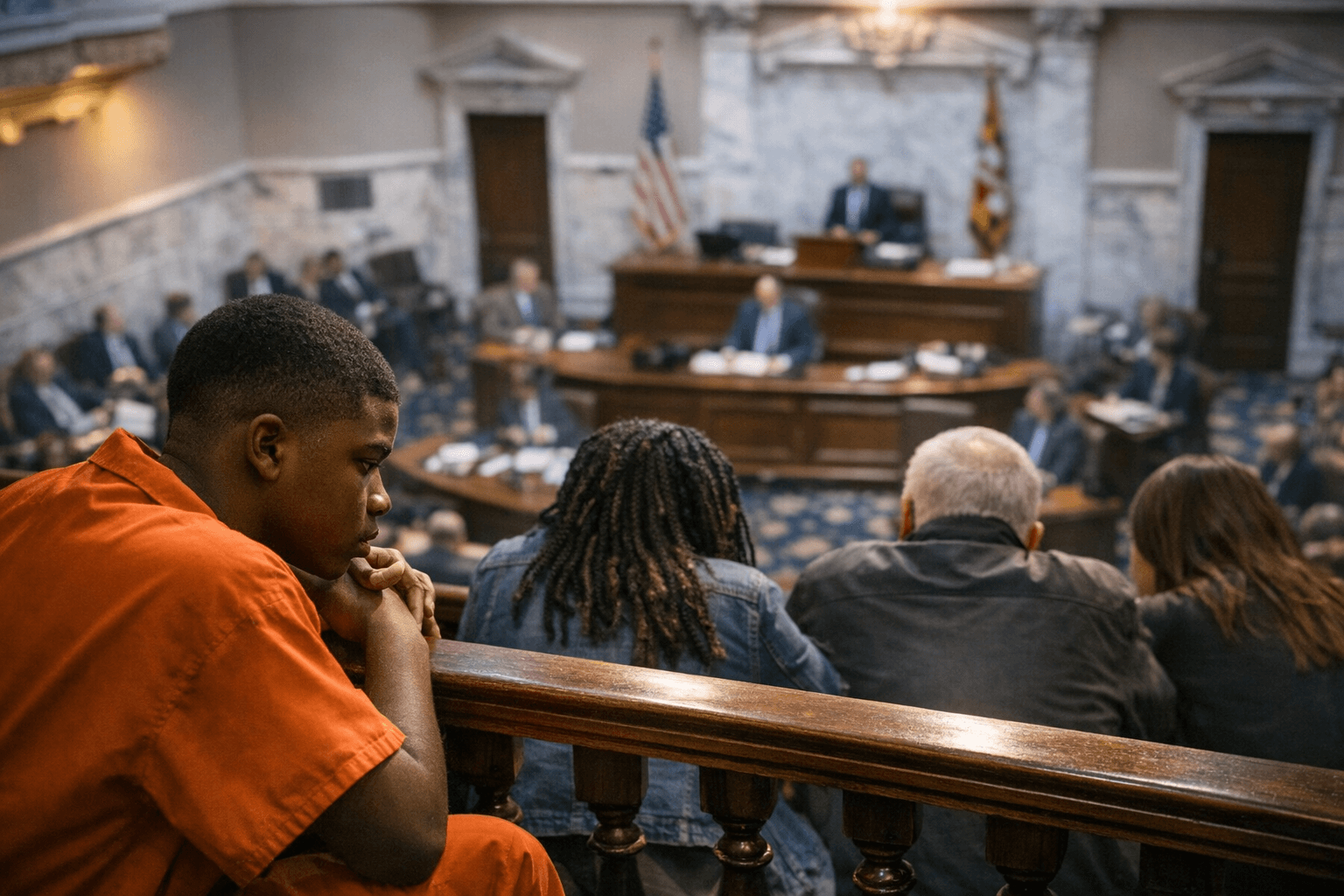
Leaders of a Beautiful Struggle, the Baltimore-based Black political think tank, and the ROAR Center at the University of Maryland, Baltimore were among the organizations pressing the legislature to act. Their argument rests on 15 years of data: between 2009 and 2024, more than 80% of Maryland youth charged as adults were Black, even though Black youth make up less than one-third of the state's youth population. Maryland charges more children as adults per capita than every state except Alabama.
Senate sponsor Will Smith, chair of the Senate Judicial Proceedings Committee, opened his testimony this session with a photograph of children incarcerated at the House of Reformation and Instruction for Colored Children, a segregated Cheltenham facility where more than 200 Black boys died between 1870 and 1939. "This is just a smart bill," Smith said.
Del. N. Scott Phillips, a Baltimore County Democrat, called the final product a necessary compromise. "This legislation is about fairness, data, and using our resources where they actually make a difference," Phillips said.
With Moore's signature expected, the Baltimore Youth Detention Center is positioned to take on the additional intake the law creates. Whether the state builds the programming around it fast enough to match that capacity remains the open question reformers will be watching.
This article was produced by Prism’s automated news system from verified source data, official records, and press releases, then run through automated quality and moderation checks before publishing. The system is built and supervised by the people who set the standards it runs under. Read our full AI policy.
Did this article answer your question?