Maryland moves to buy Preakness, Black-Eyed Susan rights for $85 million
Maryland will spend $85 million to keep Preakness brand control in state, betting future race revenue can pay the bonds and protect Pimlico’s rebuild.

Maryland is putting $85 million behind a bid to own the Preakness Stakes and Black-Eyed Susan rights, turning the sport’s most recognizable names into a public asset tied to Pimlico’s future, Laurel Park’s role and Baltimore’s economic stake in the Triple Crown. The state says the deal will not draw from the General Fund; instead, it will be financed through tax-exempt revenue bonds issued by the Maryland Economic Development Corporation and repaid with future race revenue.
The move comes after Churchill Downs announced a definitive agreement in April to acquire the Preakness intellectual property, including trademarks and related rights. Maryland responded by exercising its right of first refusal and matching the $85 million offer, a step Governor Wes Moore framed as part of a larger effort to keep control of an institution that shapes Maryland’s sports identity and economic brand. State officials said ownership would also end the existing exclusive licensing structure, which they said would have kept climbing over time.
That licensing bill was not small. State-backed figures show the prior arrangement required a base payment of $3 million a year, rising 2.5% annually, plus 2% of Preakness weekend handle. With handle around $130 million this year, that would have meant about $5.6 million in one year alone. The state says owning the rights should save money over time while giving Maryland more control over how the race is marketed and how related sponsorship, wagering and ticket revenue are used.
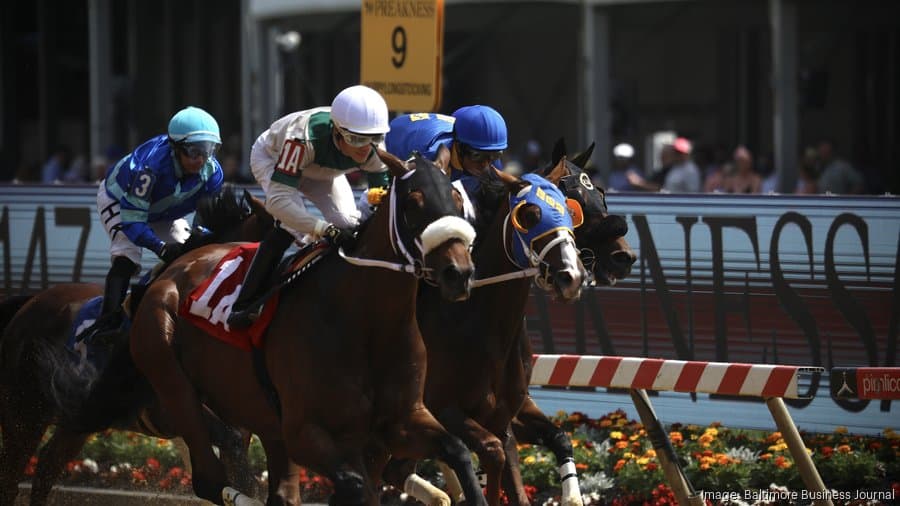
The purchase also lands in the middle of a major racing reset. In 2024, Maryland took ownership of Pimlico Race Course for $1 and leased Laurel Park for $1 a year, with the Preakness rights to be licensed long-term after Preakness 151 in 2026. Maryland then approved a separate $48.5 million deal in April to buy Laurel Park and build it into a statewide training center. Officials say that move could save more than $50 million overall, including $26.3 million in construction costs and $22.5 million through market-led alternatives for the Pimlico site.

For Baltimore, the question is not just whether the Preakness stays local. It is whether public money, redevelopment and racing jobs line up enough to make the city’s long investment in Park Heights and Pimlico pay off. The Maryland Jockey Club says consolidating overnight racing staff at the new training center should cut annual operating expenses by $2.5 million. The Greater Baltimore Committee called the IP acquisition a way to secure a signature Maryland asset and generate tourism, investment, sponsorship, job creation and cultural activity. The Maryland Thoroughbred Horsemen’s Association’s David Richardson called it a “once-in-a-generation opportunity.” Maryland says the Run for the Black-Eyed Susans will return to a reimagined and modernized Pimlico in 2027, and that is now the promise carrying the state’s biggest racing bet.
This article was produced by Prism’s automated news system from verified source data, official records, and press releases, then run through automated quality and moderation checks before publishing. The system is built and supervised by the people who set the standards it runs under. Read our full AI policy.
Did this article answer your question?