Maryland Public Defender's Office Seeks Funding, Sentencing and Search Reforms for Baltimore
Maryland public defender's office sought increased funding and sentencing and search reforms at a Lawyers Mall rally, moves that could affect Baltimore's overburdened defense system.
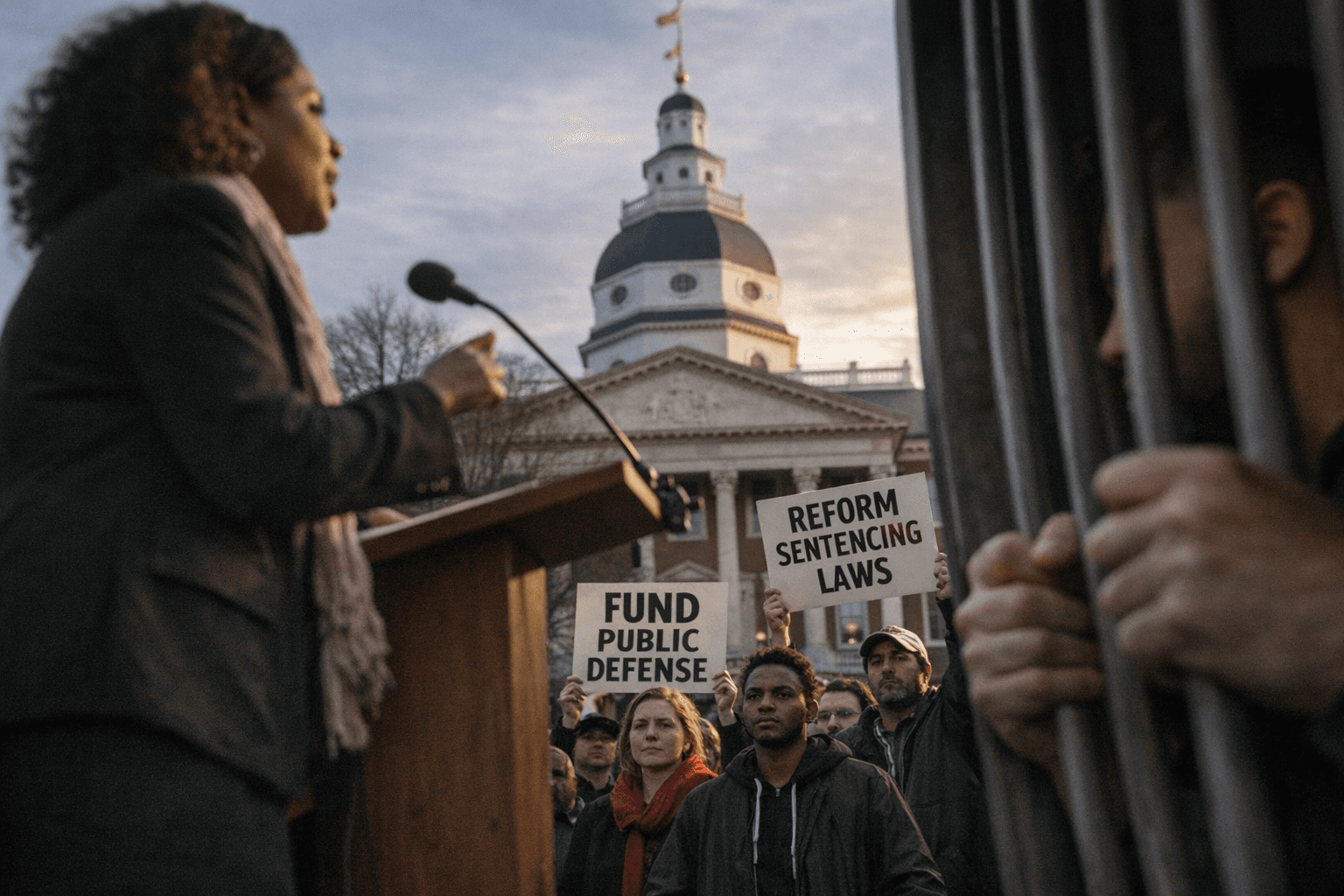
Maryland Public Defender Natasha Dartigue presented a legislative agenda at a Lawyers Mall rally on January 21 that called for increased funding, changes to sentencing and search laws, and policy shifts intended to promote more equitable representation. The initiative places the Public Defender's Office at the center of the 2026 General Assembly's criminal justice debates and highlights pressures facing Baltimore City, where public defender resources and caseloads are acute.
The proposals aim to expand public defense capacity so attorneys can manage heavy dockets, provide more thorough representation, and address disparities in who receives robust legal advocacy. Advocates who gathered at Lawyers Mall also pressed for sentencing reforms that could reduce reliance on incarceration and for revisions to search statutes that would alter how law enforcement conducts stops and searches. Those policy goals feed directly into conversations about pretrial detention, plea bargaining, and racial disparities in Baltimore courts.
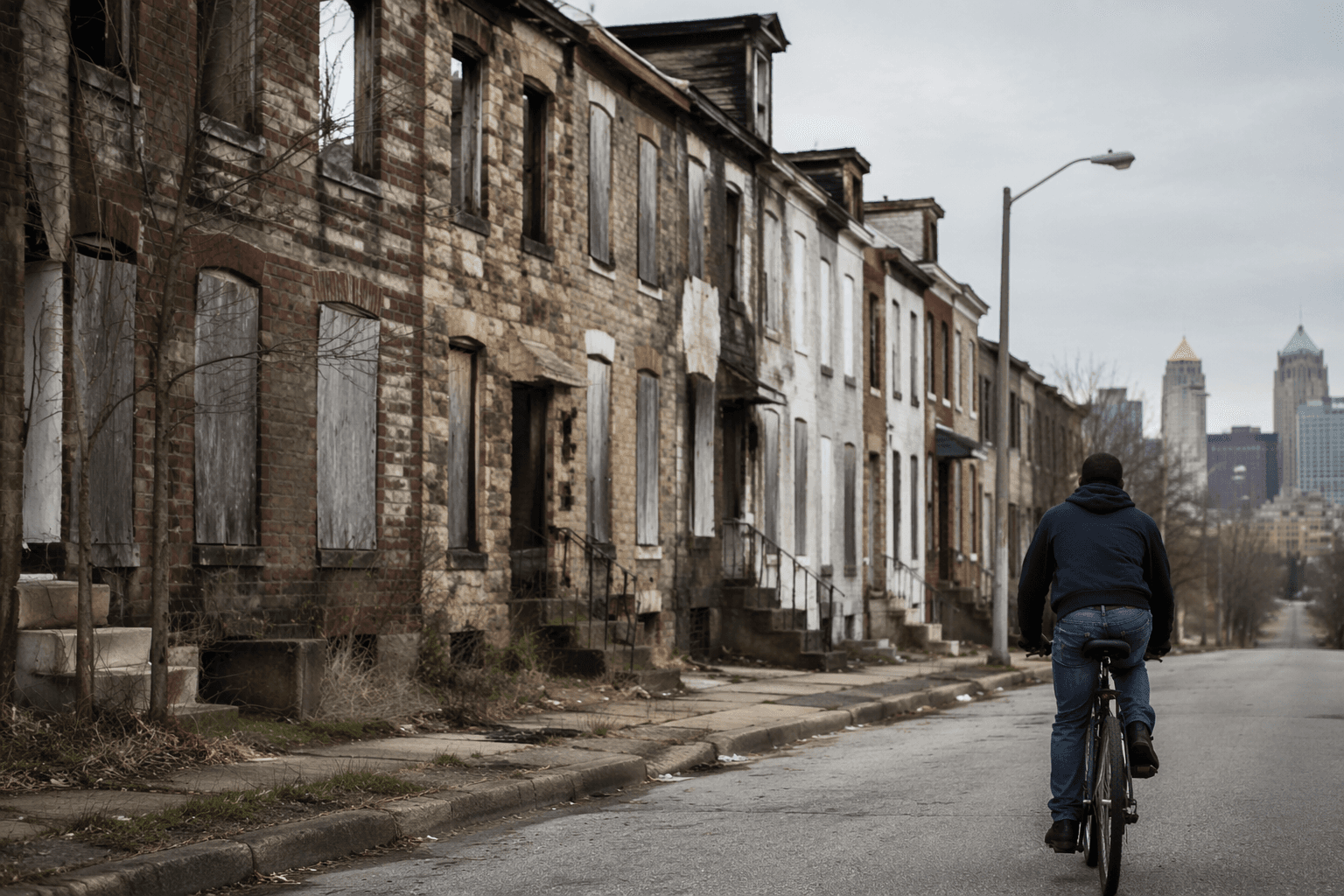
For Baltimore residents, the stakes are practical. A more heavily funded public defense system could shorten case processing times, reduce the backlog of clients who receive limited counsel, and change outcomes in lower-level cases that comprise a large share of city dockets. Changes to sentencing frameworks could decrease local jail populations, while modifications to search laws could affect street policing tactics in neighborhoods already facing high rates of stops and arrests.
The push from the Public Defender's Office comes as Maryland lawmakers consider a suite of criminal justice measures in the 2026 session. Defense advocates have framed their requests as investments in the fairness of the system: hiring more attorneys, providing training and investigative resources, and creating mechanisms to ensure representation does not vary by a defendant's means. Those policy changes would require budgetary commitments and statutory amendments that the General Assembly must weigh against competing legislative priorities.
How these proposals translate into law will depend on committee actions, budget negotiations, and input from prosecutors, law enforcement, and community groups. For Baltimore City officials, the debate also spotlights local budget and staffing decisions that intersect with state funding. Residents and local advocates who want to follow developments should track bill filings and committee hearing schedules once lawmakers begin formal consideration.
This push by the Public Defender's Office signals a broader moment in Maryland criminal justice policymaking: the state must decide whether to invest more heavily in defense capacity and to recalibrate sentencing and search rules that shape everyday policing and court outcomes in Baltimore. The coming weeks of the legislative session will determine whether those proposals move from rally demands to enacted policy.
This article was produced by Prism’s automated news system from verified source data, official records, and press releases, then run through automated quality and moderation checks before publishing. The system is built and supervised by the people who set the standards it runs under. Read our full AI policy.
Did this article answer your question?