Maryland sheriffs sue over ban on ICE cooperation agreements
Maryland sheriffs sued to restore ICE jail agreements, but Baltimore City and Baltimore County stayed out. The case could matter more in booking rooms than on the street.
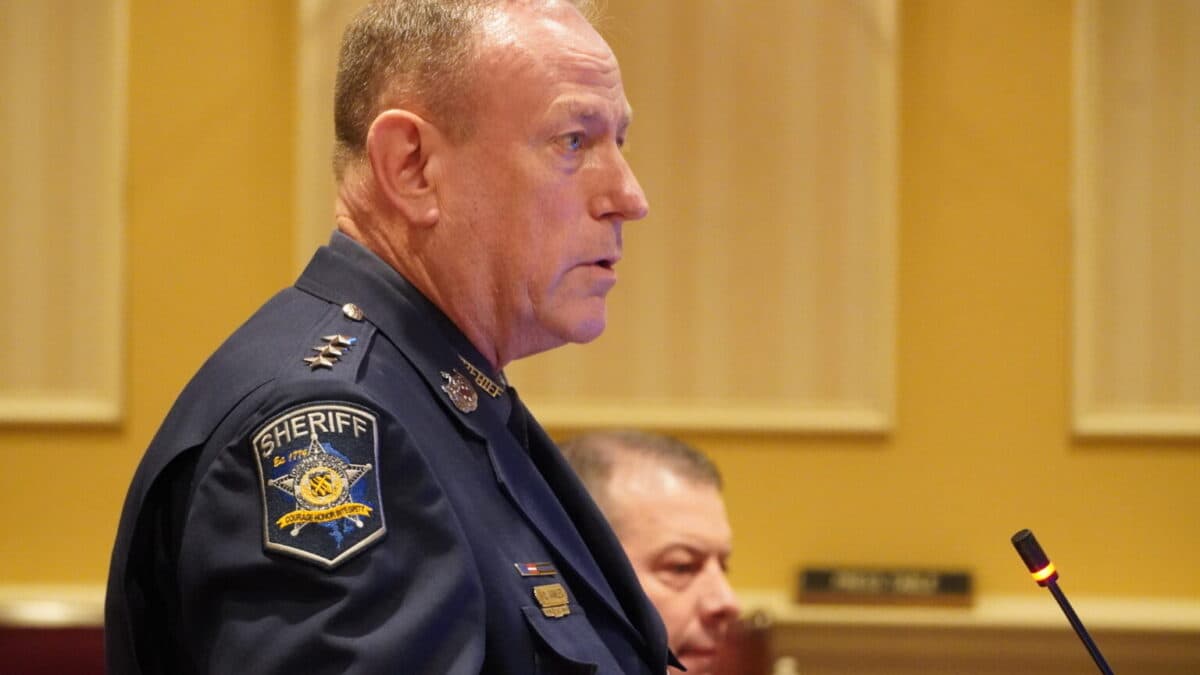
Maryland sheriffs sued in federal court in Greenbelt to overturn Maryland’s ban on 287(g) cooperation agreements with U.S. Immigration and Customs Enforcement, setting up a fight that could affect jail booking practices and immigrant trust in Baltimore more than day-to-day street policing.
The suit was filed by the Federation for American Immigration Reform on behalf of 17 of Maryland’s 24 sheriffs, including sheriffs from Allegany, Calvert, Caroline, Carroll, Cecil, Dorchester, Frederick, Garrett, Harford, Kent, Queen Anne’s, St. Mary’s, Somerset, Talbot, Washington, Wicomico and Worcester counties. Maryland, Gov. Wes Moore and Attorney General Anthony Brown were named as defendants. Baltimore City and Baltimore County did not join the lawsuit.
Moore signed emergency legislation in February 2026 banning the agreements and giving the nine counties that had them 90 days to end them. Those counties were Allegany, Carroll, Cecil, Frederick, Harford, Garrett, St. Mary’s, Washington and Wicomico. By the time the lawsuit was filed, eight counties had dropped the agreements and the ninth said the agreement would no longer be enforced, making the courtroom battle as much about symbolism and future power as about an active county-by-county system.
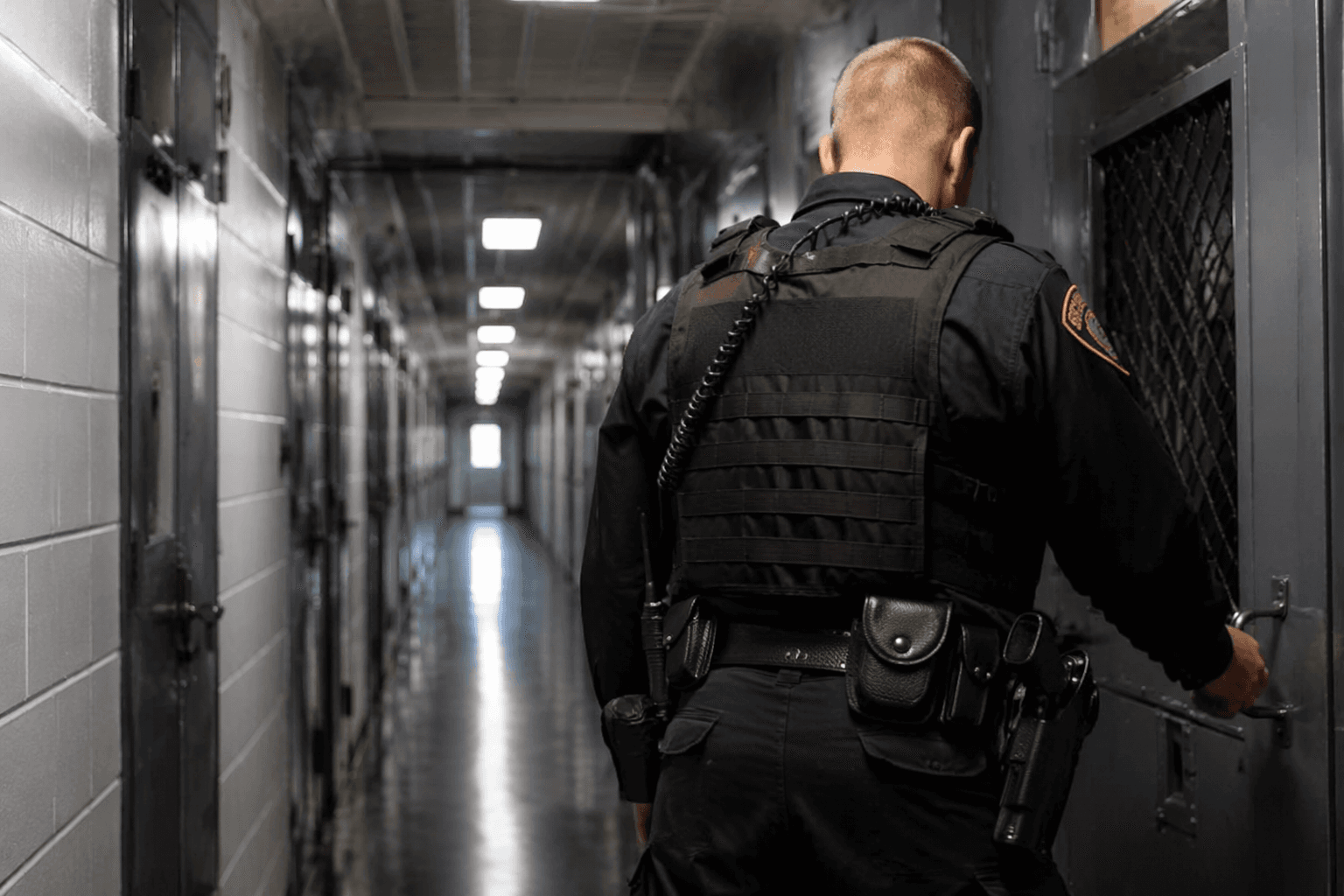
Sheriffs have long said their role under 287(g) was limited to jail-based cooperation, including holding undocumented detainees for an extra 48 hours so ICE could pick them up. Supporters of the ban said local police should not be doing federal immigration work and argued the change would keep officers focused on local crime and protect constitutional rights. Opponents said it would make public safety harder and fuel immigration chaos.
The dispute now overlaps with the Community Trust Act, which became law in May 2026 without Moore’s signature. That measure would further limit when correctional officers can contact ICE, allowing it only in narrow situations such as when a detainee is a convicted felon or a registered sex offender. For Baltimore residents, that makes the practical stakes clearest inside jails and detention centers, where booking decisions, information-sharing and ICE notifications can shape whether people feel safe reporting crimes or cooperating with police.

ICE says 287(g) was added to federal immigration law in 1996 and lets the agency delegate certain enforcement functions to local officers under ICE oversight. Maryland lawmakers and immigrant advocates have pushed to end the program for years, and the ban returned after earlier attempts were stripped from the 2025 and 2026 sessions before finally passing this year.
This article was produced by Prism’s automated news system from verified source data, official records, and press releases, then run through automated quality and moderation checks before publishing. The system is built and supervised by the people who set the standards it runs under. Read our full AI policy.
Did this article answer your question?