May Day protests sweep Baltimore, targeting wages, policing, immigration, corporations
Baltimore’s May Day protests turned downtown into a map of local grievances, from police violence and high energy bills to immigration, wages and Johns Hopkins labor fights.
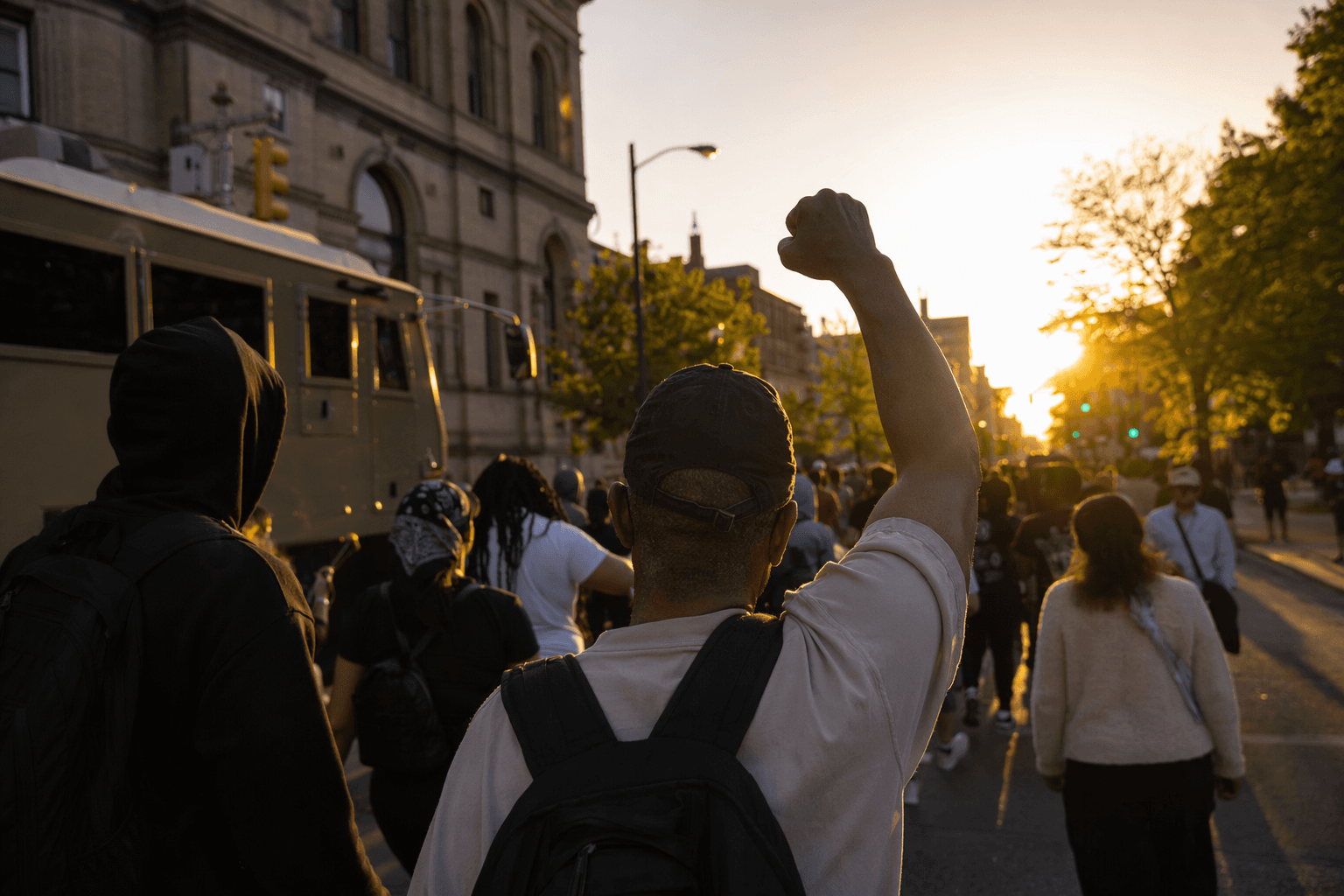
Baltimore’s May Day protests turned the city’s most visible corridors into a rolling argument about who pays for life in Baltimore and who gets heard when that bill comes due. On Friday, May 1, a network of marches, pickets and rallies stretched from McKeldin Square to Penn Station, Druid Hill Park and Johns Hopkins University’s Homewood campus, with labor, immigration, anti-police and anti-corporate organizers pushing their demands into the streets.
The largest march was the People’s Power Assembly action, which organizers said was endorsed by about 30 groups. It began at McKeldin Square and ended at the George Fallon Federal Building, after moving past Baltimore City police headquarters, Baltimore Gas and Electric and Hopkins Plaza. Andre Powell said the route was chosen on purpose. “We had about 30 different organizations that endorsed today’s march and most of them came and attended,” Powell said, as marchers paused to talk about people killed by city police and the burden of rising energy costs.
That route linked some of Baltimore’s sharpest pressure points. Police headquarters stood in for demands over violence and accountability. BGE represented the hit households feel when utility bills climb. Hopkins Plaza became a stop tied to immigrants held there, placing immigration alongside wages and policing as part of the same fight over power in the city. The march ending at the George Fallon Federal Building also carried added symbolism after lawmakers had sought answers in March over a possible Legionella outbreak there, a reminder that even federal space in downtown Baltimore has become a site of public concern.
The day was not a single march so much as a citywide cluster of actions. Outside Penn Station, another group held a Workers over Billionaires May Day Dance Party protest. Druid Hill Park hosted a separate gathering that involved roughly a dozen unions and organizations. A separate Baltimore May Day mobilization page also listed feeder events including a Baltimore Teachers Union caravan, a May Day March for Palestine and a Hands Off Students & Faculty rally, underscoring how broad the day’s coalition had become.
At Johns Hopkins University’s Homewood campus, graduate workers picketed over economic security, union autonomy and safety for the graduate worker body. Teachers and Researchers United, or TRU-UE Local 197, has used May Day in prior years to press Hopkins for sanctuary-campus protections, an end to student surveillance, support for the international community and academic freedom.
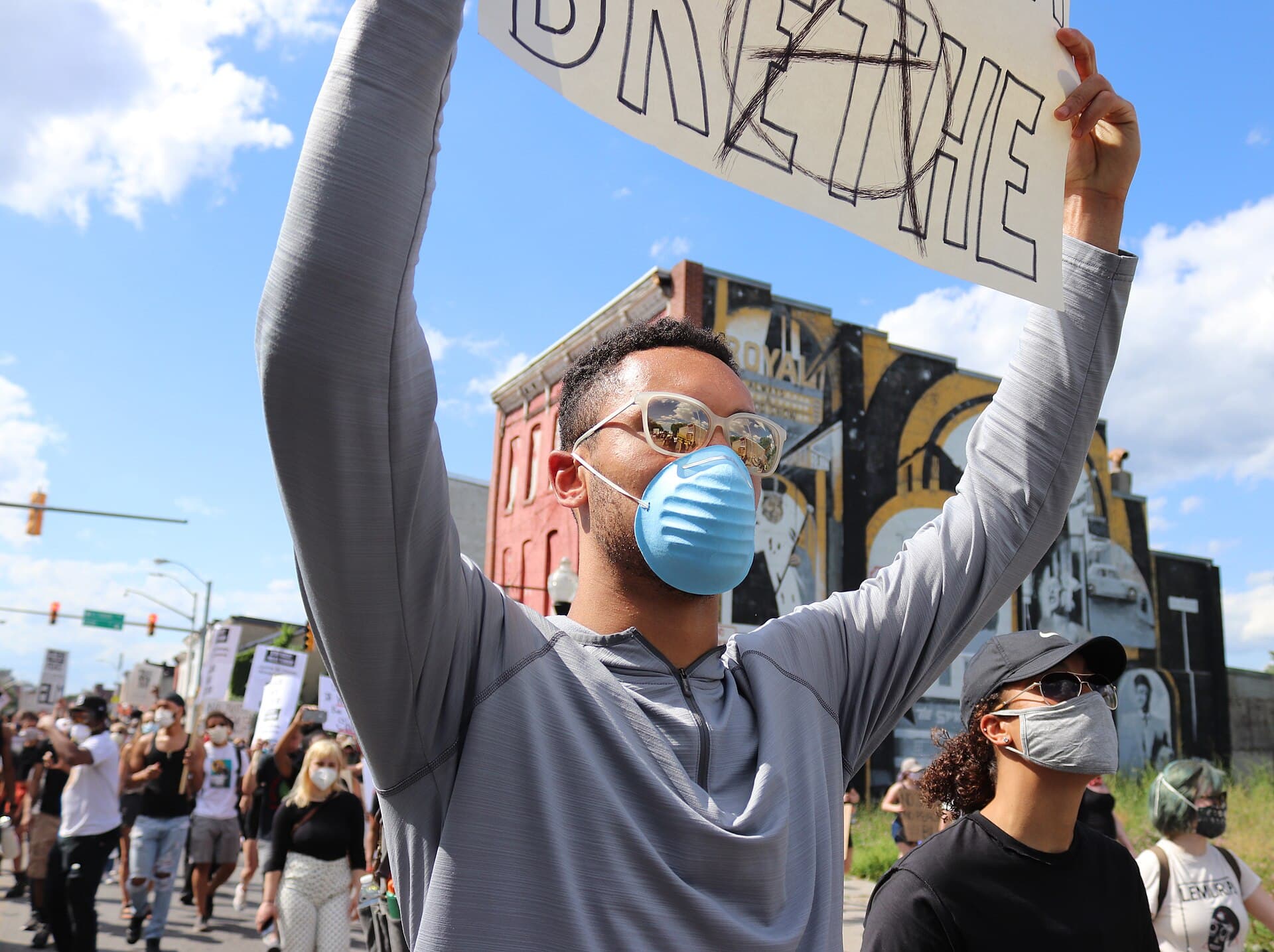
Baltimore also has a recent May Day benchmark to measure against. In 2025, the city saw roughly seven marches converge on McKeldin Plaza, drawing more than 1,000 protesters. This year’s spread of actions showed that the city’s labor and social movements remain rooted not just in rhetoric, but in the neighborhoods, institutions and costs that shape daily life.
This article was produced by Prism’s automated news system from verified source data, official records, and press releases, then run through automated quality and moderation checks before publishing. The system is built and supervised by the people who set the standards it runs under. Read our full AI policy.
Did this article answer your question?


