Satanic Temple hosts revival gathering in Baltimore amid backlash
The Satanic Temple brought its first national event since SatanCon 2023 to Baltimore’s Mobtown Ballroom, drawing live performances, panels and organized Christian protests.
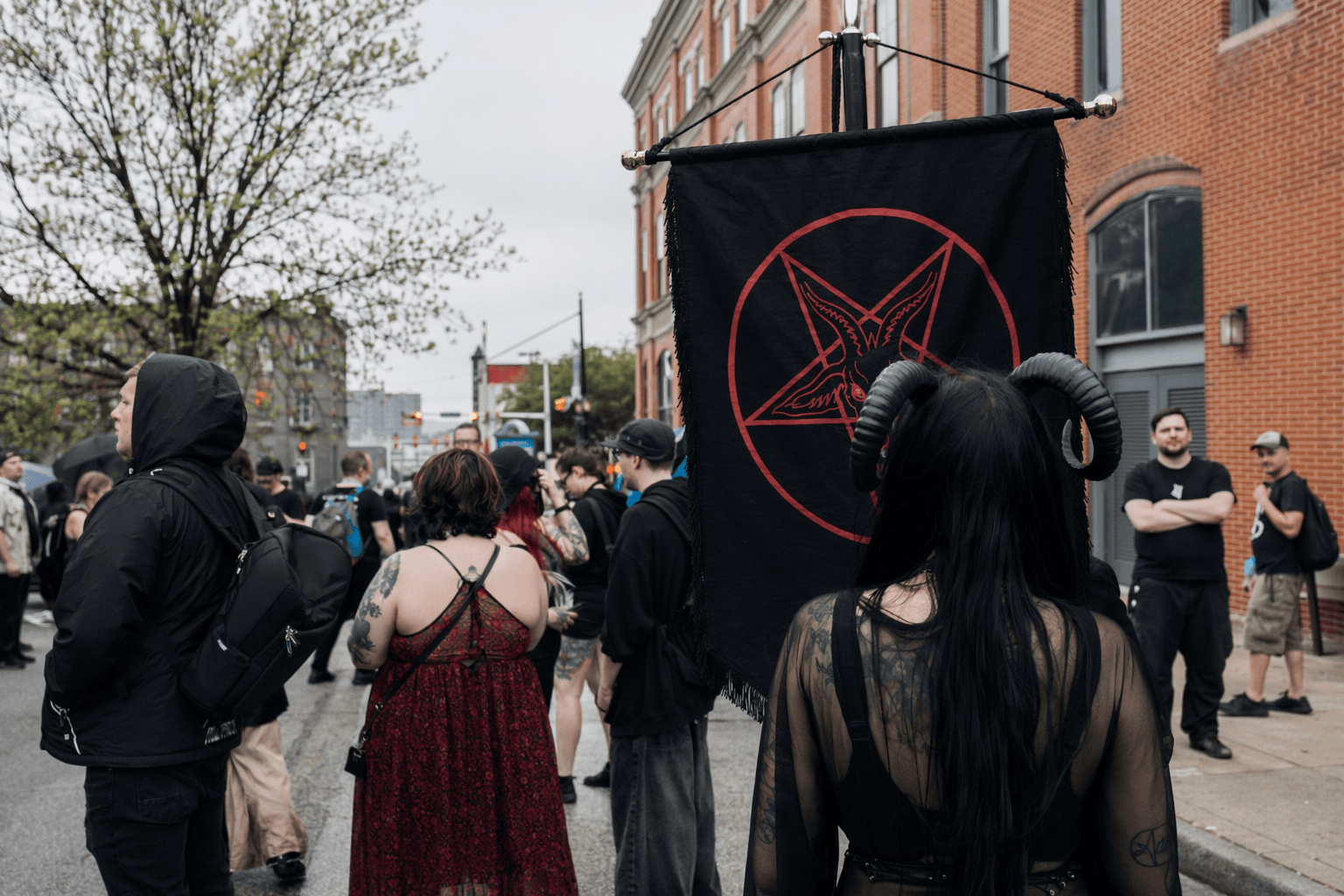
The Satanic Temple turned Baltimore into a flashpoint for religious free expression this weekend, staging its “Satanic Revival” at the Mobtown Ballroom as Christian groups organized prayers, protests and a petition aimed at stopping the gathering. The two-day event, held May 1 and May 2 in Baltimore, was billed by the temple as its first national event since SatanCon 2023.
Organizers described the revival as “A Gathering of Satanic Community, and Enlightenment,” saying the program was meant to focus on community, reflect on past accomplishments and build energy for future goals. The event materials listed a mix of music and talks, including performances by Satanic Planet, Pentagram String Band and Clouds Taste Satanic, along with presentations by co-founder Lucien Greaves and other campaign leaders.
The schedule also featured sessions with pointed titles, including “The Satanic Pulpit: Sinful Testimonies” and a “Ceremony of Infernal Pride.” Coverage of the gathering described a drag performance and a study session on the “Satanic religion,” underscoring how the weekend blended religious messaging, performance and public spectacle inside a city venue that was not identified until after tickets were purchased.
That secrecy, paired with the group’s decision to bring its national gathering to Baltimore, put the city once again in the middle of a national culture fight. The choice of a local ballroom meant the backlash was not abstract. It played out around a real neighborhood venue, with opponents trying to pressure the site not to host the event and framing the gathering as deeply troubling to Christians.
The opposition included calls for prayer and protests, along with an anti-event petition urging the Baltimore venue to cancel the gathering. American TFP, Lighthouse Church, Inc. and Return to Order were among the groups tied to the pushback. For Baltimore, the weekend highlighted how the city’s public spaces can become stages for broader arguments over religion, identity and the limits of free expression, even when the dispute starts far from the neighborhoods that have to absorb the attention.
This article was produced by Prism’s automated news system from verified source data, official records, and press releases, then run through automated quality and moderation checks before publishing. The system is built and supervised by the people who set the standards it runs under. Read our full AI policy.
Did this article answer your question?


