Mayor Scott Confident Baltimore Can Cut Homicides 15% in 2026
Mayor Brandon Scott said Baltimore can cut homicides by 15% in 2026, stressing sustained investments after a strong 2025 matter for neighborhood safety.
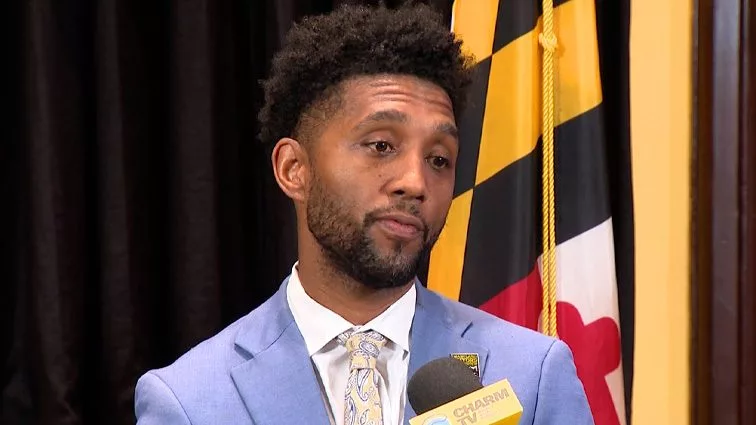
Mayor Brandon Scott said he remains confident Baltimore can reduce homicides by 15% in 2026, even after what he called a rocky start to the year. Speaking Jan. 21, Scott reiterated the city's goal of pursuing another 15% reduction in categories of violent crime and urged focus on long-term trends rather than single weeks or months.
Scott pointed to last year’s progress as the basis for optimism. Baltimore recorded 133 homicides in 2025, the lowest total in roughly 50 years, and nonfatal shootings also declined. City leaders say those gains came from a mix of targeted interventions and a public-health-oriented approach to violence prevention that connected city agencies with community partners and service providers.
The mayor framed 2026 as a test of whether the city can sustain and scale the strategies that worked in 2025. That will depend on continued investments, operational coordination, and measurable results. City funding decisions, how the Baltimore Police Department and public-health partners allocate resources, and the capacity of outreach and intervention programs will be central to whether the administration hits a 15% reduction across violent-crime categories.
For residents, the stakes are immediate. Declines in homicides and nonfatal shootings translate into fewer grieving families, less strain on emergency services, and improved perceptions of safety on block-level streets. But Baltimore’s neighborhoods also felt the unevenness of public safety gains in recent years, and single-month increases can quickly erode community confidence. Community groups and advocacy organizations have signaled they will watch implementation closely, pressing elected officials and city agencies for transparency and measurable outcomes.

Accountability will hinge on data. Officials must show where investments go, how intervention teams are deployed, and which neighborhoods see the most durable reductions. Scott’s pledge to continue a public-health approach means the city will emphasize prevention, treatment, and community supports alongside policing tactics. That hybrid strategy requires robust oversight from the mayor’s office, City Council, and community stakeholders to ensure dollars are reaching front-line services.
What comes next is a sequence residents can follow: monthly crime reports, the 2026 budget decisions that fund violence prevention, and public meetings where city leaders and community organizations lay out operational plans. If Baltimore sustains the strategies credited for 2025’s decline, the mayor and local leaders say the city can make meaningful additional improvements this year, a promise whose payoff will be measured on neighborhood streets and in the next set of crime statistics.
This article was produced by Prism’s automated news system from verified source data, official records, and press releases, then run through automated quality and moderation checks before publishing. The system is built and supervised by the people who set the standards it runs under. Read our full AI policy.
Did this article answer your question?