Mayor's Office Announces Key Appointments to Strengthen City Services
The Mayor’s Office announced a slate of personnel moves on December 30, 2025, promoting Tracy Falon King from interim to full Director of Communications and filling several senior roles across health, arts, and boards oversight. These appointments aim to provide continuity in messaging, bolster health and human services leadership, and expand youth engagement, arts access, and equity efforts that affect Baltimore neighborhoods.

The Mayor’s Office moved to solidify its executive team on December 30, 2025, naming several officials to new and permanent posts intended to sharpen the administration’s communications, health and human services, civic oversight, and cultural programming efforts.
Tracy Falon King, previously serving as interim Director of Communications, was elevated to the full director role as part of a broader set of promotions within the communications team. The change signals an emphasis on sustained, centralized messaging and outreach as the city navigates ongoing service delivery, public events, and emergency communications.
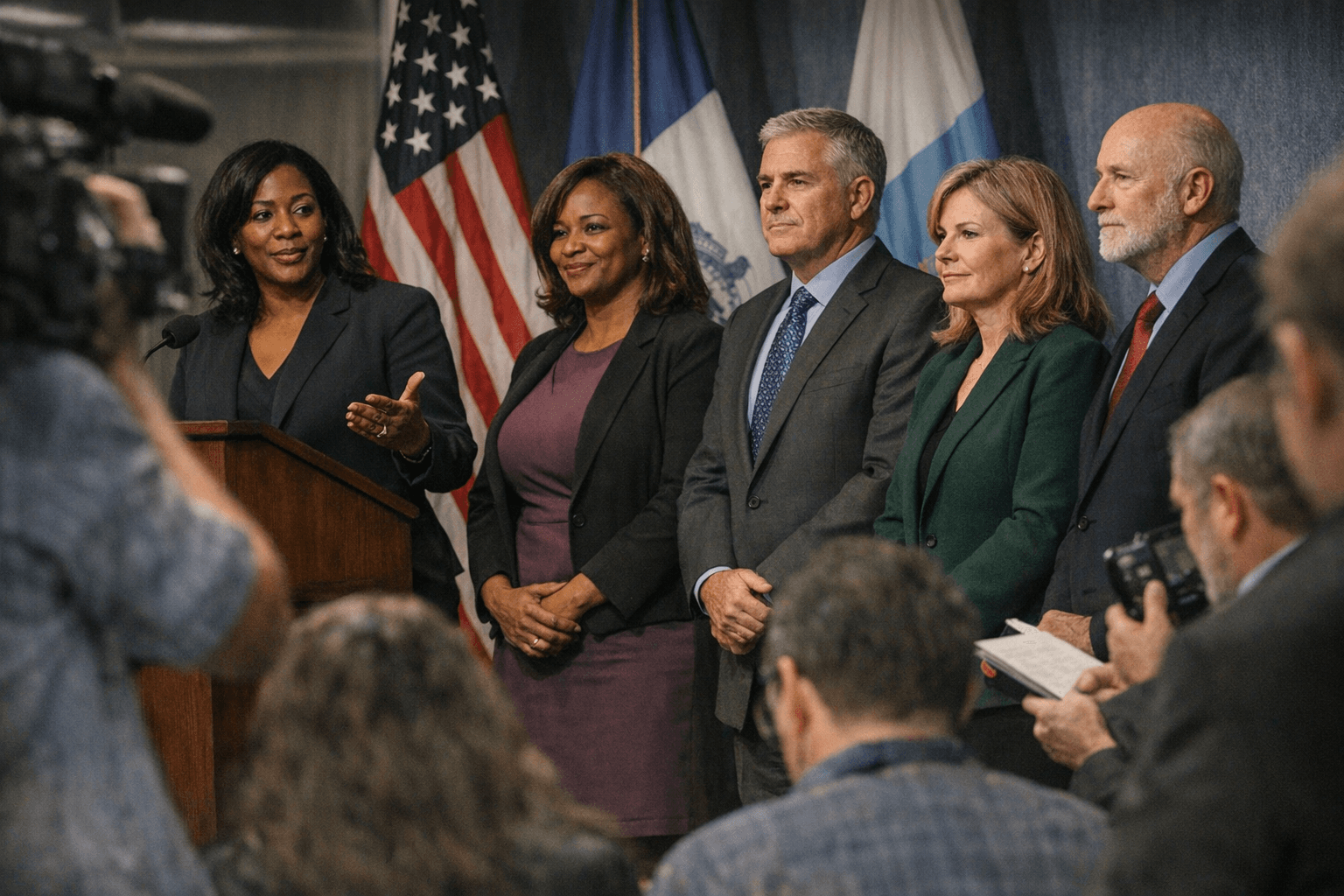
Noell West was named Assistant Deputy Mayor for Health and Human Services, a role that places her in the center of coordinating city programs related to public health, social services, and community supports. Dana P. Moore will serve as Senior Advisor for Boards and Commissions, providing guidance and oversight for the many civic bodies that shape city policy and appointments.
The announcement also confirmed that Bria Sterling-Wilson will join the Mayor’s Office of Arts, Culture and Entertainment as Deputy Director on January 5, 2026. Sterling-Wilson’s background in arts administration and community-focused cultural work was highlighted as a fit for priorities around expanding access to arts across neighborhoods, increasing youth engagement, and advancing equity in cultural programming.
City officials framed the personnel moves as prioritizing continuity in the mayor’s executive team while assigning specific responsibilities to deepen outreach to young residents, broaden cultural access, and strengthen equity-focused initiatives. For Baltimore residents, the immediate impact will be seen in how the city communicates about services and events, how health and human services coordinate across agencies, and how cultural programs and board decisions reflect community needs.
These types of alignments mirror trends in other cities where communications capacity, coordinated social services, and invested cultural leadership are used to bolster civic resilience and inclusive programming. Local arts organizations, youth programs, and civic groups will be watching how the new deputy director and senior advisor shape funding priorities, partnerships, and appointment processes.
With the start date for Sterling-Wilson set for early January, the administration’s moves mark a quick transition into the new year aimed at steady governance and targeted outreach to Baltimore’s diverse communities.
Know something we missed? Have a correction or additional information?
Submit a Tip