Moore says data centers must bring their own power in Maryland
Baltimore families and small businesses could face higher electric bills if data-center grid costs are pushed onto Maryland ratepayers, Moore warned in Harbor East.

Baltimore households, renters and small businesses could be stuck paying more for electricity if the next wave of data-center growth is allowed to shift grid costs onto Maryland ratepayers. Gov. Wes Moore used a packed Harbor East ballroom to argue that any company wanting to build data centers in Maryland should bring its own electricity.
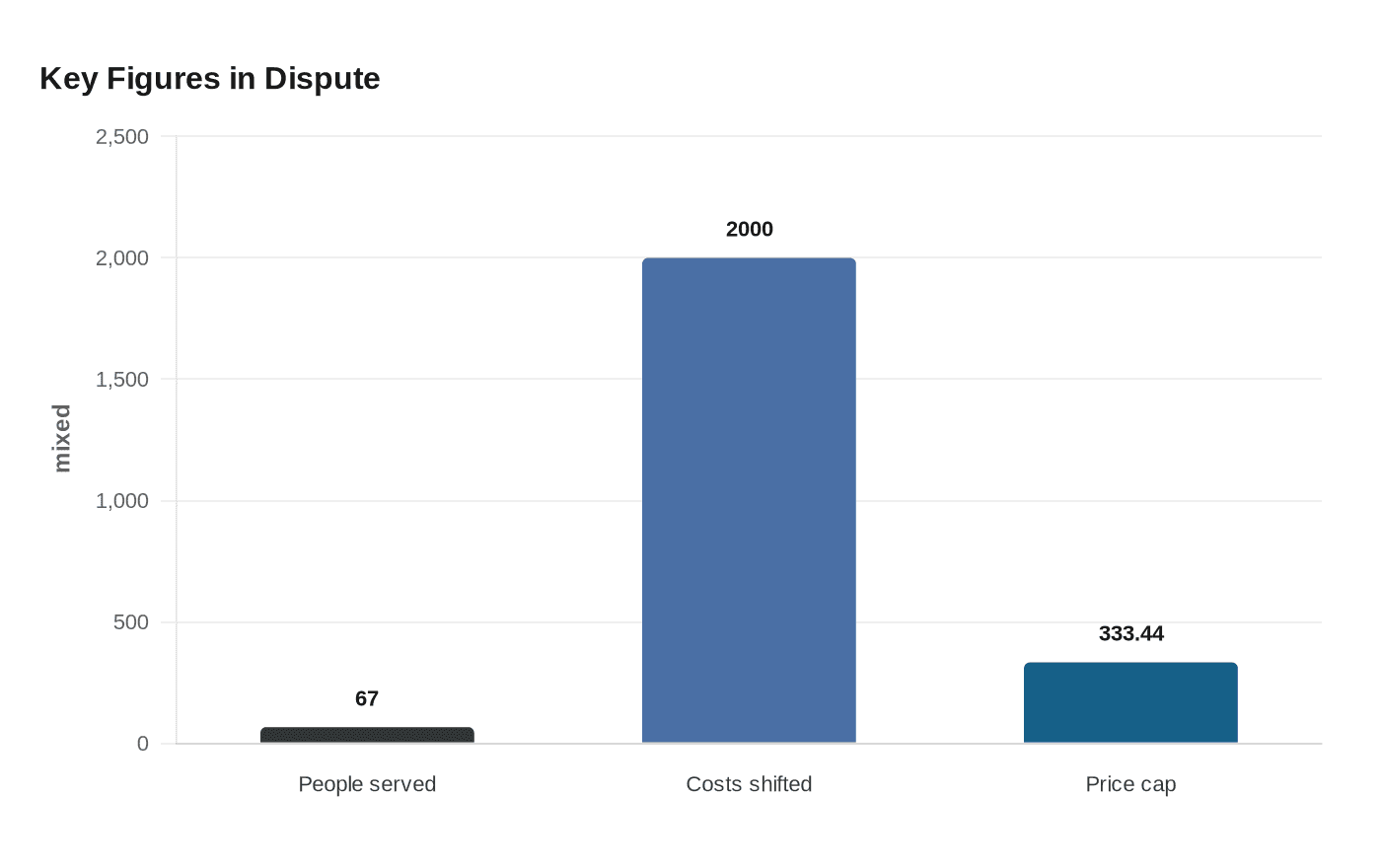
Moore delivered the opening speech at the 2026 PJM Annual Meeting of Members at the Baltimore Marriott Waterfront, where the regional grid operator and state leaders are locked in a fight over who should pay for the power system’s next round of upgrades. PJM says the meeting, held May 11 through May 13, focused on integrating large loads like data centers while preserving reliability and affordability for the 67 million people it serves across the PJM territory.
The governor called on PJM to work with states to lower energy costs, increase grid reliability and require large users such as data centers to pay their fair share. That message landed in a city where utility bills reach every neighborhood, from rowhouses in Fells Point and Roland Park to storefronts in Westside commercial corridors, and where any broad increase in transmission or capacity costs would hit institutions, churches and corner businesses as well.
The pressure on Maryland ratepayers is already being tested. On May 7, the Maryland Office of People’s Counsel filed a complaint at the Federal Energy Regulatory Commission challenging PJM’s rules for assigning data-center-driven transmission costs, saying the framework violates federal law and could unfairly shift about $2 billion in transmission costs to Maryland customers. The office’s complaint came as PJM’s 2025-2026 capacity auction cleared at a record-high price cap of $333.44 per megawatt-day, another sign that tightening supply and surging demand are pushing costs upward.
The dispute has also reached Annapolis. Maryland lawmakers considered House Bill 900 and House Bill 1082 to require special rate schedules for data centers and other large-load customers, a move meant to make sure those facilities cover their own costs instead of spreading them across ordinary bills. House Bill 1082 extends the deadline for electric companies to file large-load rate schedules to January 1, 2027, and sets the Public Service Commission deadline for regulations at October 1, 2026.
For Baltimore residents, the stakes are immediate. If Moore’s approach prevails, new data centers would be expected to pay for the power they need before they plug in. If it does not, households and small businesses across the city could end up helping finance the infrastructure for some of the region’s biggest electricity users.
This article was produced by Prism’s automated news system from verified source data, official records, and press releases, then run through automated quality and moderation checks before publishing. The system is built and supervised by the people who set the standards it runs under. Read our full AI policy.
Did this article answer your question?