More Black men in Baltimore open up about mental health, stigma fades
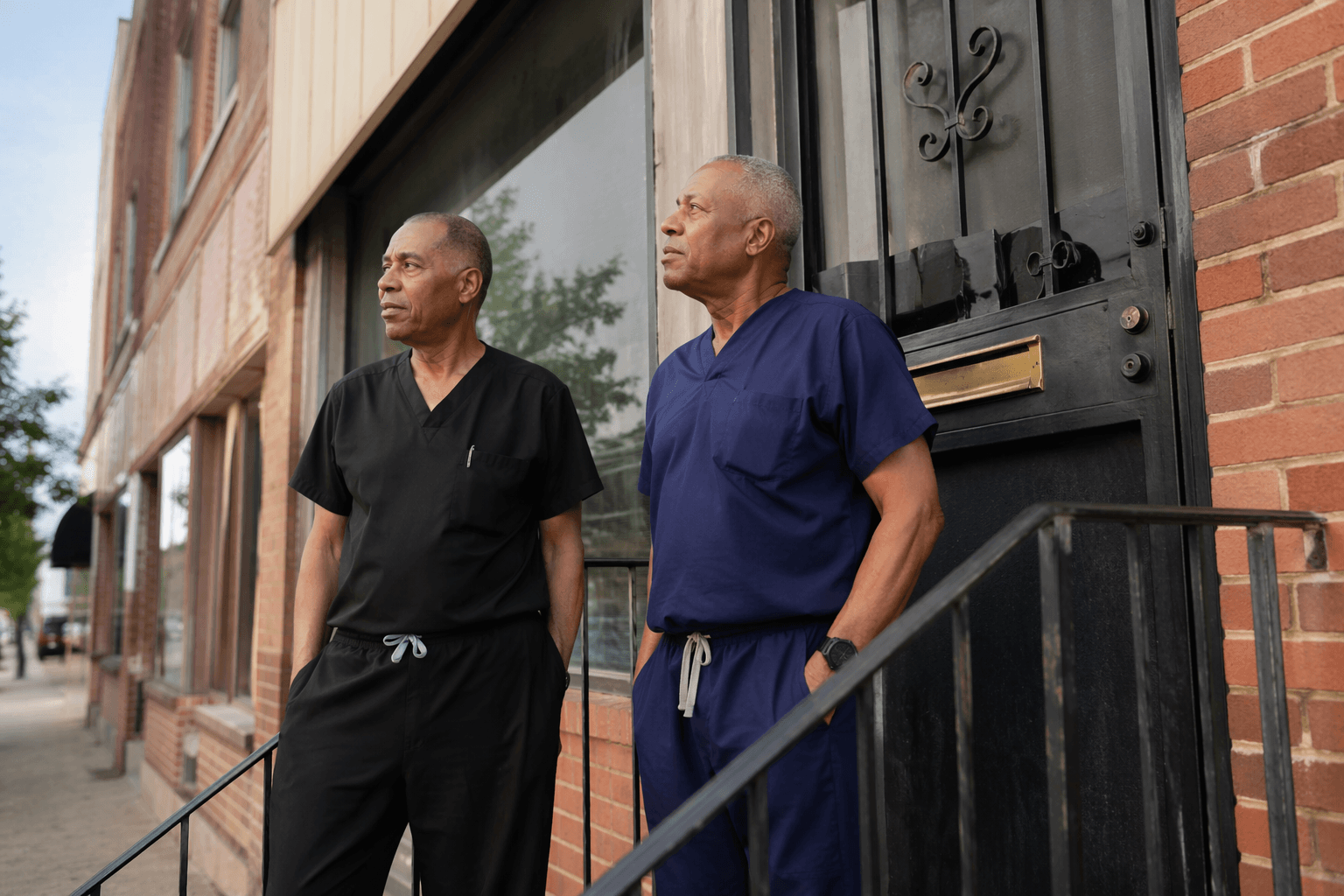
Black men in Baltimore are opening up about depression and trauma, and a local therapy fund is covering eight free sessions for 25 men.
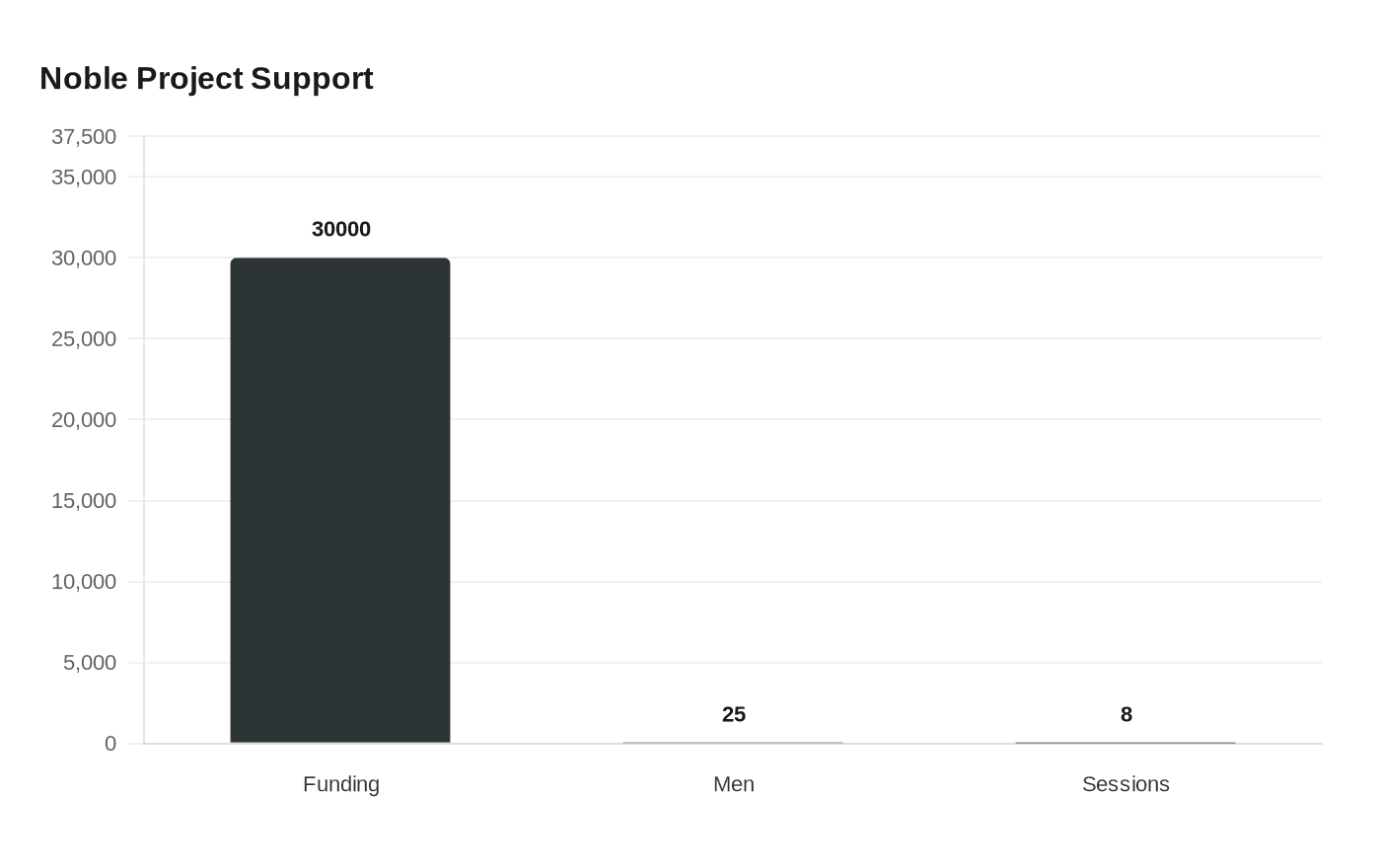
More Black men in Baltimore are talking about depression, anxiety and trauma, and one local response is aimed squarely at the barrier that stops many from ever walking into therapy: cost. Black Men Heal’s Baltimore-based Noble Project is pledging $30,000 to sponsor 25 men for eight free individual therapy sessions each with clinicians of color, a direct attempt to bring care within reach in a city where grief, violence and economic strain often pile up at once.
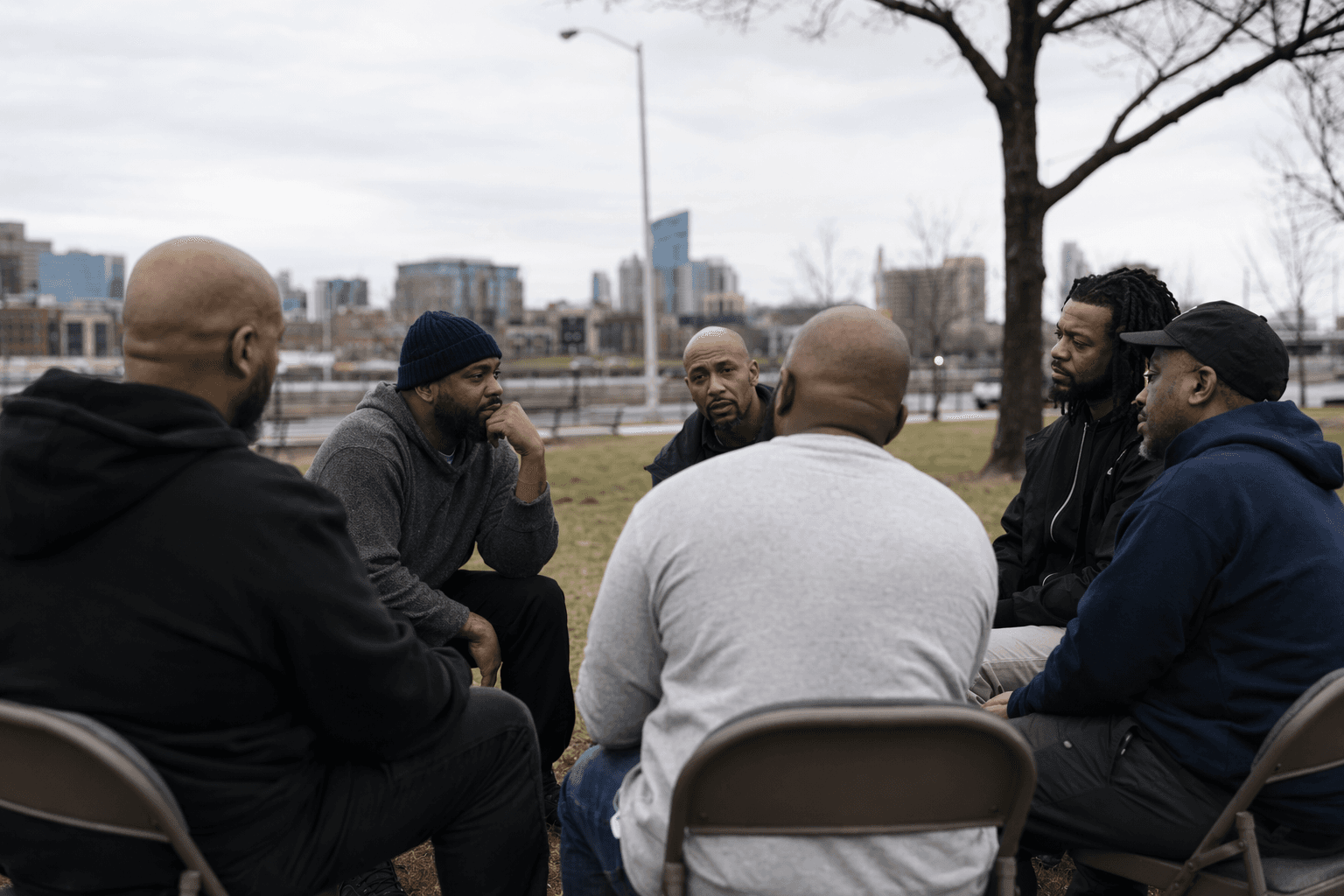
Therapist Dwayne Speaks said many men are not looking for someone to solve everything. They want to be heard and leave with practical tools for getting through hard moments. Wesley Harris, with Black Men Heal, said many Black families have long relied on pastors and church-based counseling, so support has existed, but not always in a clinical form that insurance or community programs can make easier to access. That difference matters in Baltimore, where therapy still has to compete with habit, mistrust and the simple question of whether a man can find a provider who feels safe to talk to.
The shortage of Black therapists makes that trust gap harder to close. Advocates say Black men make up less than 6 percent of therapists nationwide, leaving many patients without anyone who looks like them in the room. A 2023 peer-reviewed study tied the problem to alarming outcomes, finding that suicide was the third leading cause of death for Black male adolescents and young adults, that Black boys and men accounted for 81 percent of completed suicides in the Black population examined, and that suicide deaths among Black men rose 25.3 percent over two decades.
Baltimore’s public behavioral health system underscores how much demand the city is already absorbing. More than 107,000 people accessed care in Baltimore City in a year, at a cost of more than $52 million. Yet access is only part of the story. Maryland’s Department of Health points people toward culturally specific resources for Black communities, including Black Men Heal, Black Mental Health Alliance, Black Mental Wellness, Therapy for Black Men and Brother You’re on My Mind. The state’s Office of Minority Health and Health Disparities, established by statute in 2004, continues work on health equity and underrepresented behavioral health professionals.
That local infrastructure is what turns the conversation from awareness into service. In Baltimore, the shift is not just that more men are willing to say they are struggling. It is that programs, public systems and advocates are trying to build a path to care that is cheaper, more culturally responsive and easier to trust.
This article was produced by Prism’s automated news system from verified source data, official records, and press releases, then run through automated quality and moderation checks before publishing. The system is built and supervised by the people who set the standards it runs under. Read our full AI policy.
Did this article answer your question?