Nathan Irby Jr., former Baltimore councilman and state senator, dies
Nathan Irby Jr. moved from Baltimore’s Second District to the Maryland Senate, helping steer planning, housing and public health work across city boards and commissions.
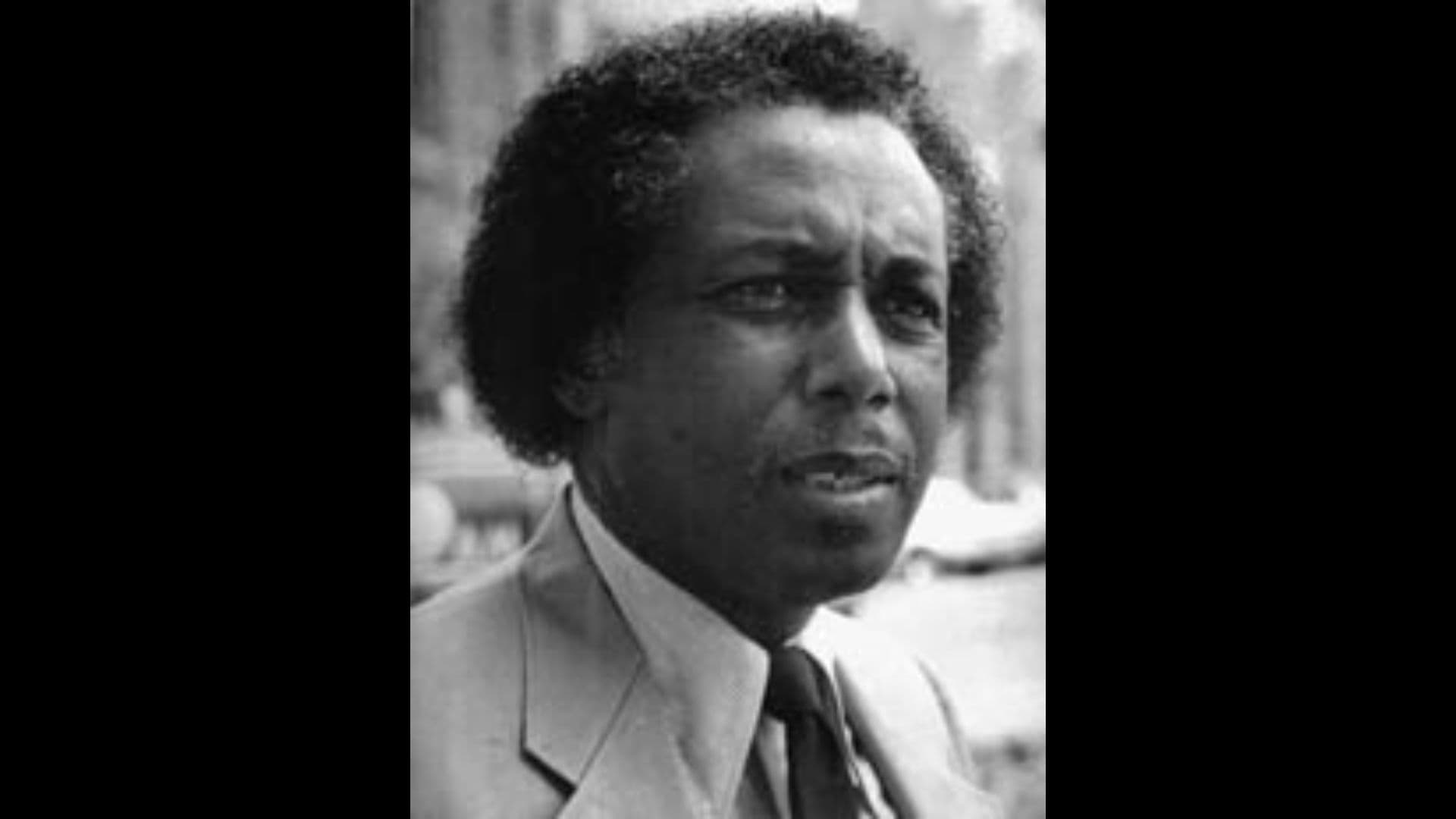
Nathan Irby Jr., who carried Baltimore from the City Council into the Maryland Senate and through a long list of city and state boards, left behind a record that reached far beyond one district. He was born in Baltimore on Nov. 7, 1931, attended Dunbar High School and Antioch College, and earned a B.A. in 1972, a late-degree path that came after years in public life.
Irby represented Baltimore City Council’s Second District from 1974 to 1982, then served in the Maryland Senate from 1983 to 1994. In Annapolis, he served as vice-chair of the Executive Nominations Committee and sat on the Budget and Taxation Committee and Rules Committee, positions that put him inside the machinery that shaped appointments, spending and legislative procedure. That role gave Baltimore another voice in the state capital at a time when city priorities often depended on who could press the case most effectively in the Senate.
His influence in Baltimore also ran through planning and service agencies. Irby served on the Baltimore City Planning Commission from 1976 to 1982, chaired the Urban Services Agency in Baltimore City, and held seats on the Baltimore City Energy Conservation Commission, the Air Quality Control Advisory Council, and the Central Maryland Health Systems Agency. He also served on the Governor’s Task Force on Food and Nutrition, the Governor’s Housing Task Force, the Task Force to Study Deaths Resulting from Building Fires, the Task Force on Investment of Pension Funds, the Governor’s Advisory Council on AIDS and the Regional Planning Council.

Taken together, those posts show a politician who worked across the systems that still shape Baltimore today: land use, neighborhood services, energy use, public health, housing and emergency safety. His career helped link the Second District to citywide planning and to state decisions that reached into daily life in Baltimore blocks, rowhouses and public offices.
Irby’s place in Maryland legislative history was also marked in a portrait of local lawmakers that grouped him with former senators Robert Dalton, Robert Douglass and Nathaniel McFadden. For Baltimore, the measure of his career is not only that he served, but that he served in the rooms where the city’s long-running problems were debated, funded and organized.
This article was produced by Prism’s automated news system from verified source data, official records, and press releases, then run through automated quality and moderation checks before publishing. The system is built and supervised by the people who set the standards it runs under. Read our full AI policy.
Did this article answer your question?