New Restaurant to Revitalize Historic Alex. Brown & Sons Building Downtown
A new restaurant is planned for the landmark Alex. Brown & Sons building at 135 E. Baltimore St., aiming to restore historic features and boost downtown foot traffic.
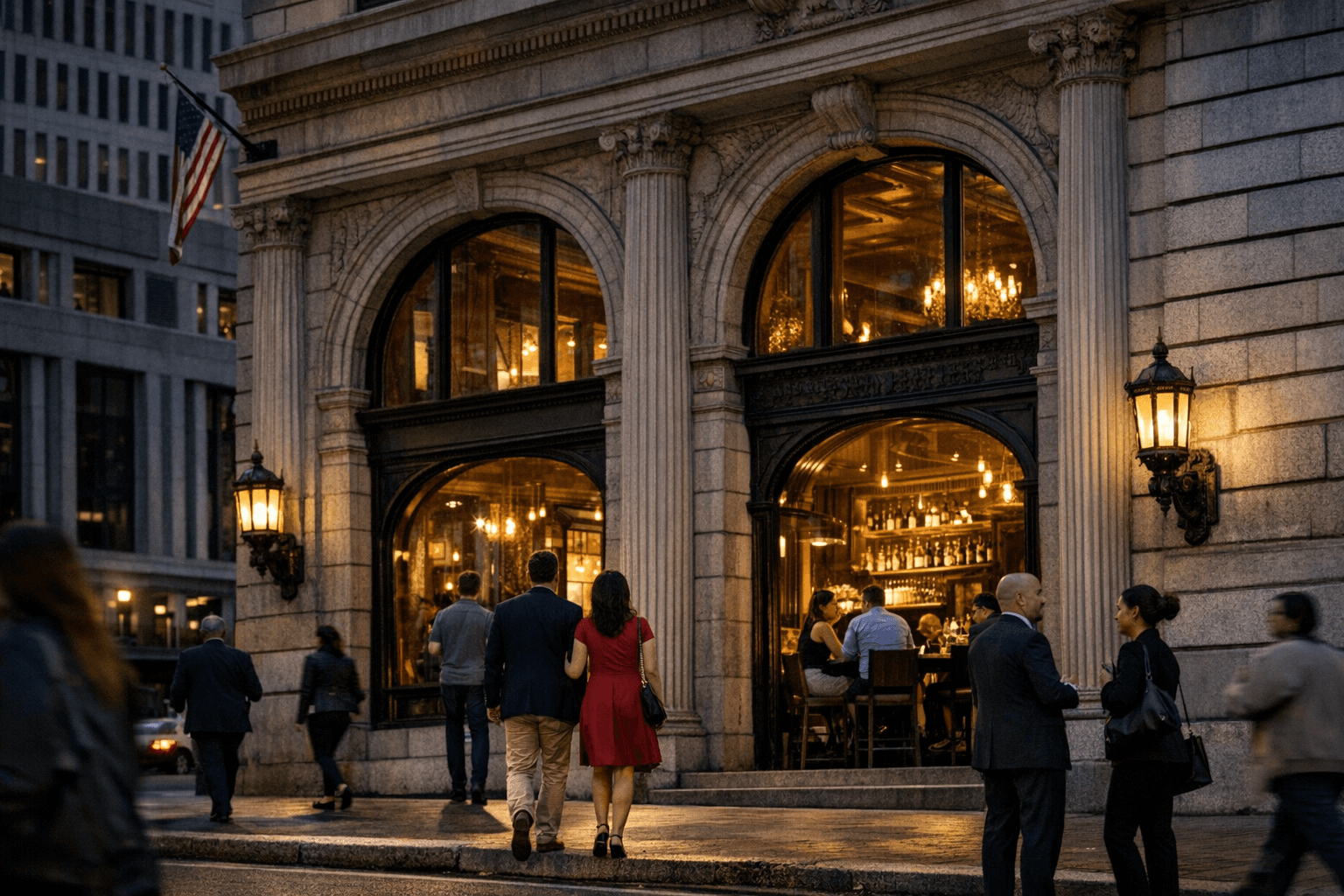
A new restaurant is scheduled to occupy the historic Alex. Brown & Sons building at 135 E. Baltimore St., a move proponents say could return much-needed evening activity to Baltimore’s central business district.
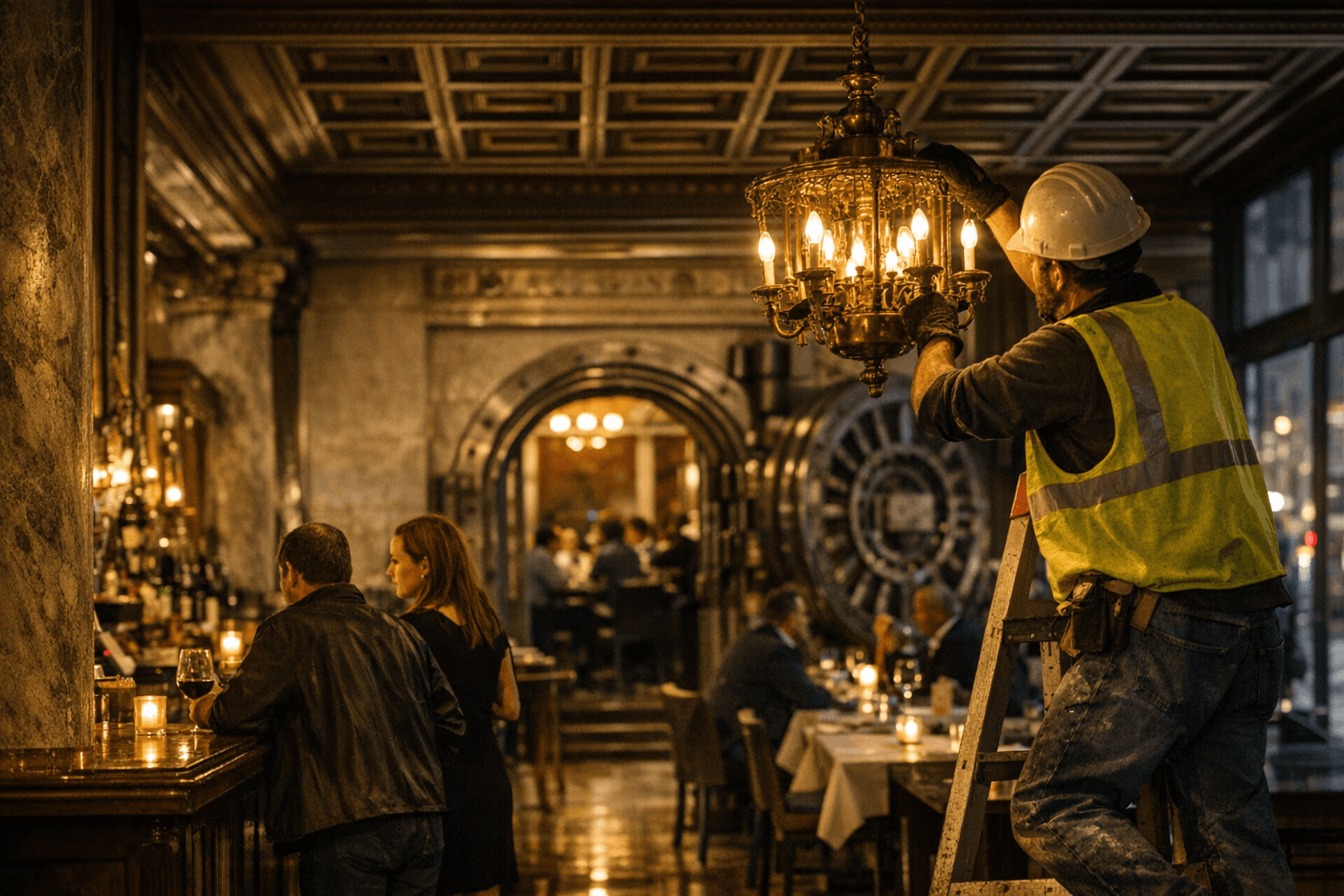
The brick building, built in 1901 and one of the city’s surviving Gilded Age interiors, still contains marble columns, tufted couches and a Tiffany-style stained-glass dome. The property was converted to restaurant-ready space in 2019 after years as retail and, most recently, a Capital One branch. The building measures roughly 15,000 square feet and stood empty after a previous restaurant operator vacated the space in 2024 following a brief tenancy.
Plans for the site have evolved over several years. An earlier proposal led by Florida developer Blake Casper alongside Allison Adams and descendants of Alexander Brown envisioned a 170-seat operation called the Alexander Brown Restaurant with a chef-driven American menu focused on steaks, seafood and hearty dinner fare, plus lighter salads and sandwiches. Casper said of the building, "As soon as we walked in the space, it was love at first sight." He described the menu restraint plainly: "It won't be super adventurous," and said he hoped the restaurant would be "buzzy" and serve as a center of social activity in the neighborhood. That plan included restoration work to return original marble, oversized windows and the Tiffany-style dome to full effect and named local developer Cary M. Euwer Jr. as a restoration partner, with Metropolitan Partnership Ltd. serving as an on-the-ground developer.
More recently, the project resurfaced under a new operating concept called Fruition at 135th, led by owner Shanita Sampson. Sampson said she is not intimidated by the building's legacy or size and described the ambience as "elevated social dining," built around what she called top-tier hospitality and specialized guest experiences. The Fruition team plans a soft opening in March. The shift in operators and concept highlights a broader pattern: the building has attracted multiple proposals to adapt its ornate spaces for dining and nightlife, but turnover has been high and one tenant closed amid unpaid debts and weak foot traffic.
For downtown residents and workers, the redevelopment carries two clear implications. First, a successful, well-capitalized restaurant could add jobs, evening foot traffic and demand for neighboring retail and services in a stretch of downtown that has struggled to sustain nightlife. Second, the project will test whether restored, landmark interiors can support modern hospitality economics, notably labor, rent and the need for consistent patronage outside traditional business hours.
Key details remain to be confirmed, including final ownership status, construction costs and a firm opening date. If the March soft opening proceeds, neighbors can expect visible restoration activity inside the building’s Gilded Age spaces and a renewed push to make downtown dining a regular evening draw.
This article was produced by Prism’s automated news system from verified source data, official records, and press releases, then run through automated quality and moderation checks before publishing. The system is built and supervised by the people who set the standards it runs under. Read our full AI policy.
Did this article answer your question?