New State Laws Impact Baltimore Workers, Health, and Safety
On January 1, 2026, multiple Maryland statutes took effect that affect firefighters, rideshare drivers, hearing-impaired residents, and personal care workers such as barbers and cosmetologists. These changes will alter access to screenings and benefits and impose new transparency and training requirements, with implementation to be coordinated by state agencies and local partners.
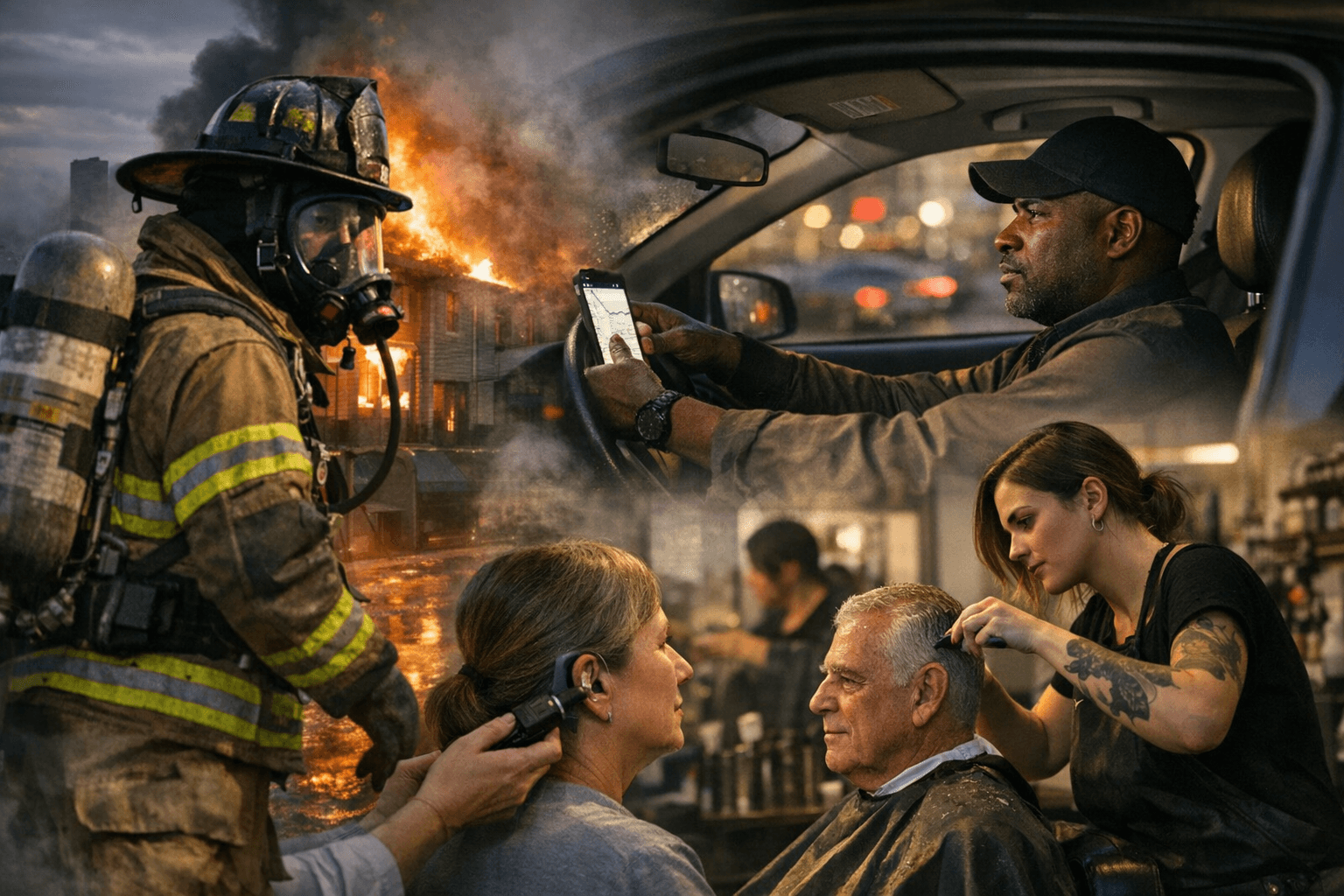
Several pieces of legislation that became effective on January 1, 2026 carry direct consequences for Baltimore City residents and the local workforce. Key measures include no-cost cancer screenings for firefighters, expanded coverage for hearing aids, a requirement that rideshare companies provide drivers with weekly earnings summaries, and mandatory domestic violence awareness training for barbers and cosmetologists. State agencies are slated to coordinate implementation as the Maryland General Assembly prepares to convene its 2026 session in mid-January.
The immediate public health change for Baltimore firefighters aims to reduce barriers to early detection and treatment. No-cost cancer screenings address a well-documented occupational risk in firefighting and could shorten the time between symptom onset and diagnosis for city personnel. For families and municipal budgets, the screenings may lessen long-term medical and financial burdens if applied broadly among active and retired firefighters.
Expanded hearing-aid coverage will affect older adults and others with hearing loss across Baltimore neighborhoods. By broadening insurance support, the law is intended to lower out-of-pocket costs for devices that improve communication, social participation, and safety. Community health providers and clinics in the city are likely to see increased demand for assessments and fittings as residents learn about the new eligibility and coverage details.
Rideshare drivers operating in Baltimore will begin to receive weekly earnings summaries from companies, a mandate designed to increase transparency about pay, deductions, and hours worked. For gig economy workers, clearer income records can assist in budgeting, tax preparation, and evaluating employment terms. Local drivers and those who hire them will need to monitor how companies deliver these statements and whether platforms update in-app tools or communications.
The requirement for domestic violence awareness training for barbers and cosmetologists recognizes personal care professionals as trusted points of contact in communities. In Baltimore, where barbershops and salons often serve as informal community hubs, training could improve early identification and referral pathways for victims seeking help. Implementation details and timelines will be set by state agencies, which will also determine approved curricula and any compliance deadlines.
These laws reflect an emphasis on worker protections, health access, and consumer transparency that will play out at the city level over coming weeks. Baltimore residents and local businesses should watch for guidance from the state on enrollment, compliance, and service locations, and look to city offices and community organizations for assistance as new programs roll out.
This article was produced by Prism’s automated news system from verified source data, official records, and press releases, then run through automated quality and moderation checks before publishing. The system is built and supervised by the people who set the standards it runs under. Read our full AI policy.
Did this article answer your question?