NWS Issues Cold Weather Advisory as Baltimore Braces for Subzero Wind Chills
NWS issued a cold weather advisory for Baltimore, warning of single-digit and teen temperatures with overnight wind chills that may feel subzero.
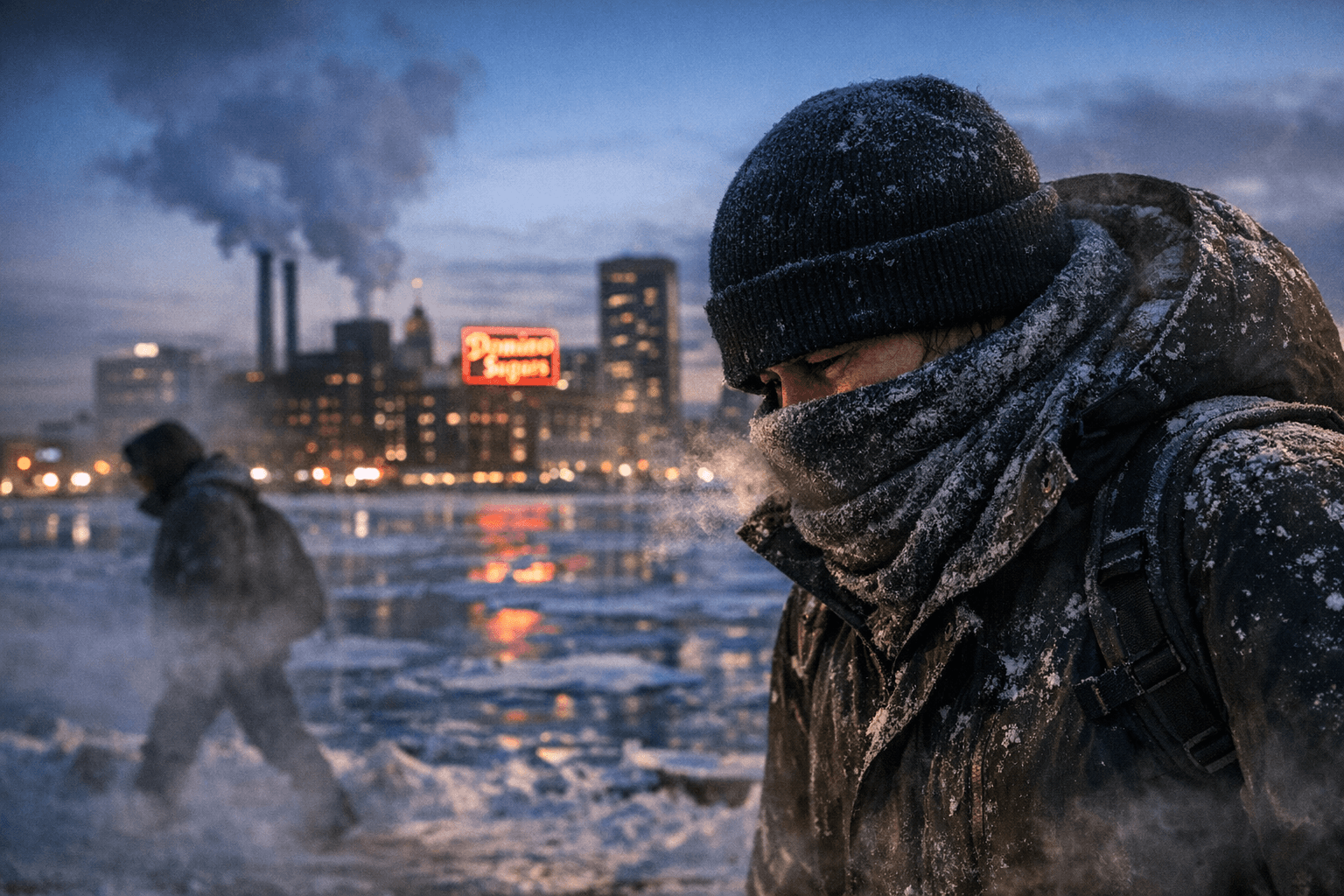
The National Weather Service issued a cold weather advisory for the Baltimore area, warning residents of a prolonged period of frigid temperatures that was expected to leave highs in the single digits and teens and wind chills that could feel subzero overnight. The advisory, issued January 26, forecast a multi-day cold snap with temperatures likely to remain below freezing through the week, elevating risks to public health, transportation, and city services.
City residents should prepare for sustained hazards rather than a one-night event. Subzero wind chills increase the danger of hypothermia and frostbite for people who are exposed outdoors, and they can worsen outcomes for older adults and people with chronic health conditions. The advisory called on neighbors to check on seniors and other vulnerable residents and urged caution when using supplemental heating devices. Improper use of space heaters, portable generators, and indoor combustion sources can raise the risk of fire and carbon monoxide poisoning during prolonged cold spells.
Officials also noted a low probability of another coastal storm developing during the cold period. While that possibility was not high, even a weak coastal system could bring wet snow or freezing precipitation to low-lying areas and complicate the already challenging conditions. Travelers should expect the potential for slick roads, icy sidewalks, and transit delays as agencies adjust routes and schedules in response to temperature-driven service impacts.
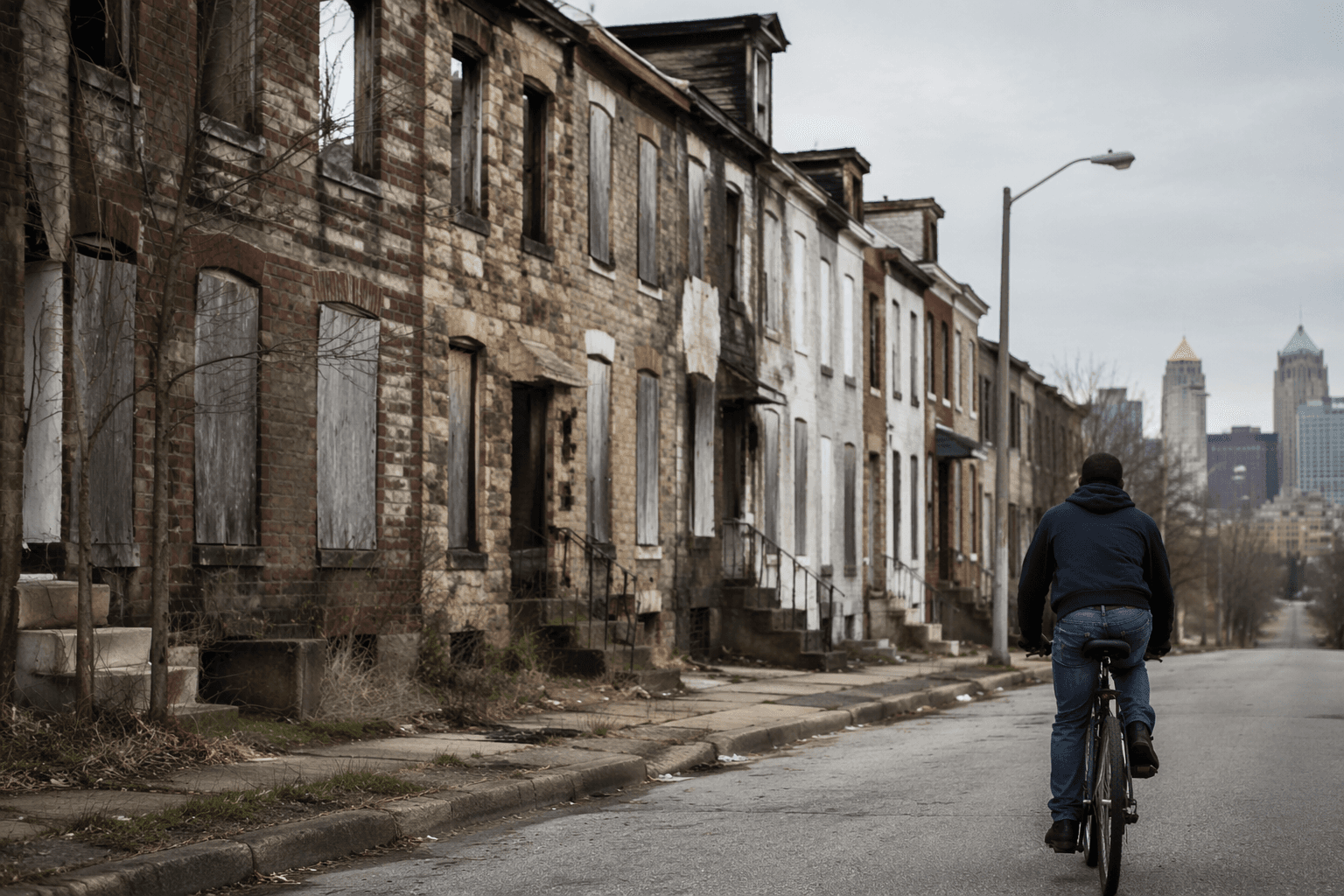
Public infrastructure may feel the strain. Prolonged subfreezing conditions can lead to burst pipes in uninsulated buildings and increased demand on heating systems, and the advisory flagged potential knock-on effects for trash pickup, street maintenance, and other city services. Residents in rowhouse neighborhoods and older apartment buildings should take simple precautions: keep a slow trickle of water running on exposed pipes when feasible, insulate vulnerable plumbing, and maintain clear access to heating sources.
Baltimoreans looking for immediate assistance were advised to consult city resources for information on warming centers and shelter options. Community organizations and faith groups often mobilize during extended cold snaps to provide overnight shelter and warm meals; readers should use official channels to confirm hours and locations before heading out.
As the week progressed, monitor NWS updates and local alerts, layer clothing, limit time outdoors when possible, and coordinate with neighbors to ensure the most vulnerable are safe and warm. The extended cold is a community test of resilience and care; practical preparation now can reduce emergency calls and keep more people safe until temperatures moderate.
This article was produced by Prism’s automated news system from verified source data, official records, and press releases, then run through automated quality and moderation checks before publishing. The system is built and supervised by the people who set the standards it runs under. Read our full AI policy.
Did this article answer your question?