Papst highlights Baltimore's crime, school and population decline rankings
Baltimore’s worst-list reputation is real, but the numbers tell a more mixed story on crime, schools and population loss.
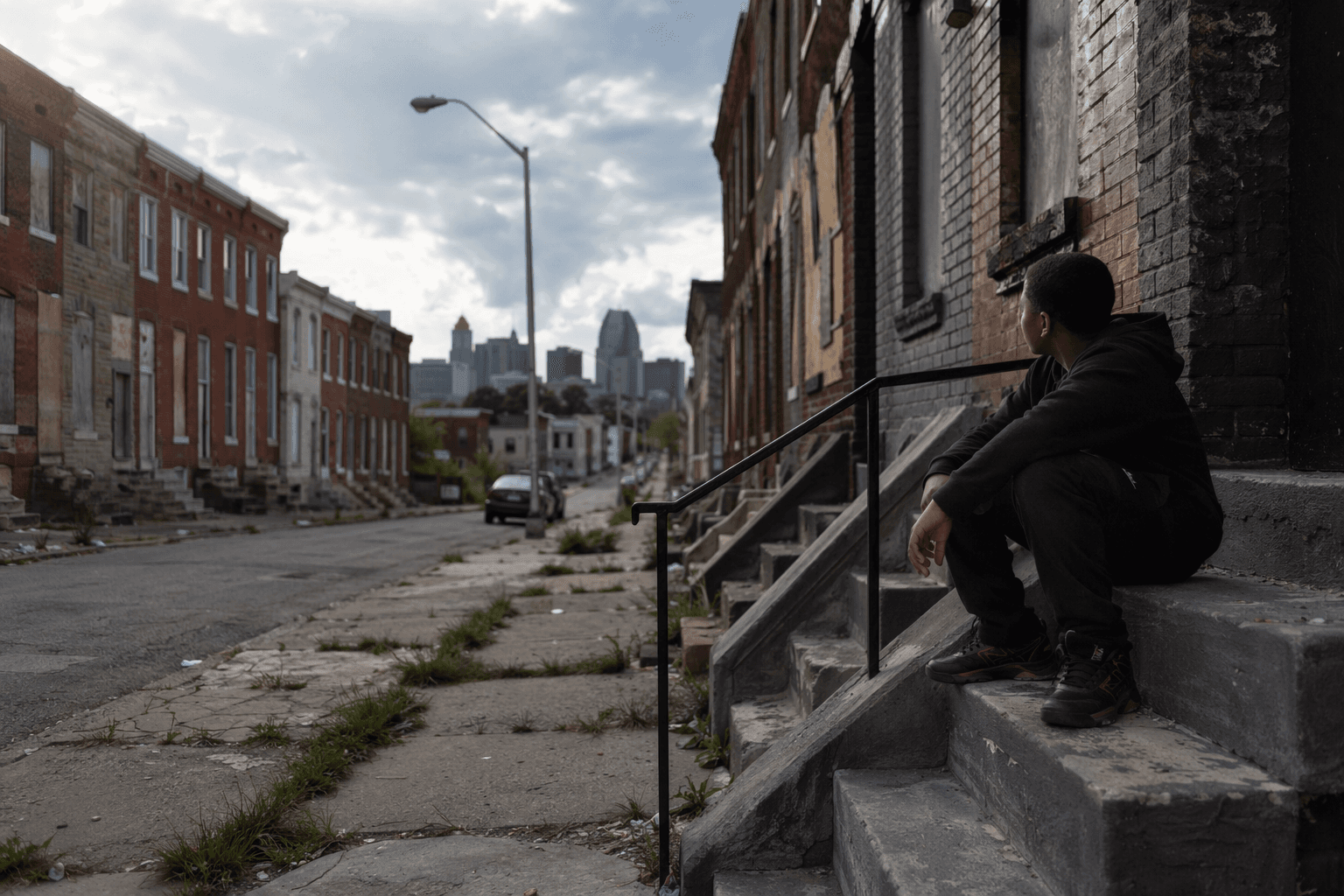
Chris Papst’s latest roundup of Baltimore’s bleakest rankings lands on a familiar nerve: crime, schools and shrinking population. But the details behind those lists matter, because the city’s reputation is being measured by different yardsticks, and some of the newest numbers point to improvement even as the headline rankings stay harsh.
U.S. News & World Report’s 2026 list places Baltimore as the 4th most dangerous city in the country, using FBI murder and property-crime rates per 100,000 residents. That puts Baltimore behind Memphis, Oakland and St. Louis, and it shows how heavily these lists lean on raw crime data rather than the day-to-day reality of particular neighborhoods, block by block.
The picture is similarly mixed in education. U.S. News’ Baltimore City Public Schools page says the district has 34 high schools and shows districtwide high school proficiency at 28% in reading and 6% in math. Those figures remain painfully low, especially in a city that spends $18,272 per student, according to a 2024 Fox45 report that cited U.S. Census data. At the same time, Baltimore City Public Schools said 49% of its schools earned 3-, 4- or 5-star ratings in 2025, the highest share since the Maryland report card began in 2018 and above the previous high of 46% in 2019.
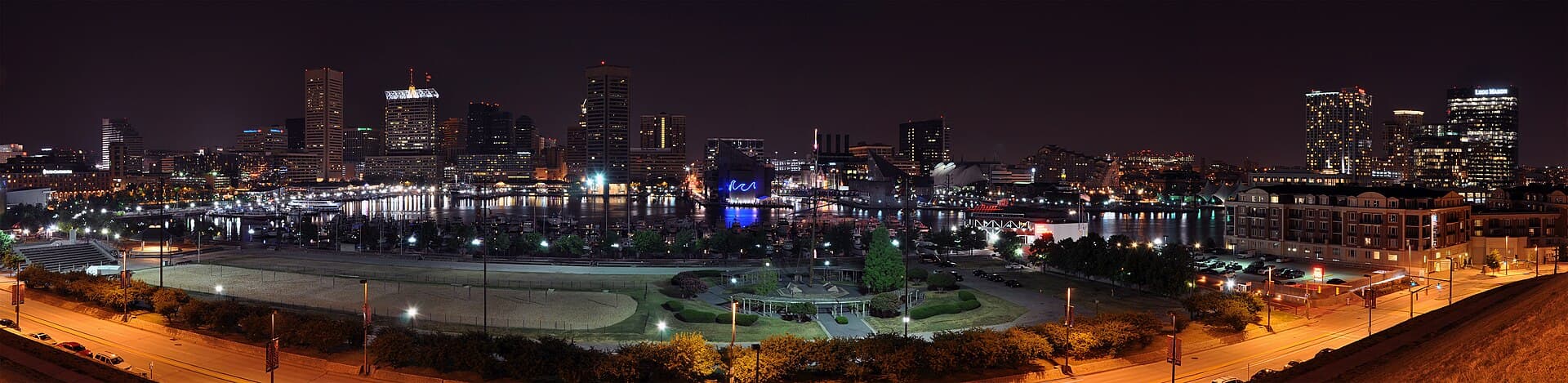
The state’s Maryland Report Card is designed to cover all 24 school districts and measure student achievement year to year, which helps explain why school leaders can point to progress even when broader national rankings remain stubbornly low. Baltimore’s challenge is that better star ratings do not yet match the citywide reading and math outcomes that dominate outside perceptions.
Population loss tells a similar story of competing frames. The U.S. Census Bureau’s Vintage 2025 estimates put Baltimore’s population at 569,997 on July 1, 2025, down from 585,708 in the 2020 Census, a decline of 2.7%. A 2024 local report put the loss at about 20,000 residents, or 3.5% since the census, a reminder that different counts and time periods can sharpen or soften the same trend.

City Hall has pushed back on the crime narrative by pointing to recent declines. Mayor Brandon Scott said Baltimore logged the fewest homicides in 50 years through June 2025, with 68 homicides in the first six months of the year, down from 88 in the same stretch of 2024. The city also reported homicides down 23.6% and non-fatal shootings down 23.4% through the first five months of 2025.
That is the part Baltimore officials will need to build on next year if they want the rankings to move. If homicide numbers keep falling, if math and reading scores inch up from 6% and 28%, and if the city can hold onto residents rather than lose them, Baltimore’s story will start to look less like a viral warning and more like a city slowly bending the numbers in its favor.
This article was produced by Prism’s automated news system from verified source data, official records, and press releases, then run through automated quality and moderation checks before publishing. The system is built and supervised by the people who set the standards it runs under. Read our full AI policy.
Did this article answer your question?