Port of Baltimore Reaches 50 Million Tons, Second Best Year Ever
Baltimore's port hauled 50 million tons of cargo in 2025, its second-best year ever, with vessel visits jumping 21% over 2024 after the Key Bridge collapse.
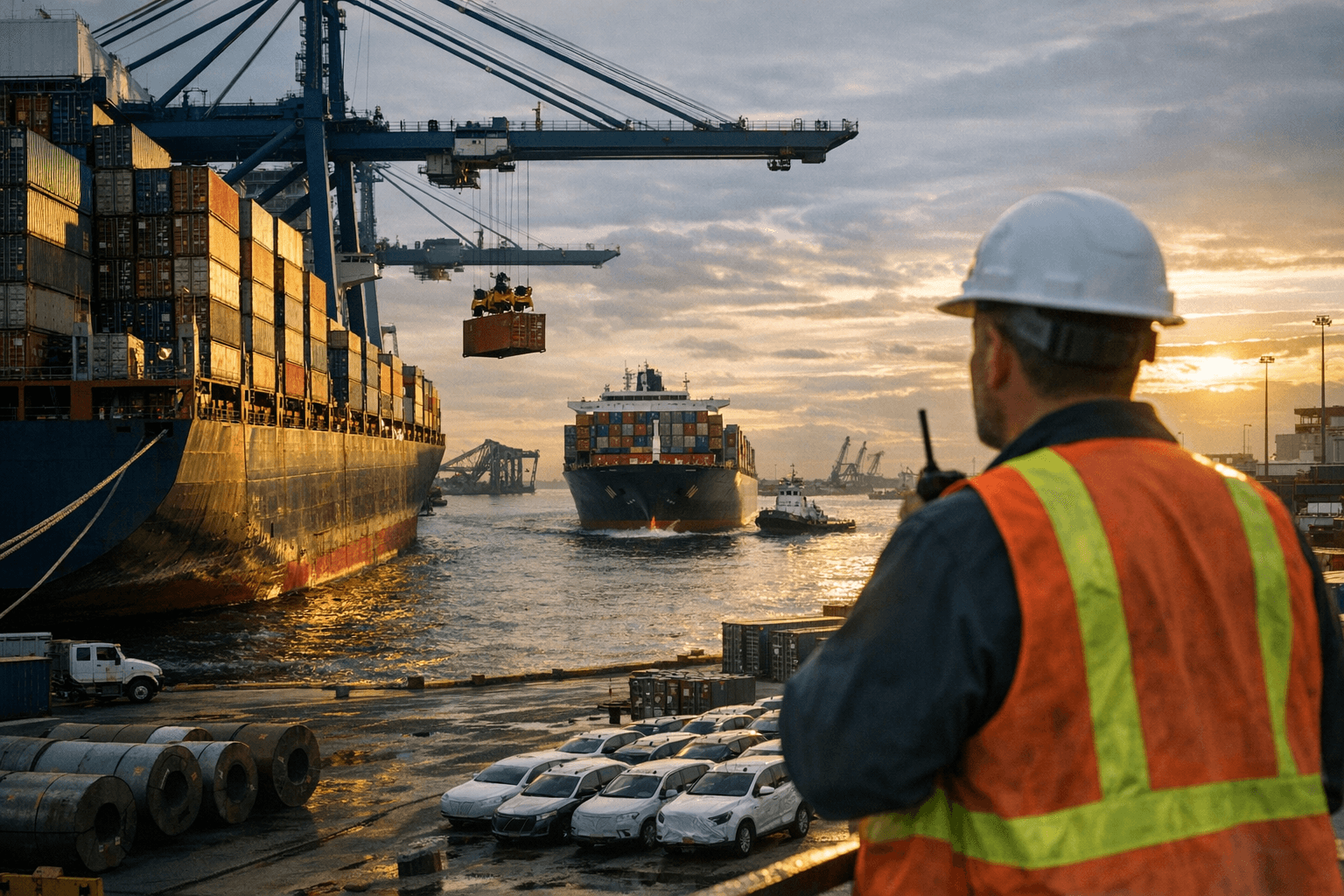
The Port of Baltimore handled 50 million tons of cargo at both its state-owned public and private marine terminals in 2025, surpassing 2024 figures and marking the port's new second-best year on record, capping a turnaround that began less than two years after the Francis Scott Key Bridge collapse sent shockwaves through one of the East Coast's most strategically vital gateways.
The 50 million tons finish trails only the 52 million tons the port moved in 2023. The collapse in March 2024, which killed six workers and shut down access to the Fort McHenry shipping channel, had briefly pushed container volume down 41 percent. After removing around 50,000 tons of debris from the Patapsco River, the port rapidly ramped up, with terminals, especially Ports America Chesapeake's Seagirt Container Terminal, making up for lost time and revenue.
Jonathan Daniels, Maryland Port Administration Executive Director, said the port remains in "rebound and recovery" mode following the collapse. "Our incredible terminal operators, International Longshoremen's Association labor force, truckers, freight forwarders, and our other valued business and supply chain partners deserve full credit for a successful 2025 for the Port of Baltimore," Daniels said. He added: "We are pleased with our year in 2025, but we have bigger things to come."
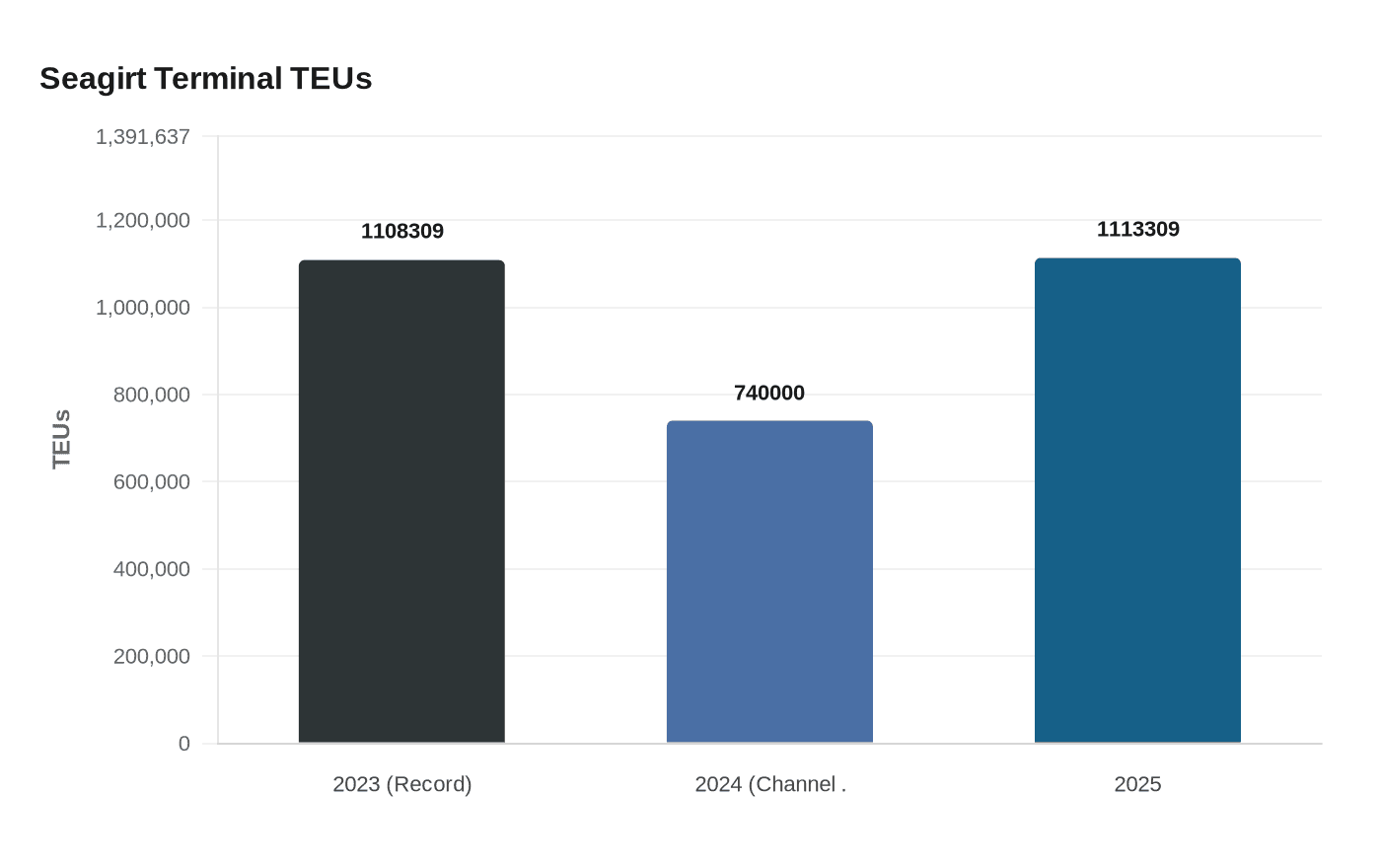
The vessel traffic numbers tell the full story of the rebound. The port handled 2,223 cargo vessel calls in 2025, surpassing the previous record of 2,137 set in 2023 and representing a 21 percent jump over 2024. At Seagirt Marine Terminal, the numbers were equally striking: the terminal processed 1,113,309 TEUs in 2025, exceeding the 2023 record by more than 5,000 containers. Container ship calls at Seagirt climbed to 689, nearly 100 more than in 2023, while weekly scheduled container services expanded from 12 to 15. That container business had bottomed out at roughly 740,000 TEUs in 2024 during the channel closure.
A milestone arrival punctuated the year. In November, the 366-meter Ever Model, with a capacity of more than 15,000 containers, called at Baltimore, becoming the second-largest vessel ever to dock there. The port attributed the visit to modernization investments including the reopening of the 50-foot-deep, 400-foot-wide Fort McHenry channel and the installation of supersized cranes at Seagirt. The port also handled more than 887,000 tons of farm and construction equipment in 2025, a 6 percent increase over 2024 and the highest volume among all U.S. ports.
Gov. Wes Moore credited the workforce behind the numbers. "The Port of Baltimore is a cornerstone of Maryland's economy and one of the most important ports in the country," Moore said. "We are grateful to the workers whose unwavering commitment and resilience made this progress possible. Our administration will continue to promote our port's infrastructure to strengthen our supply chains, drive economic growth in our state, and create more good-paying jobs for our people."
The Port of Baltimore is responsible for an annual economic value of $70 billion, and more than 273,000 jobs in Maryland are tied to the port. Approximately 20,300 of those are direct jobs. The port ranks first nationally for roll-on/roll-off farm and construction machinery, imported forest products, and imported gypsum, and second for autos and light trucks, salt, exported coal, and imported sugar.
The next growth catalyst is already under construction. The $518 million CSX Howard Street Tunnel Project, a modernization of a 130-year-old freight tunnel running beneath the city, is expected to finish in 2026. The upgrade will allow double-stack container trains to move in and out of Baltimore for the first time, adding an estimated 160,000 containers annually to the port's capacity. State officials project the project will support nearly 14,000 jobs. "The commitments we're making now and in future years will continue to advance our multimodal freight network and further accelerate the port's growth and generate additional jobs," said Katie Thomson, Maryland Acting Secretary of Transportation.
This article was produced by Prism’s automated news system from verified source data, official records, and press releases, then run through automated quality and moderation checks before publishing. The system is built and supervised by the people who set the standards it runs under. Read our full AI policy.
Did this article answer your question?