Report Says BGE Profits From Pipeline Work, Ratepayers Pay
A Maryland Public Interest Research Group Foundation report released December 3 alleges Baltimore Gas and Electric is using its Operation Pipeline program to enrich investors while passing roughly 19 billion dollars in costs onto customers. The dispute matters to Baltimore residents because the report has prompted calls for regulatory review and could influence planned 2026 rate increases that would affect household budgets.
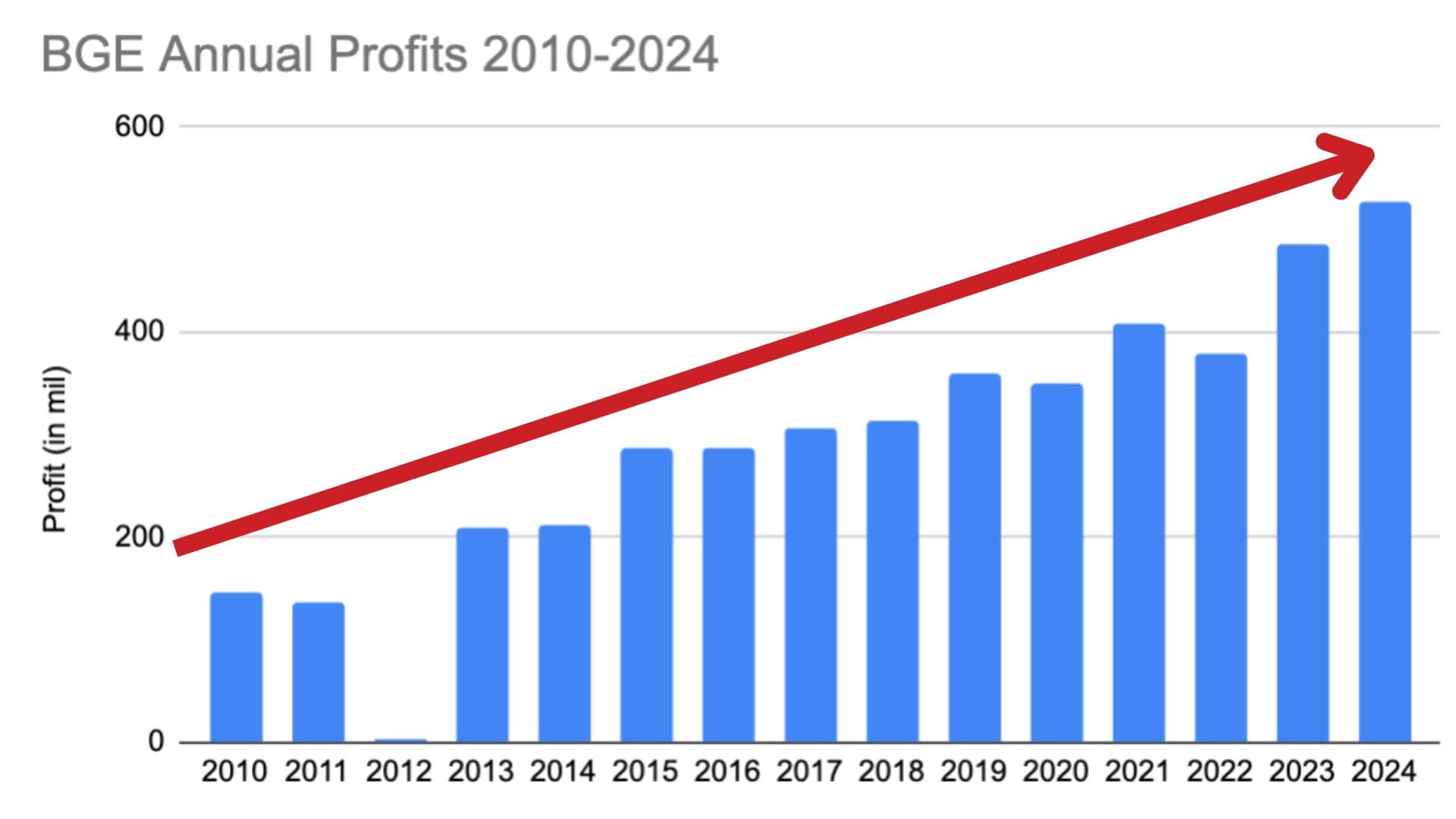
A sharp dispute over utility spending played out outside Baltimore City Hall on December 3 as consumer advocates and elected leaders pressed for scrutiny of Baltimore Gas and Electric. The Maryland Public Interest Research Group Foundation released a report claiming BGE is misusing its long running Operation Pipeline replacement project to boost investor returns while shifting about 19 billion dollars in costs to ratepayers. Advocates called on regulators to open a review and provide an off ramp for planned 2026 rate hikes.
BGE pushed back, calling the report's claims "abject nonsense," and defended Operation Pipeline as necessary safety work. The company emphasized that many mains in its system date to the 1860s and said the project targets the riskiest roughly 12 percent of the network. BGE also noted that the Maryland Public Service Commission reviews and approves planned work and the associated costs before they are collected from customers.
The dispute centers on who bears the financial burden of replacing aging infrastructure. The report alleges that capital spending is structured in a way that benefits investors and allows the utility to recover costs from customers over time. For Baltimore households, the practical stakes are immediate. Planned rate increases next year would raise monthly bills for families and businesses already facing high housing and energy cost pressures in the city.

David S. Lapp, the people's counsel of Maryland, framed the day as a plea for relief for consumers. "Customers simply cannot afford business as usual," he said outside City Hall. Local leaders also urged the Public Service Commission to weigh the report as it evaluates BGE filings and any rate proposals.
Regulatory review could examine cost recovery rules, prudency of projects, and whether alternative financing or pacing of replacements would reduce near term rate impacts. The outcome matters for long term trends in utility finance as many older systems nationwide require large capital programs, and regulators will be balancing safety priorities against affordability. The Public Service Commission is expected to play a central role in determining whether the program, its costs, or the pace of work will change before the planned 2026 adjustments take effect.
This article was produced by Prism’s automated news system from verified source data, official records, and press releases, then run through automated quality and moderation checks before publishing. The system is built and supervised by the people who set the standards it runs under. Read our full AI policy.
Did this article answer your question?