Scott proposes $3 million for Baltimore Clean Corps program
Scott proposed $3 million to keep Clean Corps running as audits flagged reporting and control problems at Civic Works. Critics say Baltimore still has to prove the program can protect public dollars.

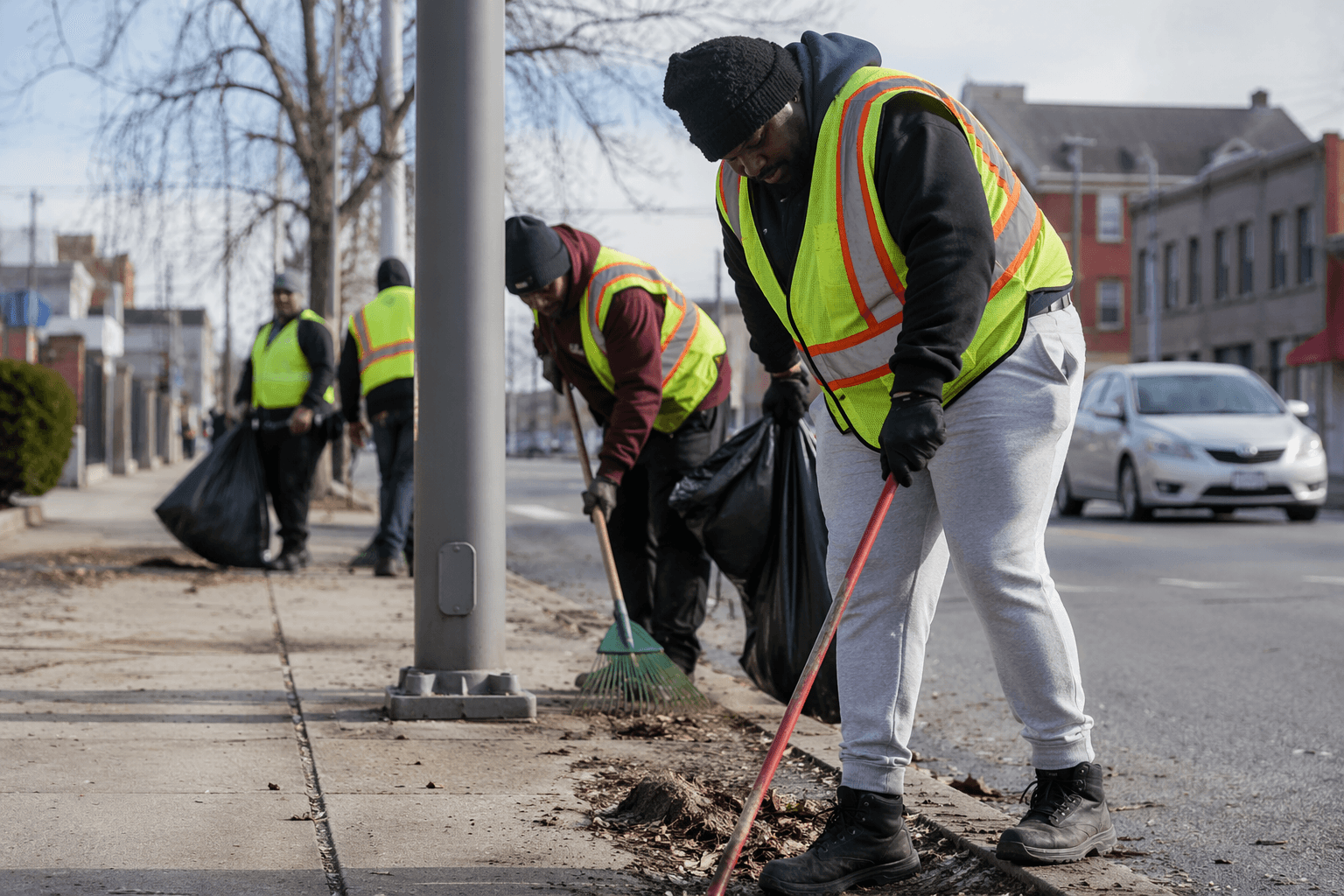
Mayor Brandon Scott has proposed sending $3 million in city money to keep Baltimore’s Clean Corps program alive after federal ARPA funding runs out, putting taxpayer dollars behind a cleanup effort that now sits at the center of a larger fight over oversight and trust. The program, run through Civic Works and Bon Secours Community Works, sends workers into 42 underinvested neighborhoods to clean vacant lots, alleys, sidewalks, tree pits and public trash cans.
City officials say the program does more than pick up litter. Baltimore’s program materials say Clean Corps hires under- and unemployed residents and pairs the work with trauma-informed care, rental assistance, expungement help, GED programs, CDL training, resume support and interview coaching. The city also says residents can follow the work through a dashboard with before-and-after photos, a feature meant to show where the money goes and what changes on the ground.
The budget pitch, however, came with unresolved questions about the nonprofit side of the operation. Civic Works received more than $6 million in federal taxpayer dollars for Clean Corps from 2024 to 2025, and federal single audits for those years found repeated problems with financial reporting, grant compliance and internal controls. Auditors said Civic Works did not qualify as a low-risk auditee in either year, a designation that signals more scrutiny for organizations handling public funds.
One of the sharper red flags came in the 2024 audit, which found a significant deficiency in reporting federal spending after about $1 million in federal expenditures had initially been left off the audit schedules and later corrected. A separate independent audit for the fiscal year ending September 2025, tracked in ProPublica’s nonprofit database, identified another significant deficiency in internal controls. Those findings did not single out Clean Corps as misused money, but they did show a public program operating under a cloud of weak reporting and oversight.
That history has made some city leaders wary of expanding funding before Baltimore resolves older problems. A 2024 Baltimore City Inspector General report found that another nonprofit in the program had its $1.6 million contract terminated and owed about $129,000 in repayments. FOX45 later reported that those funds had not been recovered. The Baltimore City Office of the Inspector General says its mission is to investigate wasteful spending, fraud and wrongdoing, underscoring why the Clean Corps debate has become as much about accountability as cleanup.

Councilman Mark Conway has said he does not want Baltimore to keep sending money to a program with little oversight or accountability when questions of fraud or misuse remain unsettled. Civic Works has said the audits did not find a problem with Clean Corps itself, and FOX45 reported that Dana Stein said he follows conflict-of-interest rules and recuses himself from relevant legislative votes. For Baltimore, the issue is no longer just whether Clean Corps improves blocks and lots, but whether the city can verify results fast enough to justify another round of public money.
This article was produced by Prism’s automated news system from verified source data, official records, and press releases, then run through automated quality and moderation checks before publishing. The system is built and supervised by the people who set the standards it runs under. Read our full AI policy.
Did this article answer your question?