State Agency Knew of ICE Warehouse Plans, Kept Governor in Dark
A Maryland state agency had two weeks' advance knowledge of ICE's plan to convert a Washington County warehouse into a 1,500-bed detention facility — and said nothing to Gov. Wes Moore.
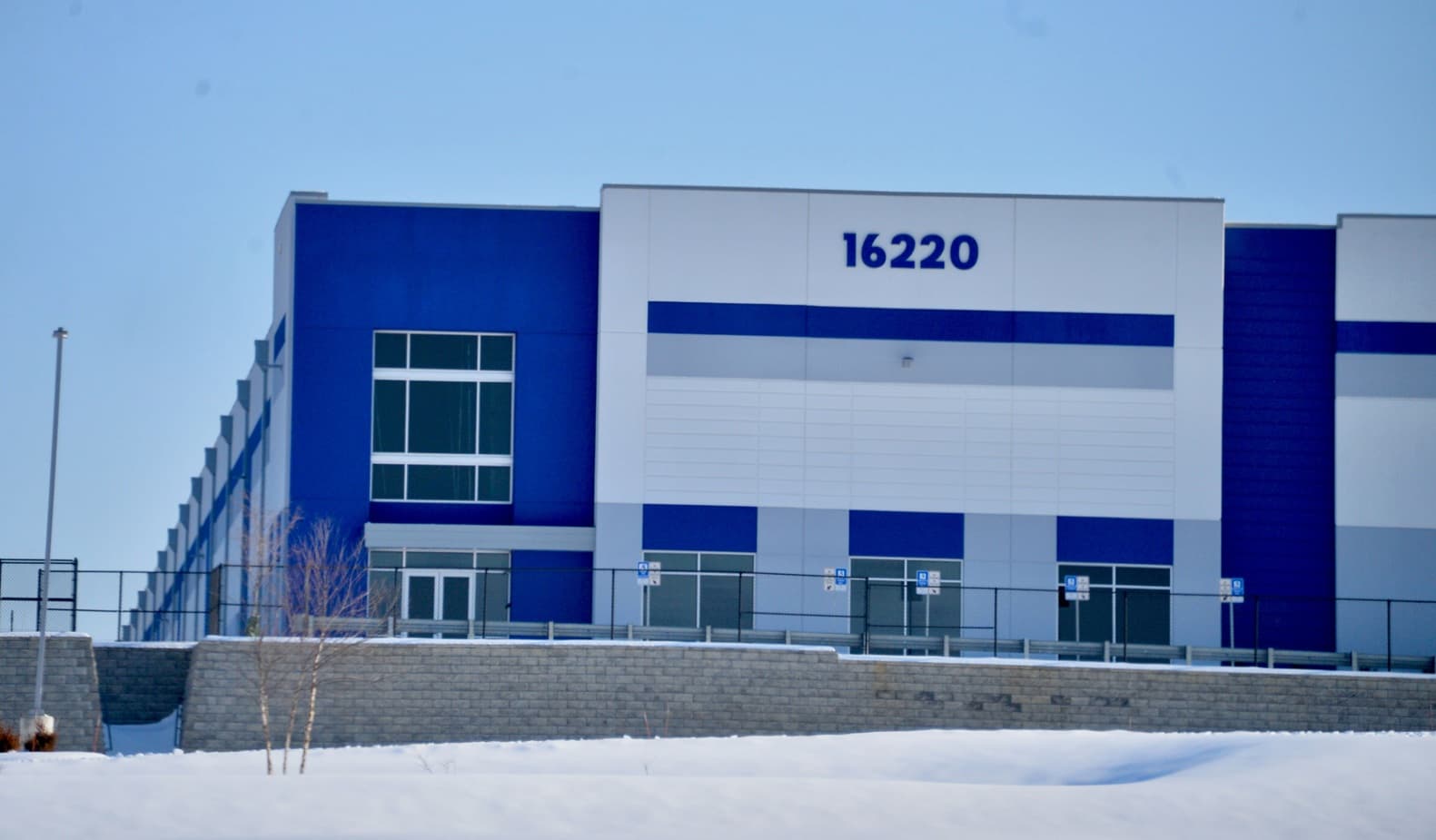
A Maryland state agency sat on advance knowledge of the federal government's plan to convert an 833,280-square-foot warehouse in Williamsport into a 1,500-person immigration detention center for roughly two weeks before the public found out — and never notified Governor Wes Moore's office, raising pointed questions about how a $102.4 million decision affecting thousands of Marylanders moved silently through layers of government.
The Department of Homeland Security purchased the facility at 16220 Wright Road in Washington County — about 60 miles northwest of Baltimore — with the intent to turn it into a 1,500-person immigration detention center. DHS purchased the facility while keeping the state and the public in the dark, spending more than $100 million in federal taxpayer dollars without performing the required environmental review.
The sequence matters. A state agency received word of the planned acquisition well before Maryland lawmakers began publicly seeking answers on January 28, 2026. That two-week window, during which no one alerted the governor or other state officials, represents the clearest example yet of how a consequential federal action can move through bureaucratic channels and arrive at a community's doorstep with no warning and no democratic input.
"Planning a detention facility behind closed doors is not governance — it is intimidation," said Rep. April McClain Delaney, who represents western Maryland. That opacity extended inward, too: state officials with a legal or administrative connection to the property failed to trigger even a basic notification up the chain.
When ICE confirmed the purchase, the agency's spokesperson said the sites "have undergone community impact studies and a rigorous due diligence process to make sure there is no hardship on local utilities or infrastructure prior to purchase." That framing contradicts how the acquisition played out on the ground. In February, Governor Moore sent a letter to then-DHS Secretary Kristi Noem outlining three concerns: the property's conversion from a commercial distribution site meant to support thousands of jobs, the troubling lack of transparency from the Trump administration in the acquisition process, and grave concerns about a facility that could deny basic human needs and dignity.
For Baltimore's immigrant communities and the employers who depend on them, the procedural gap has direct consequences. ICE quietly announced a six-day public comment period late on a Friday in an apparent effort to limit public response. No parallel obligation existed to notify Maryland state agencies, and no state agency that did receive information chose to pass it upward. The result was a community blindsided by a 54-acre, $102.4 million fait accompli.
Maryland Attorney General Anthony Brown filed a lawsuit on March 19, 2026, challenging the purchase and arguing that DHS and ICE are violating federal law by failing to conduct the required environmental review, involve the public, or consult with the state. A federal judge agreed to temporarily halt construction in March. A hearing on whether to extend the stop-work order is scheduled for the week of April 13.
The warehouse was one of dozens slated to be converted into ICE facilities as the agency worked to expand its detention capacity to 92,000 beds nationally. DHS has since begun pausing purchases of new warehouses and reconsidering contracts signed under former Secretary Noem, who was fired in early March.
The transparency failure points toward specific policy remedies that Maryland's legislature could adopt: mandatory inter-agency disclosure timelines requiring any state body with knowledge of a federal acquisition affecting state land-use or infrastructure to notify the governor's office within 48 hours; a public notice floor requiring at minimum a 30-day comment window before any federal facility affecting 500 or more residents can break ground; and a formal consultation protocol between the governor's office and congressional representatives when federal agencies acquire property intended for detention use.
Moore called the lack of transparency "simply unacceptable" and said DHS has demonstrated a "troubling lack of coordination" with state and local leaders. What the two-week silence inside Maryland's own bureaucracy shows is that the breakdown was not only federal. The next facility, wherever it lands, will follow the same invisible path unless the state closes the gap itself.
This article was produced by Prism’s automated news system from verified source data, official records, and press releases, then run through automated quality and moderation checks before publishing. The system is built and supervised by the people who set the standards it runs under. Read our full AI policy.
Did this article answer your question?