State's Attorney Ivan Bates Explains Strategy, Cuts Ties With Mayor
In a December 22 question and answer session with columnist Dan Rodricks, State's Attorney Ivan Bates outlined prosecution strategies, staffing growth, and his office's decision to cut formal ties with the mayor's public safety office. The exchange matters to Baltimore residents because it touches on information sharing, the balance between prosecution and intervention, and how those choices affect violent crime and community trust.
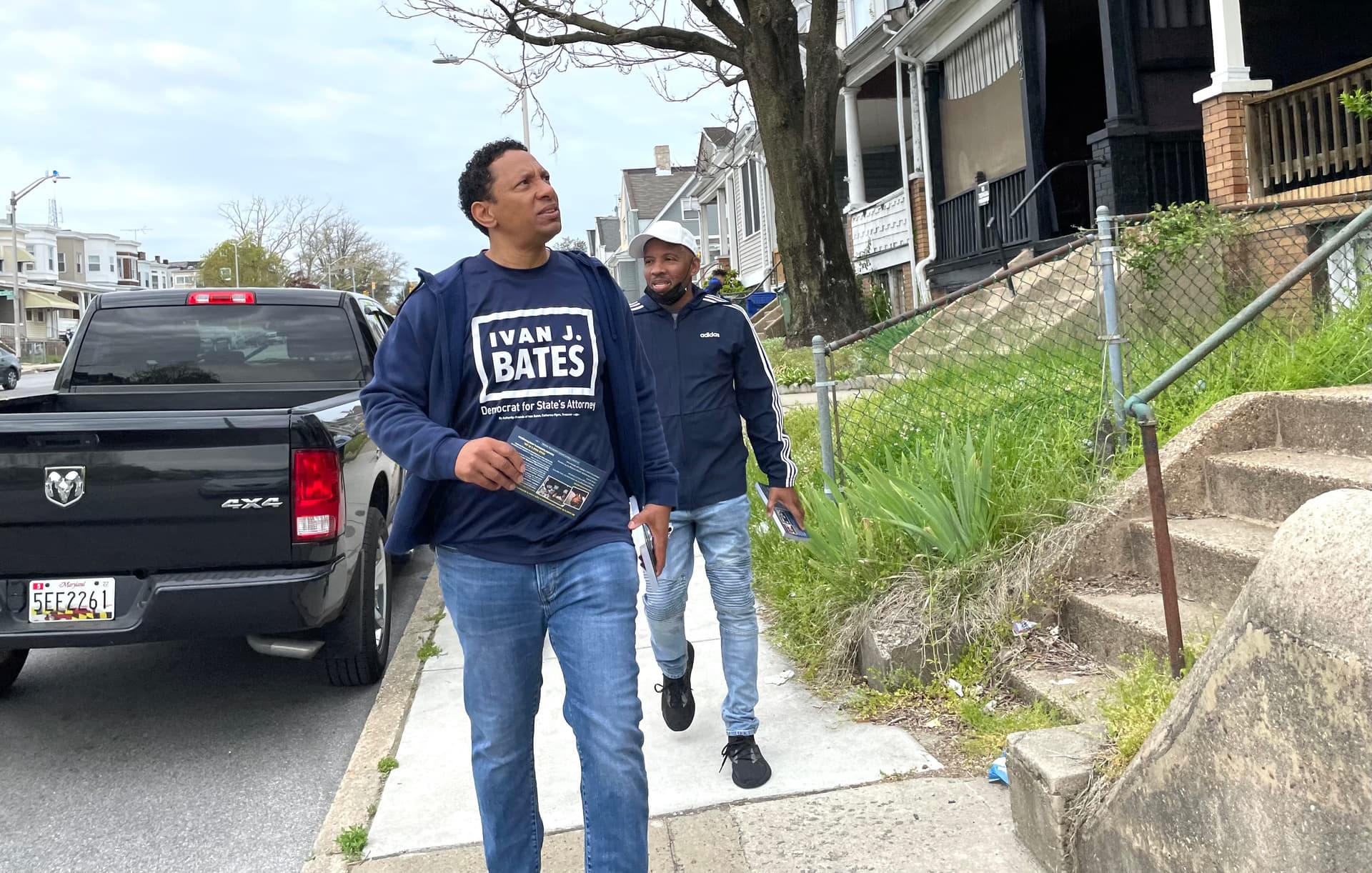
State's Attorney Ivan Bates used a December 22 question and answer session to lay out a stepped up prosecutorial approach and explain why he moved to sever formal coordination with the mayor's public safety office. Bates described substantial staffing growth, a sharpened focus on repeat violent offenders, and continued collaboration with federal partners as central elements of his office's crime fighting strategy.
Bates said his office had grown from roughly 140 prosecutors and support staff to about 200 each, and that the added capacity allowed prosecutors to prioritize cases against repeat violent offenders while pursuing convictions more aggressively. He credited aggressive prosecution, including seeking mandatory five year sentences for certain gun offenses, with contributing to measurable declines in homicides year to date. He also emphasized the Group Violence Reduction Strategy as part of a mixed response that pairs traditional police investigation and court enforcement with intervention programs.
The move to cut formal ties with the mayor's public safety office stemmed from concerns about information sharing. Bates cited instances where assistance provided by the city to victims and witnesses had not been communicated to his prosecutors, a breakdown he said undermined case preparation and witness safety. That dispute has become public, and Bates urged city officials to resolve disagreements privately to avoid damaging public confidence in law enforcement efforts.

The exchange highlighted tensions between prosecution led enforcement and city run intervention services. Bates argued that prosecutions and traditional police work remain essential complements to outreach and prevention programs, and he called for clearer protocols for victim and witness services that ensure prosecutors receive timely information.
For Baltimore residents the implications are immediate. Changes in interagency coordination affect case outcomes, witness cooperation, and perceptions of safety in neighborhoods where quality of life concerns persist even as violent crime statistics show improvement. The public dispute could also influence civic engagement, as voters and community leaders weigh the effectiveness and accountability of competing public safety approaches. Municipal leaders now face the task of rebuilding formal lines of communication while maintaining momentum on crime reduction efforts.
This article was produced by Prism’s automated news system from verified source data, official records, and press releases, then run through automated quality and moderation checks before publishing. The system is built and supervised by the people who set the standards it runs under. Read our full AI policy.
Did this article answer your question?