Wastewater transparency bill dies, frustration grows over Baltimore plant woes
A bill to require public explanations when Baltimore wastewater plants failed died in the Senate, leaving residents still chasing answers on odors, algae and insects.
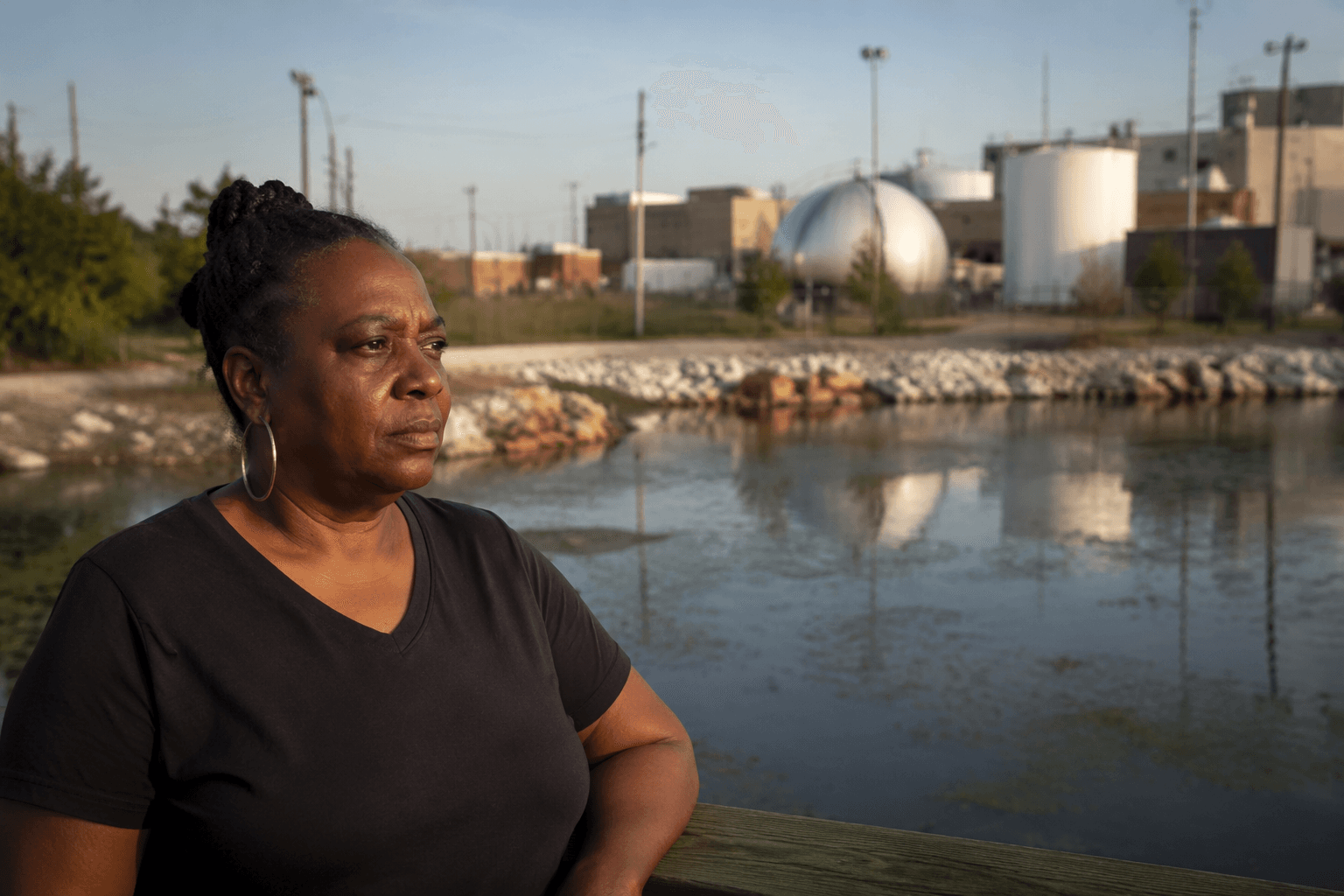
A bill meant to force public explanations when Baltimore City wastewater plants ran into trouble died before becoming law, leaving residents around the Patapsco and Back River facilities still without a clear, fast way to learn what went wrong when the plants smelled, overflowed or triggered other complaints.
The fight landed in everyday Baltimore life. Pasadena resident CJ Canby and other Marylanders said they have dealt with midge flies, foul odors and harmful algal blooms they believe are tied to the city’s wastewater plants. The concern reaches far beyond a single neighborhood: treated water from the Back River Wastewater Treatment Plant in Dundalk and the Patapsco Wastewater Treatment Plant flows into waterways that feed the Chesapeake Bay, raising worries about wildlife, crabbing, recreation and water quality.
Back River is Maryland’s largest sewage treatment facility, processing an average of 100 million gallons of sewage a day and serving about 1.3 million people across the Baltimore region. Patapsco is the state’s second-largest plant, with a present-day capacity of 63 million gallons per day and an estimated service area of 450,000 people across Baltimore City and nearby counties. Together, the plants are central pieces of regional infrastructure, which is why failures there are felt well beyond Baltimore’s city limits.
Del. Robin Grammer sponsored the legislation. It passed the House but never advanced in the full Senate. Supporters cast the measure as a transparency requirement, while the Maryland Department of the Environment said it would have created a costly new program to monitor 532 wastewater plants statewide. The agency later dropped its formal opposition after committee discussions, but the bill still did not move forward.
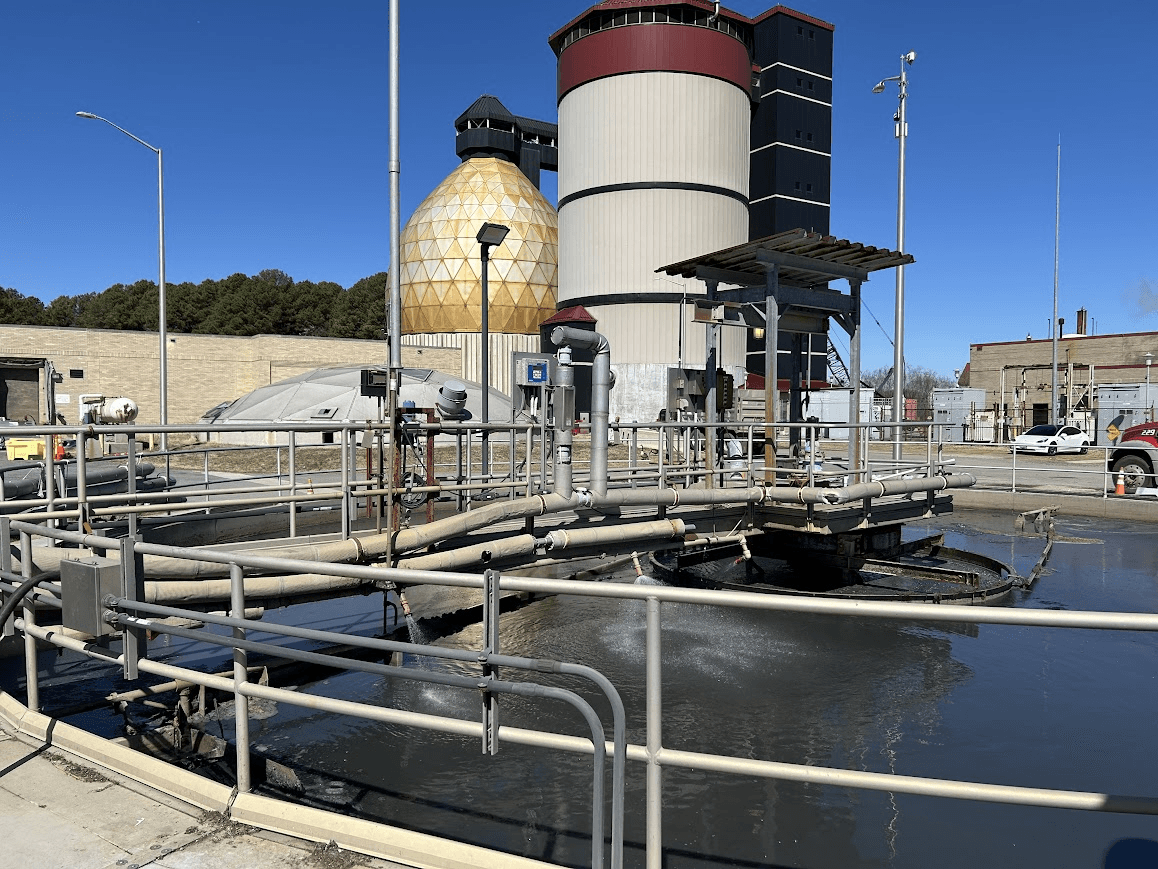
Baltimore City Department of Public Works said the problems residents are seeing are driven by more than one source, including elevated temperatures, stormwater runoff and nutrient loads. The city has also pointed to the wastewater consent decree it entered with the Maryland Department of the Environment and Blue Water Baltimore, a settlement of alleged discharge-permit violations at Back River and Patapsco that requires quarterly public reports on corrective actions, project progress, deadlines, spending and penalties. That decree grew out of a 2022 lawsuit and included a $4.75 million civil penalty in 2023.
The odors and insects have a recent local history of their own. Baltimore County said in March 2024 that nuisance midge levels along Back River had fallen enough to continue treatments, including aerial spraying and in-plant work at the facility. The county said the program cost about $1.26 million a year, split between Baltimore County and the Maryland Department of Agriculture.
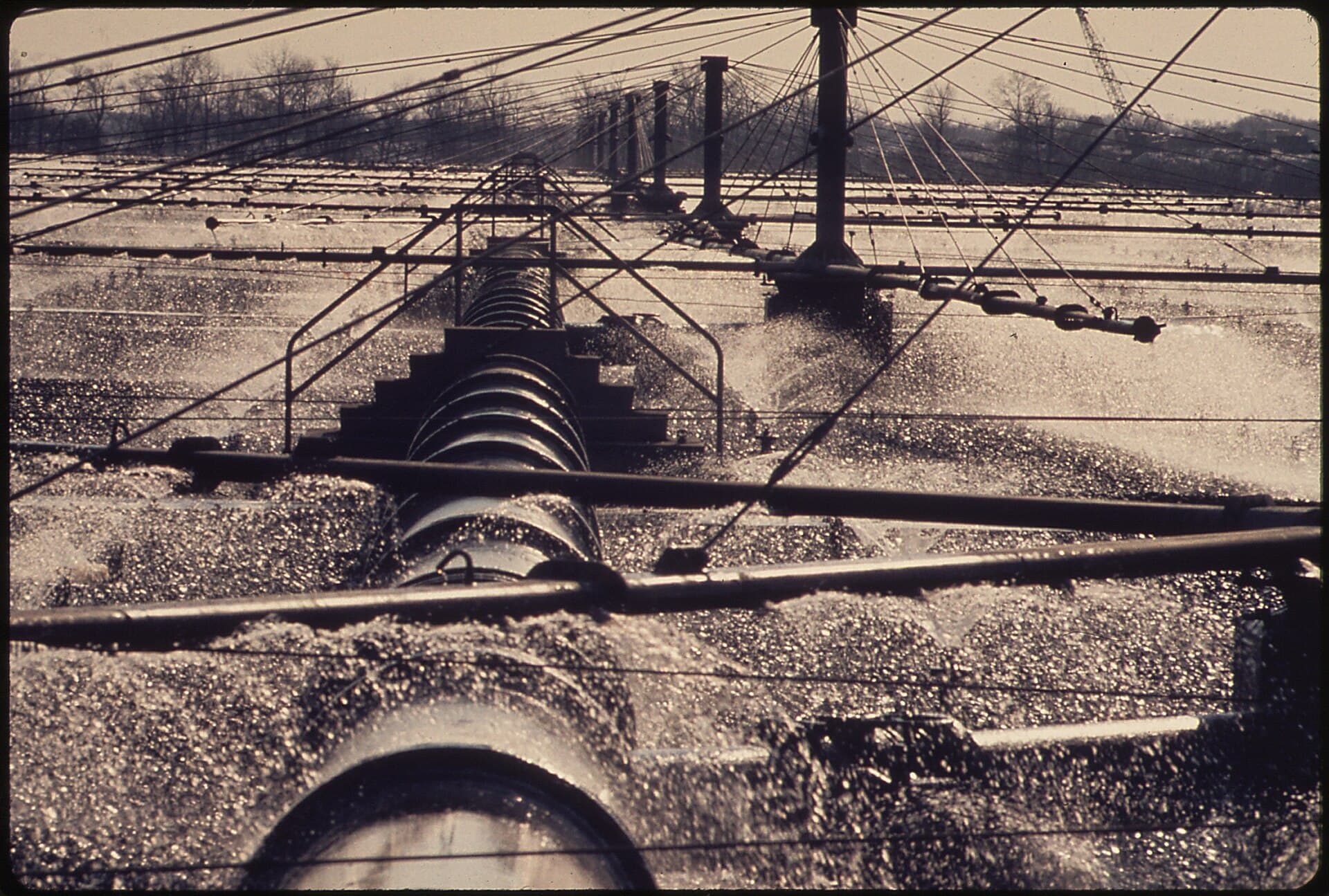
Even after the consent decree, serious incidents have continued. In May 2025, the Patapsco plant reportedly discharged more than 21 million gallons of partially treated effluent, prompting an Anne Arundel County health advisory for the Patapsco River and nearby waters. That episode underscored why residents and advocates say the missing transparency law mattered: when Baltimore’s wastewater plants have problems, the public still wants timely warning, clearer explanations and faster accountability.
This article was produced by Prism’s automated news system from verified source data, official records, and press releases, then run through automated quality and moderation checks before publishing. The system is built and supervised by the people who set the standards it runs under. Read our full AI policy.
Did this article answer your question?