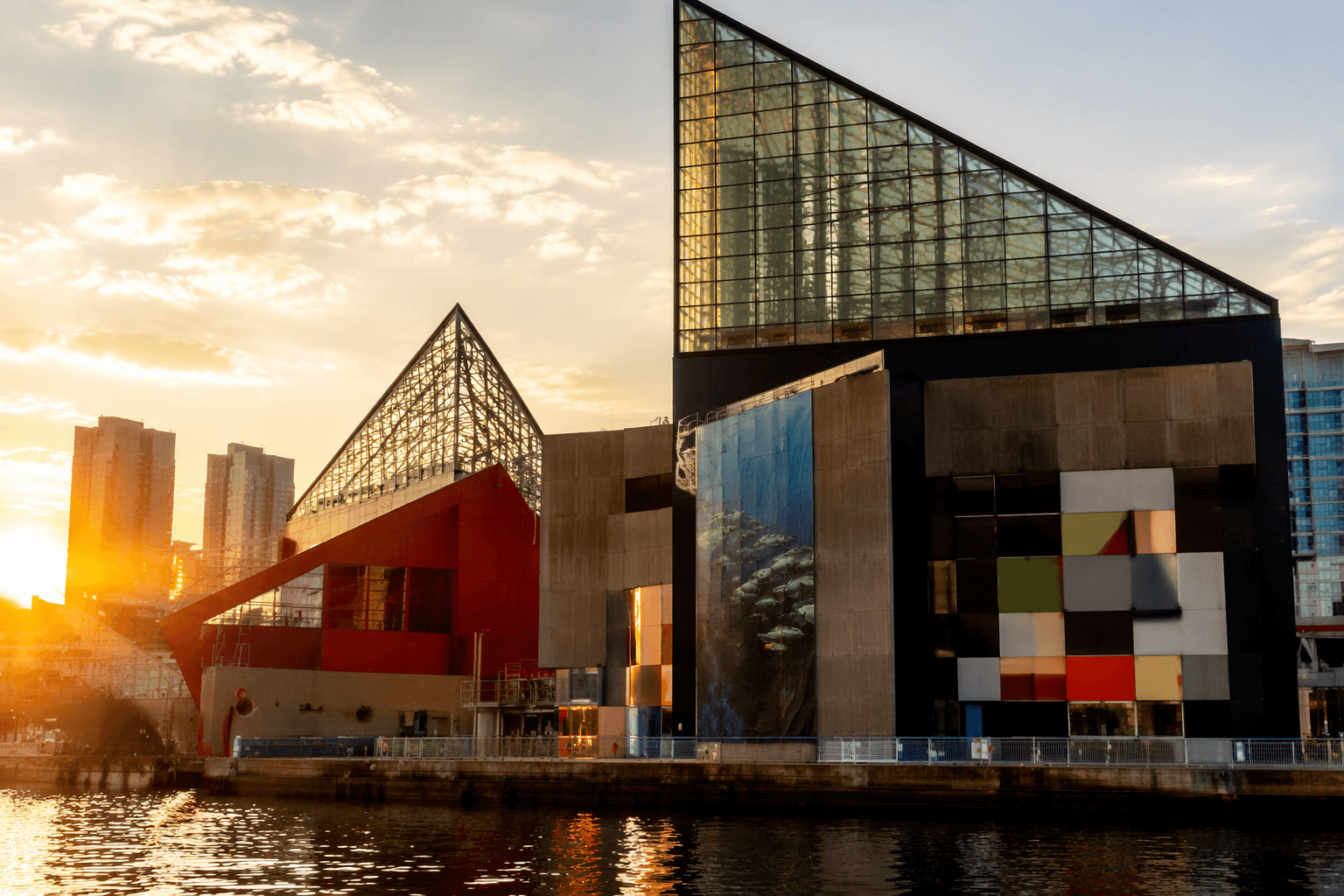
Waymo Brings Fully Autonomous Ride Service to Baltimore, Expanding Access
Waymo announced on December 3 that it will bring its fully autonomous ride service to Baltimore as part of a four city expansion that also includes St. Louis, Pittsburgh and Philadelphia. The company will begin road familiarization drives this week and work with Maryland officials on a regulatory path, a development that could reshape local mobility options and accessibility for residents.
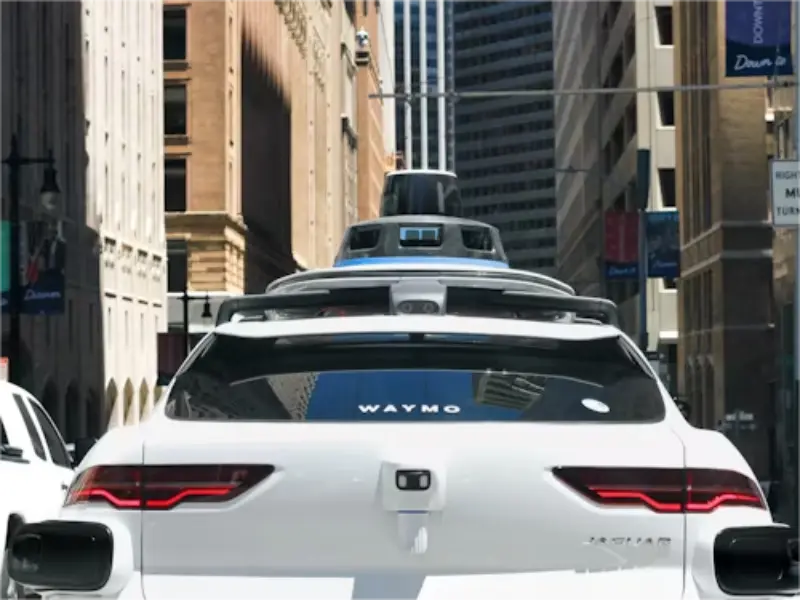
Waymo said Wednesday it will expand its fully autonomous ride service to Baltimore, joining St. Louis, Pittsburgh and Philadelphia in the companys latest growth push. The company plans to begin manually driving its vehicles around the city this week to map streets and gather data ahead of a future launch, and it said it will coordinate with state officials to create a regulatory path for deployment.
Waymo noted that its fleet has driven 100 million fully autonomous miles on public roads, a metric the company cites to support safety and operational readiness. For Baltimore residents the announcement signals a potential new transportation option that could connect neighborhoods to jobs, healthcare and retail, and offer an alternative for people who cannot drive.
Maryland Governor Wes Moore framed the move as part of a broader strategy to attract innovation and economic growth, saying the partnership will "help spur growth, make our roads safer and get more Marylanders from where they live to where opportunity lies." State level collaboration will be required to set rules on vehicle testing, insurance coverage, licensing and local traffic enforcement before a commercial service can begin.
Advocates for disability access responded positively. Mark Riccobono, president of the National Federation of the Blind, welcomed the news and highlighted the federations national headquarters in Baltimore and the potential to shape accessible autonomous mobility. For residents who rely on public transportation or rides from others, autonomous vehicles could increase independence, while also raising questions about affordability and service coverage in low income neighborhoods.
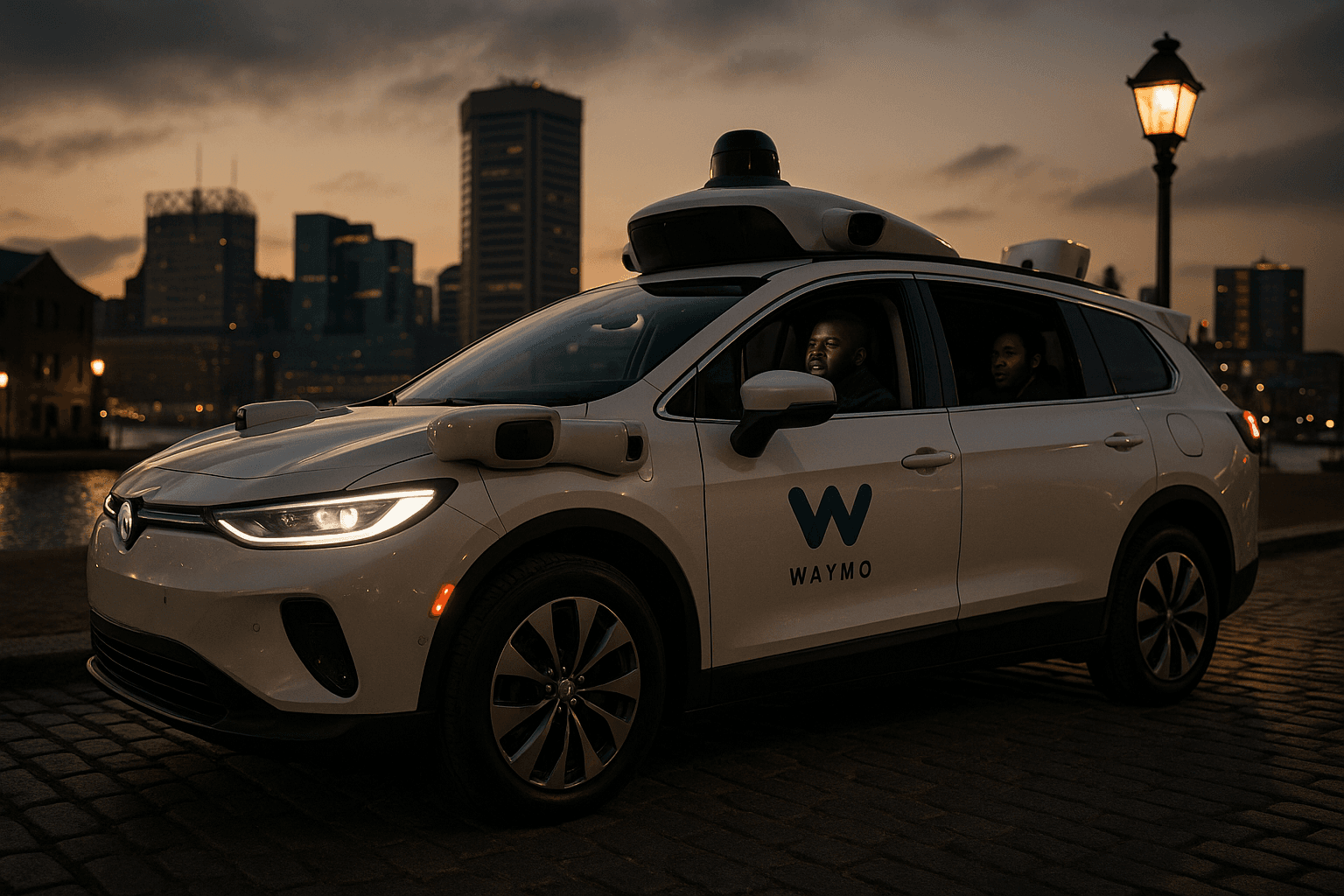
Local market effects include potential new tech jobs, contractor work for mapping and maintenance, and competitive pressure on existing taxi and car service providers. City planners and transit agencies will need to weigh how an autonomous ride service complements public buses and light rail, and whether partnerships can boost first mile last mile connections.
Next steps include regulatory talks between Waymo and Maryland, a public familiarization period as vehicles map the city, and ongoing engagement with community groups to address safety, equity and access. The timeline for a paid service launch was not announced.
This article was produced by Prism’s automated news system from verified source data, official records, and press releases, then run through automated quality and moderation checks before publishing. The system is built and supervised by the people who set the standards it runs under. Read our full AI policy.
Did this article answer your question?