Wes Moore, Leaders Push Bill Banning Dynamic Pricing In Maryland Grocery Stores
Governor Wes Moore and legislative leaders unveiled a bill to ban dynamic pricing in grocery stores, aiming to stop data-driven price differences that could affect Baltimore shoppers.
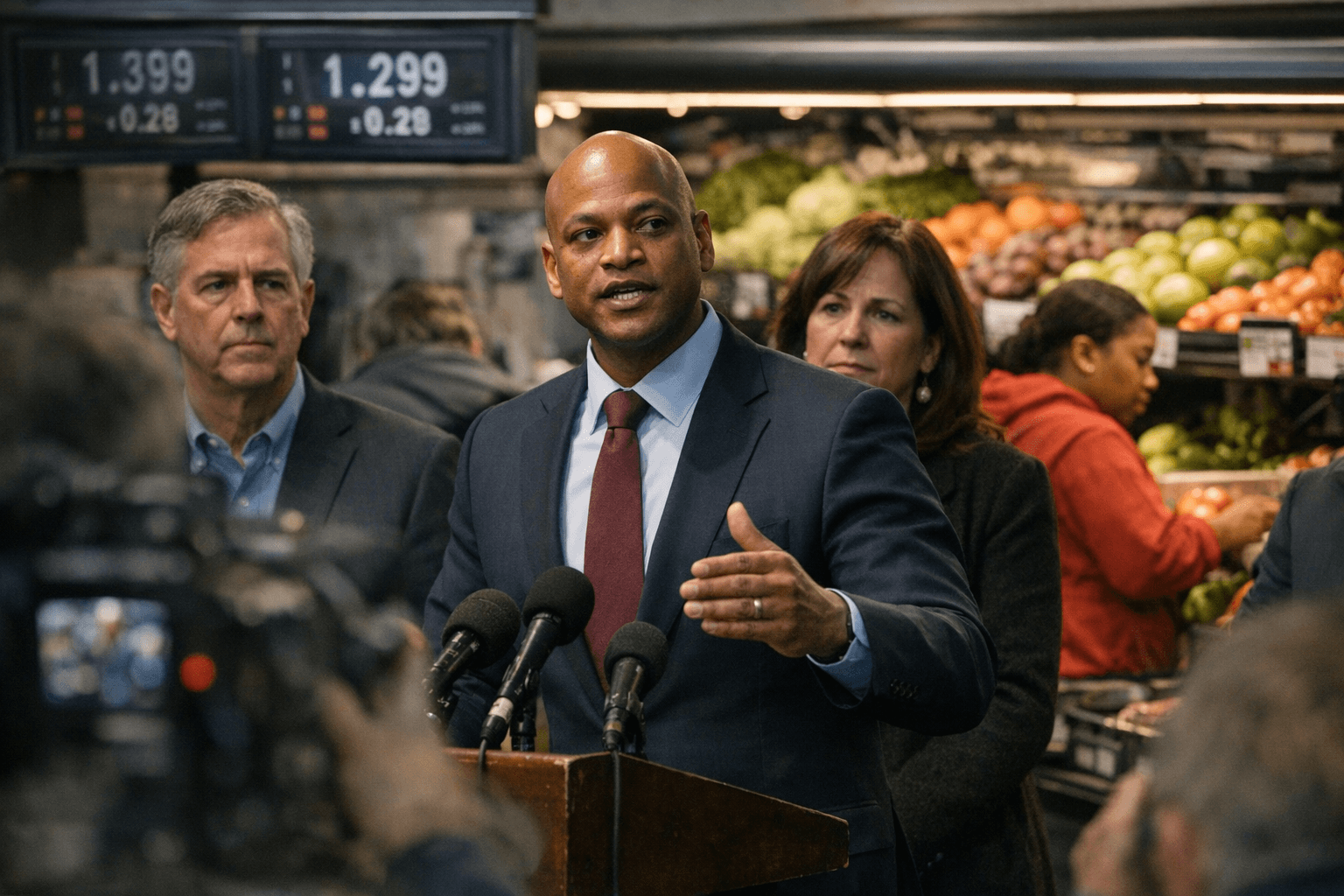
Governor Wes Moore and legislative leaders unveiled legislation designed to prohibit so-called dynamic pricing in Maryland grocery stores, a move aimed at shielding consumers from data-driven price differences for the same items. Supporters framed the proposal as consumer-protection and fairness legislation that responds to concerns about surveillance-driven commerce and opaque pricing algorithms.
The bill was announced on January 20, 2026. Its proposed statutory language would bar retailers from using consumer data or surveillance information to charge different customers different prices for identical products. Backers argue the law would protect shoppers who are more likely to be targeted for higher prices based on purchasing history, device data, or other personal identifiers, a concern that resonates in Baltimore where families already contend with tight food budgets.
Retailers and industry groups pushed back against the proposal, saying the dynamic-pricing problem is overstated and that price variation often reflects ordinary competitive reasons such as promotions, supply costs, and local market conditions. The business response stressed that grocery pricing can fluctuate for many legitimate reasons and warned that a broad ban could interfere with established pricing practices.
The measure now heads into the Maryland General Assembly for consideration during this legislative session. Lawmakers will weigh the statutory definitions and enforcement mechanisms, and committees may hold hearings where grocery chains, consumer advocates, privacy experts, and local community representatives can testify. The legislative process will determine whether policymakers adopt a narrow prohibition limited to algorithmic, individualized price-setting or a broader consumer-protection framework.
For Baltimore residents the stakes are immediate. If passed, the law could curb instances where shoppers receive different prices for the same product based on phone data, loyalty profiles, or in-store tracking. That would particularly affect neighborhoods where supermarket options are limited and where small price differences can make a significant impact on household budgets. Grocery workers and independent retailers may also see changes in how they set and display prices for customers.
The debate touches on broader issues of privacy, technology and fairness in commerce. Baltimore consumers have seen digital tools reshape many aspects of daily life from transit to shopping, and this bill seeks to limit one potential avenue where data could translate into unequal treatment at checkout.
What comes next for Charm City shoppers is a process. Baltimore residents who want to follow or influence the outcome should watch for committee schedules and public testimony opportunities as lawmakers refine the bill. The final vote will determine whether Maryland takes a statutory stand against data-driven price discrimination in its grocery aisles.
This article was produced by Prism’s automated news system from verified source data, official records, and press releases, then run through automated quality and moderation checks before publishing. The system is built and supervised by the people who set the standards it runs under. Read our full AI policy.
Did this article answer your question?