Bamberg County libraries serve residents from Bamberg and Denmark
Two Bamberg County branches keep library access close to home, with computers, online tools and set hours in both Bamberg and Denmark.
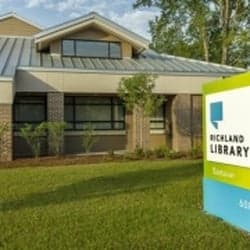
Bamberg County’s library system is not centered in one place. It runs through two physical branches, one in Bamberg and one in Denmark, giving residents a countywide network for books, computers, homework help and online access without having to travel far from either community.
Two branches, two service points
The Bamberg County Public Library sits at 3156 Railroad Avenue in Bamberg, South Carolina 29003, while the Denmark Branch Library is at 5122 Carolina Highway in Denmark, South Carolina 29042. Those addresses matter because they show how the county has built public-library access around the places people already live and travel, rather than around a single downtown stop.
The arrangement fits Bamberg County’s geography and history. The county was established in 1897, after it was formerly part of Barnwell County, and both the county and its county seat were named for William Seaborn Bamberg and members of the Bamberg family. That history helps explain why public institutions in the county often serve more than one town and why the libraries function as paired local anchors instead of a one-location system.
What each branch offers
Both branches are built to do more than hand out books. The Bamberg County Public Library lists 4 public computers and 3 children’s AWE computers, while the Denmark Branch Library lists 4 public computers and 2 children’s AWE computers. That makes each location useful for residents who need to check email, complete an application, search the catalog, or give a child a structured digital learning space.
The manager at the Bamberg County Public Library is Jennifer Hiatt. The Denmark Branch Library is managed by Imagen Kinard. Naming the managers matters because it gives residents a clear point of contact at each branch and reinforces that these are active public-service locations, not self-serve rooms with no local leadership.
The computer counts also show how important the libraries are for basic access. In a county where residents may need a reliable connection for schoolwork, job searches or government forms, the branches act as practical civic infrastructure. Families can use the children’s AWE computers for early learning, while adults have a place to work without depending on a private subscription or a home connection.
Hours that shape how residents use them
The Bamberg County Public Library keeps the longest schedule of the two branches. It is open Monday through Wednesday and Friday from 10:00 a.m. to 6:00 p.m., Thursday from 10:00 a.m. to 7:00 p.m., and Saturday from 10:00 a.m. to 2:00 p.m. Those hours give Bamberg residents a mix of weekday and Saturday access, with the Thursday evening extension standing out for people who cannot get there during the workday.
The Denmark Branch Library is open Monday through Thursday from 10:00 a.m. to 1:00 p.m. and 2:00 p.m. to 5:00 p.m. That schedule serves Denmark as a daytime branch with a midday break, which makes it especially relevant for errands, quick computer use and afternoon visits. Together, the two schedules show a system designed around different local rhythms rather than a single countywide timetable.
ABBE also posts system news about changes such as new Wi-Fi hours and new branch hours. That is a useful sign that the library system is actively adjusting public access, especially around internet use and branch operations. For residents, the key point is simple: the libraries are not static buildings, and their service patterns can change when the system updates hours or connectivity.
Part of a larger regional network
Bamberg County’s two branches are part of the ABBE Regional Library System, which also includes libraries in Aiken, Barnwell and Edgefield counties, along with an outreach van. That larger structure matters because it means Bamberg County residents are connected to a regional public-library network, not an isolated county collection.
The system’s homepage highlights catalog access, digital resources, reserve-a-room functions and library locations. Those services extend the value of the physical branches. A resident can search materials online, use digital tools from home, or reserve space when a meeting, study session or small community gathering needs a place to happen.
One directory source reports that the ABBE Regional Library System maintains 251,524 volumes and circulates 604,288 items each year. Those figures place the Bamberg County branches inside a substantial shared collection and circulation network. Even though the local buildings are small enough to feel personal, they draw on a regional system with a much larger reach.
Why the Denmark branch matters for the town it serves
The Denmark Branch Library has a particularly local role because it serves the City of Denmark, which one directory source lists at 3,084 residents. That makes the branch an important everyday institution for a relatively small municipality inside the county. Its 4 public computers and 2 children’s AWE computers give the town a ready-made access point for basic digital needs.
The Bamberg County Public Library, by contrast, sits in the county seat and reflects the central role Bamberg plays in county government and public services. With its longer hours and Saturday access, it serves as the county’s more flexible branch for readers, students and residents who need a wider window of access.
Taken together, the two branches show how Bamberg County delivers library service across different communities without forcing residents into a one-size-fits-all model. The addresses, hours, computer access and named managers make that system concrete. For a county with roots in both Bamberg and Denmark, the library network remains one of the clearest examples of public service built close to where people live.
This article was produced by Prism’s automated news system from verified source data, official records, and press releases, then run through automated quality and moderation checks before publishing. The system is built and supervised by the people who set the standards it runs under. Read our full AI policy.
Did this article answer your question?

