Bamberg County's Historic Sites Preserve Lowcountry Architecture and Rural Heritage
Fifty-six historic buildings, an 1856 church that survived the Civil War, and a preserved battlefield make Bamberg County one of the Lowcountry's most underrated heritage destinations.
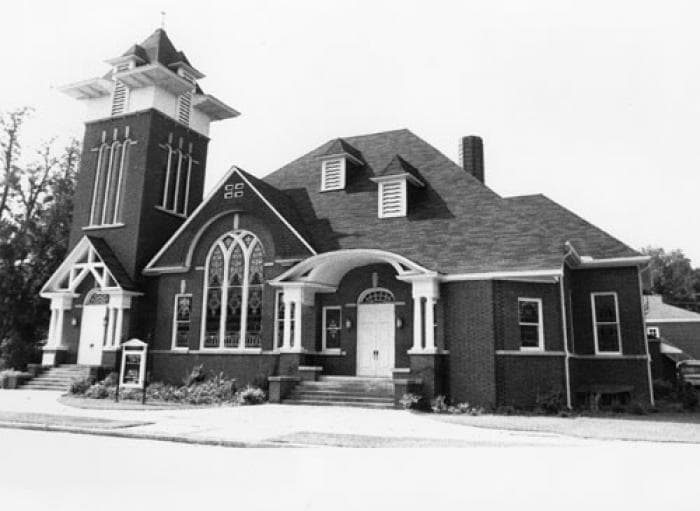
Fifty-six contributing buildings line the blocks around East Railroad Avenue, a Civil War-era church still holds services near Olar, and earthworks from the final weeks of the Civil War survive intact along the Salkehatchie River. Bamberg County is small in population, but the depth and variety of what it has preserved across nearly two centuries of Lowcountry history is remarkable.
The Bamberg Historic District: Reading a Town in Brick and Frame
The Bamberg Historic District anchors the county seat's downtown and remains the most accessible entry point into the area's architectural history. Concentrated along East Railroad Avenue, 2nd Street, and their adjoining blocks, the district preserves an intact cross-section of late 19th- and early 20th-century residential and commercial construction. Its National Register of Historic Places entry documents roughly fifty-six contributing buildings, each one a record of how rail lines and the timber and agricultural trades shaped both the economy and the built fabric of a small county seat during its most formative decades.
Walking the district is practical for most visitors. Historic markers and the visible architectural features of the storefronts, period frame houses, and brick commercial blocks allow self-guided interpretation without specialized knowledge. The streetscape itself tells the story: the concentration of development along the railroad corridor reflects the direct relationship between freight commerce and town growth that defined much of the rural South in this era. No guided tour is required to read that relationship in the architecture.
Mizpah Methodist Church: Antebellum Faith and an Intact Cemetery
A few miles from Bamberg, near Olar in what was historically known as the Buford's Bridge settlement, Mizpah Methodist Church stands as one of the county's oldest surviving religious structures. The building dates to 1856, and its National Register nomination emphasizes Greek Revival and Gothic Revival design elements that are increasingly rare in rural Lowcountry settings. The church has functioned as a continuous locus of worship since the antebellum period, giving it a layered significance that extends well beyond its architectural merit.
The adjacent cemetery deepens that significance considerably. Early gravestones document family names and community connections that reach back to the mid-19th century, and reading those markers is one of the more immediate ways to encounter what life and loss looked like in Bamberg County before and after the Civil War. Local tradition holds that Mizpah was among the few structures in its area to survive the Civil War operations that swept through the region, a distinction that adds interpretive weight to every structural detail the building has retained. For anyone interested in religious architecture, community memory, or the human texture of rural history, Mizpah rewards a careful visit.
Rivers Bridge State Historic Site: Where the Carolinas Campaign Reached Bamberg County
Rivers Bridge State Historic Site is the county's most formally interpreted Civil War resource and occupies a distinct place in the broader national story of the war's final months. The site preserves the location of an 1865 engagement during the Carolinas Campaign, the Union push through the Carolinas that followed Sherman's March to the Sea. Confederate forces used earthworks along the Salkehatchie River to delay the Union advance, and those earthworks survive today as one of the most intact examples of this phase of the war's physical landscape.
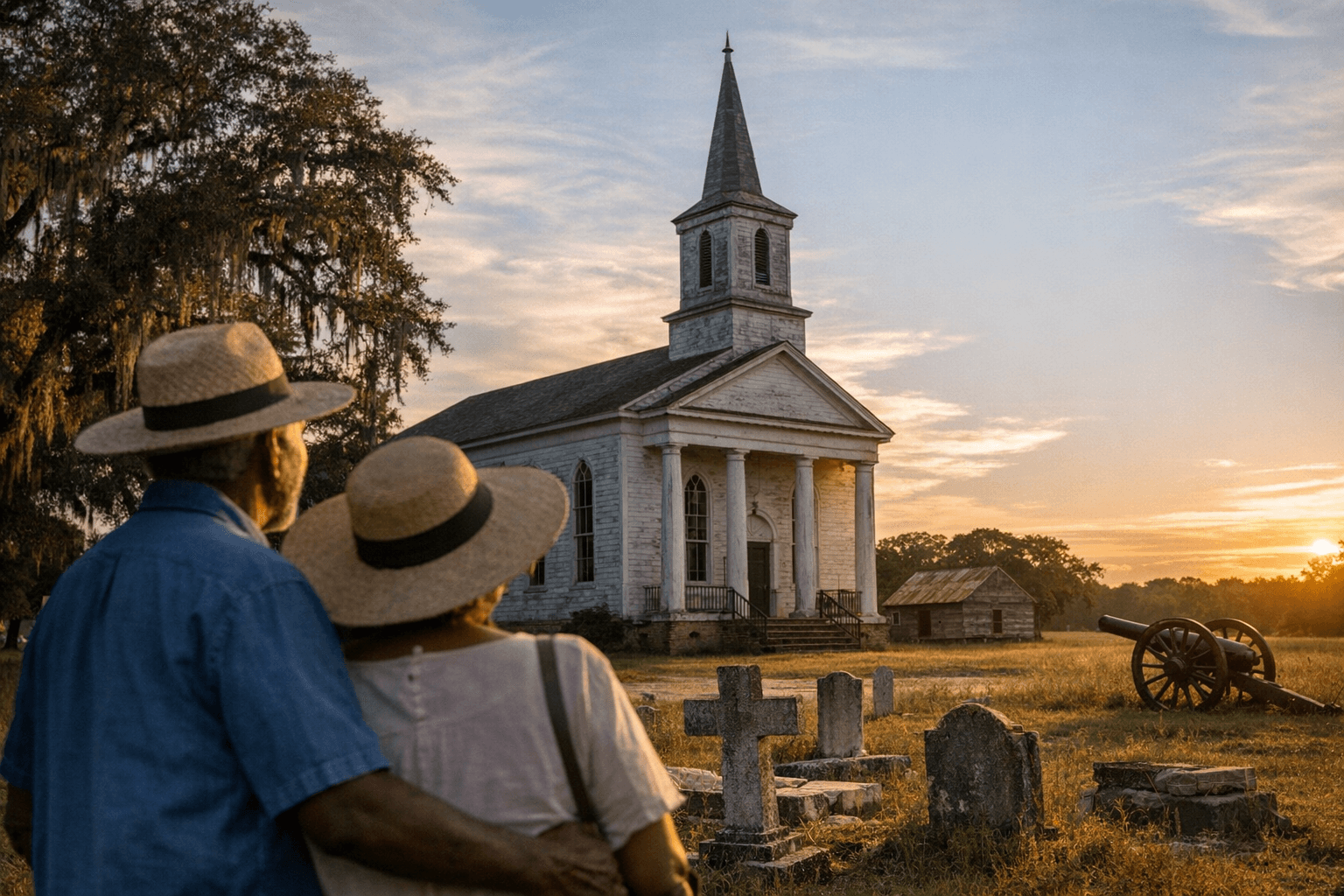
The park's Visitor Center and interpretive trails place the local engagement within the Carolinas Campaign's larger strategic arc. Museum displays, signage along the trail network, and the earthworks themselves combine to make Rivers Bridge suitable for school groups, families, and anyone approaching battlefield preservation seriously. One practical note: interpretive programming and seasonal closures can vary, so checking the park's current hours and event schedule before visiting will prevent a wasted trip. The site is managed as a South Carolina State Historic Site, and the programming calendar tends to shift with the seasons.
Planning a Visit: What to Know Before You Go
Most of Bamberg County's historic properties are accessible during standard self-guided visits. The Bamberg Historic District requires nothing more than a walk through downtown Bamberg; the architecture, markers, and streetscape provide the interpretive framework. Rivers Bridge State Historic Site has a staffed Visitor Center and structured trails, making it the most visitor-ready of the county's preserved sites.
Mizpah Methodist Church and other properties with private or institutional stewardship require a bit more planning. For sites on private land or under the care of a church or preservation organization, contacting the steward in advance, whether that is the church office, a local preservation group, or the South Carolina Department of Archives and History, is the most reliable way to confirm access and find out about any scheduled public events. Trespassing onto private historic properties, even with good intentions, puts relationships between the public and stewards at risk and should be avoided.
For anyone who wants to go deeper before visiting, the SC Historic Properties Record maintained by the South Carolina Department of Archives and History contains nomination forms, significance statements, and photographs for most National Register-listed properties in the county. The National Register database through the National Park Service is a parallel resource. Both are worth consulting to understand each site's period of significance, architectural classification, and historical context before setting out.
Why Preservation Here Has Stakes Beyond Tourism
The practical value of what Bamberg County has preserved extends beyond heritage tourism, though that dimension matters too. Historic districts and individually listed properties anchor community identity in ways that are difficult to replicate after demolition. They provide ready-made educational resources for school groups and civic organizations, and they give small-town businesses and nonprofits a platform for programming that draws visitors and spending into the local economy.
For county planners and preservation advocates, the work of maintaining these sites, through regular upkeep, interpretive investment, and community events tied to the historic calendar, represents a measurable strategy for small-town sustainability. Bamberg County's built heritage is neither a museum piece nor a development obstacle; it is an active asset. The fifty-six buildings in the historic district, the 1856 church near Olar, and the earthworks along the Salkehatchie each hold a piece of something that, once lost, cannot be reconstructed from a database entry or a photograph.
This article was produced by Prism’s automated news system from verified source data, official records, and press releases, then run through automated quality and moderation checks before publishing. The system is built and supervised by the people who set the standards it runs under. Read our full AI policy.
Did this article answer your question?

