Bamberg County's Top Historic Sites and Attractions for Visitors and Residents
Bamberg County packs surprising historic depth into a small footprint, with its best sites clustered around the county seat and the college town of Denmark.
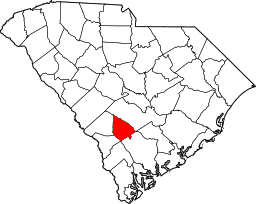
Few corners of South Carolina reward slow exploration quite like Bamberg County. Despite a modest population, this compact Lowcountry county holds a genuine concentration of historic and cultural attractions, most of them anchored in two distinct communities: Bamberg, the county seat, and Denmark, the campus town that gives the county much of its intellectual and civic energy. Whether you are driving through for the first time or have lived here for decades without fully exploring your own backyard, the sites described below offer a grounded introduction to what makes this county worth your time.
Bamberg: The County Seat and Its Historic Core
The town of Bamberg serves as the natural starting point for any exploration of the county. As the county seat, it holds the administrative and historic center of gravity, and its downtown streetscape preserves architectural details that reflect the region's development through the late nineteenth and early twentieth centuries. Walking the main corridors gives a sense of how a small Southern county seat organized itself around commerce, government, and community life before the era of highway sprawl.
The courthouse square and surrounding blocks repay careful attention. County courthouses in South Carolina's smaller counties often served as the architectural centerpiece of civic ambition, and Bamberg's is no exception. The concentration of historic buildings within walkable distance of each other makes this one of the more accessible small-town historic cores in the region, requiring no special equipment beyond a willingness to slow down and look.
Local residents who have spent years passing these buildings without stopping often report that a deliberate walking tour reframes their understanding of where they live. The details are in the brickwork, the signage remnants, and the institutional buildings that have quietly outlasted the businesses and agencies that once filled them.
Denmark: Campus Energy and Cultural History
About nine miles from Bamberg, Denmark offers a different but equally compelling experience. Its identity as a campus town shapes everything from its street life to its cultural programming, and the presence of higher education institutions has made it a site of significant historical events, particularly in the context of civil rights and African American educational history in South Carolina.
Denmark's historically Black colleges and universities carry histories that extend well beyond their academic missions. These institutions were founded during and after Reconstruction to provide educational access that was systematically denied elsewhere, and their campuses contain buildings, archives, and memorial spaces that document that struggle with specificity. For anyone interested in the deeper history of race, education, and community resilience in the American South, Denmark's campuses are primary sources, not just backdrop.
The town itself reflects the layered history of a community built around these institutions. Local churches, civic organizations, and family names in Denmark are often directly connected to the colleges, creating a density of historical meaning that rewards conversation with longtime residents as much as it rewards reading plaques.
Navigating Between Sites
Because Bamberg County's key attractions are concentrated in two towns situated roughly nine miles apart, getting the most out of a visit is largely a matter of planning your route rather than managing logistics. Both Bamberg and Denmark are navigable on foot once you arrive, but the county's rural character means a car is essential for moving between them.
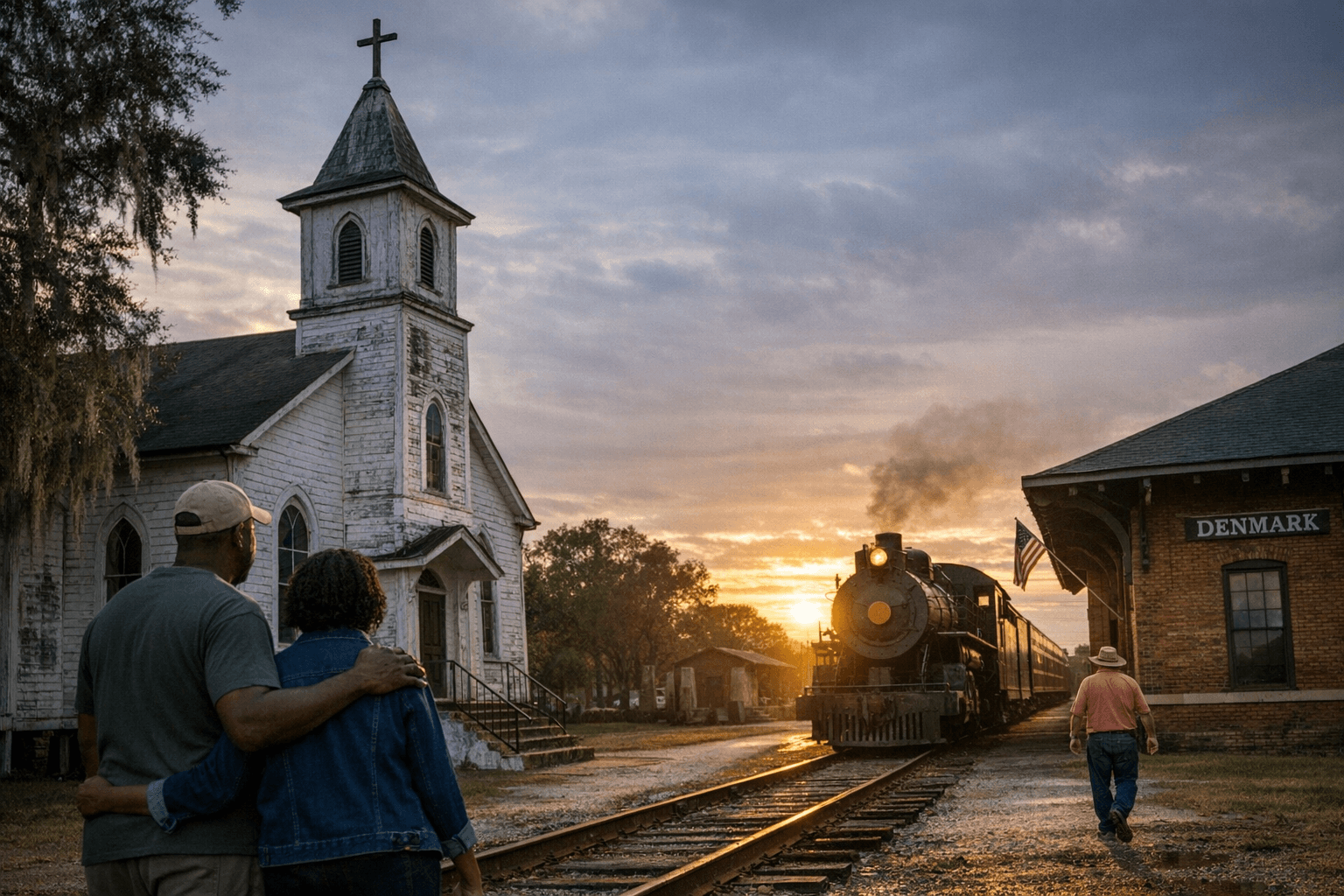
A practical approach:
- Start in Bamberg in the morning when light is best for photographing the historic downtown
- Move to Denmark by midday to allow time on the college campuses, which often have their own visitor resources
- Allow time for unplanned stops along the county roads between the two towns, where markers and small historic sites occasionally appear without advance notice
The county's small scale is an asset here. Unlike heritage tourism in larger regions where distances between sites add hours to a day, Bamberg County allows you to cover its primary historic corridor in a single focused day without feeling rushed.
What Makes Bamberg County's History Distinctive
Bamberg County's historical significance is not the kind that dominates national textbooks, and that is precisely what makes it interesting. The history here is local in the best sense: it reflects the specific decisions, conflicts, institutions, and personalities that shaped one small piece of South Carolina over generations. The county's story intersects with broader themes of Reconstruction, agricultural transformation, civil rights, and the economics of the rural South, but it does so through particular people and places rather than abstractions.
That local specificity is the strongest argument for taking the county's historic sites seriously. National narratives about the South are easy to find; what is harder to find is the granular, place-specific record of how communities like Bamberg and Denmark actually lived through those larger forces. The sites here offer that record, and they are more accessible than comparable sites in larger, more heavily touristed counties.
Practical Considerations
Before visiting, it is worth checking current hours and access for specific sites, particularly on the college campuses in Denmark, which may require coordination with campus visitor offices. The county's rural setting means that some historic markers and smaller sites are not staffed and can be visited at any time, while institutional sites have their own schedules.
Engaging with local residents and staff at these sites consistently produces information that no sign or brochure captures. Bamberg County's historical community is small enough that the people most knowledgeable about its past are often directly reachable, and that human access to local expertise is one of the county's genuine advantages over larger heritage destinations.
The combination of an architecturally coherent county seat, a campus town with deep roots in African American educational history, and a compact geography that makes both accessible in a single day gives Bamberg County a profile that is easy to underestimate and hard to forget once you have actually walked its streets.
This article was produced by Prism’s automated news system from verified source data, official records, and press releases, then run through automated quality and moderation checks before publishing. The system is built and supervised by the people who set the standards it runs under. Read our full AI policy.
Did this article answer your question?

