Dense fog advisory disrupted Bamberg County morning commute
Dense fog on Jan. 5 cut visibility to one quarter mile or less, making early-morning driving hazardous for Bamberg County residents.
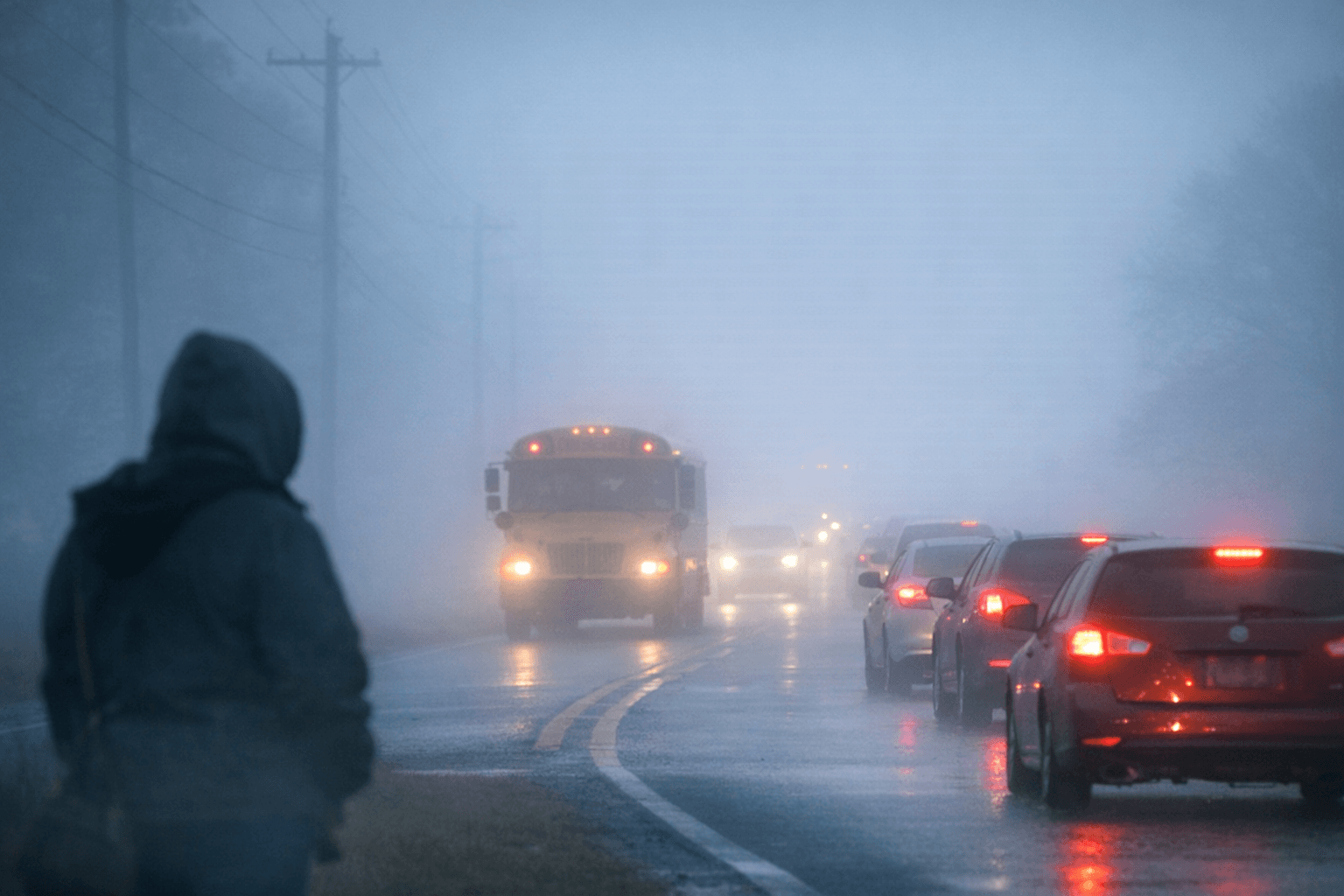
Early on Jan. 5, a dense fog advisory issued by the National Weather Service in Columbia, South Carolina, produced hazardous low-visibility conditions that affected Bamberg County and neighboring counties. The advisory identified visibility of one quarter mile or less and warned drivers to expect rapid changes in visibility during the early-morning hours.
The advisory was recorded as effective Jan. 5 from 12:51 AM to 7:00 AM, with the NWS listing Bamberg among the central South Carolina locations covered. The advisory area also included Burke, Chesterfield, Lee, Sumter, Barnwell, Calhoun, Clarendon and parts of Orangeburg counties. NWS guidance for motorists included slowing down, using headlights and leaving extra distance, precautions aimed at limiting crashes on area roads and highways used by Bamberg commuters.
The immediate impact was concentrated on commutes that normally begin before sunrise and on commercial traffic moving local goods. Dense fog reduces road capacity because drivers lower speed and increase following distance, which lengthens trip times and can trigger cascading delays for school transportation, shift workers and freight haulers. For Bamberg County businesses that depend on morning deliveries or early-shift labor, even a few hours of reduced visibility can translate into late arrivals and short-term productivity losses.
From a municipal finance perspective, repeated fog-related incidents raise operational costs. Slower traffic and higher crash risk can increase demands on county transit and emergency services, and recurring delays depress earnings for hourly workers. Local insurers and county budgets feel the effects indirectly through claims and response expenditures, respectively. Over the long run, rural counties with regular fog events face a choice between accepting higher weather-related frictions or investing in mitigation measures such as improved signage, reflective pavement markings and targeted public alerts that help maintain throughput and safety.
Policy options for Bamberg leaders include expanding targeted alerts for dawn commuters, coordinating with school districts on two-hour delay plans during forecasted low-visibility events, and reviewing maintenance funding priorities for roadway visibility improvements. For employers, flexibility such as staggered start times or remote-work options for nonessential staff reduces concentrated exposure to morning hazards.
The takeaway? Fog is a local weather hazard with measurable economic effects on commutes, deliveries and emergency resources. Our two cents? If you travel early, build extra time into your schedule and check local conditions before you go; for community leaders, small investments in warnings and roadway visibility can pay dividends in safety and fewer economically costly disruptions.
This article was produced by Prism’s automated news system from verified source data, official records, and press releases, then run through automated quality and moderation checks before publishing. The system is built and supervised by the people who set the standards it runs under. Read our full AI policy.
Did this article answer your question?

