Ehrhardt’s historic landmarks tell the story of Bamberg County town
Ehrhardt’s farmhouse, church, depot, and battlefield are a stewardship test, showing what Bamberg County stands to lose if preservation decisions stall.

Ehrhardt was chartered in 1898, had 457 residents in the 2020 census, and covers 3.11 square miles, all land. Within that small footprint, the Copeland House, St. John’s Baptist Church, the Ehrhardt Depot, and the Rivers Bridge battlefield landscape still show how this Bamberg County town was built, who shaped it, and how much now depends on whether local and state leaders treat preservation as a public responsibility.
A town that still carries its own memory
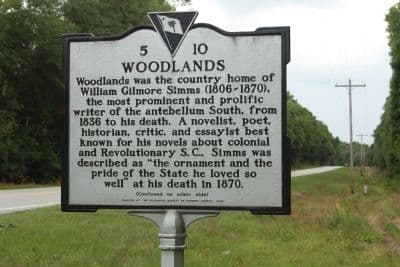
Ehrhardt dates to 1860, and its historic landscape runs from outlying farms and churchyards to the old commercial core, with Schuetzenfest a fixture of local life since 1976. Conrad Ehrhardt, the German emigrant and sawmill operator the town is named for, was born Dec. 13, 1832, arrived in America in 1851, and later moved his family to the present Ehrhardt area after a sawmill fire in 1860.
Copeland House: the farmstead that sets the stakes
The Copeland House is the clearest reminder that Ehrhardt’s story began in the countryside, not at a downtown intersection. It is an excellent example of a vernacular farm residence built around 1795, with a one-story log core joined by full dovetails, later additions in the early nineteenth century, a porch in the mid-nineteenth century, and a major 1907 expansion. The property also includes a smokehouse, cane mill shelter, family cemetery, and adjacent slave cemetery. The house stayed in family use until the mid-1980s and was listed in the National Register of Historic Places on Oct. 18, 1991.
National Register listing does not by itself guarantee protection. Local governments hold the main legal power to protect historic properties through preservation zoning overlays, and South Carolina law allows towns and counties to create boards of architectural review that can require approval before demolition or exterior changes. The state preservation office also runs a Historic Preservation State Grant Fund that can help with planning or stabilization work on eligible historic buildings, with planning grants up to $50,000 and no cash match required.
St. John’s Baptist Church: congregational care with Civil War scars
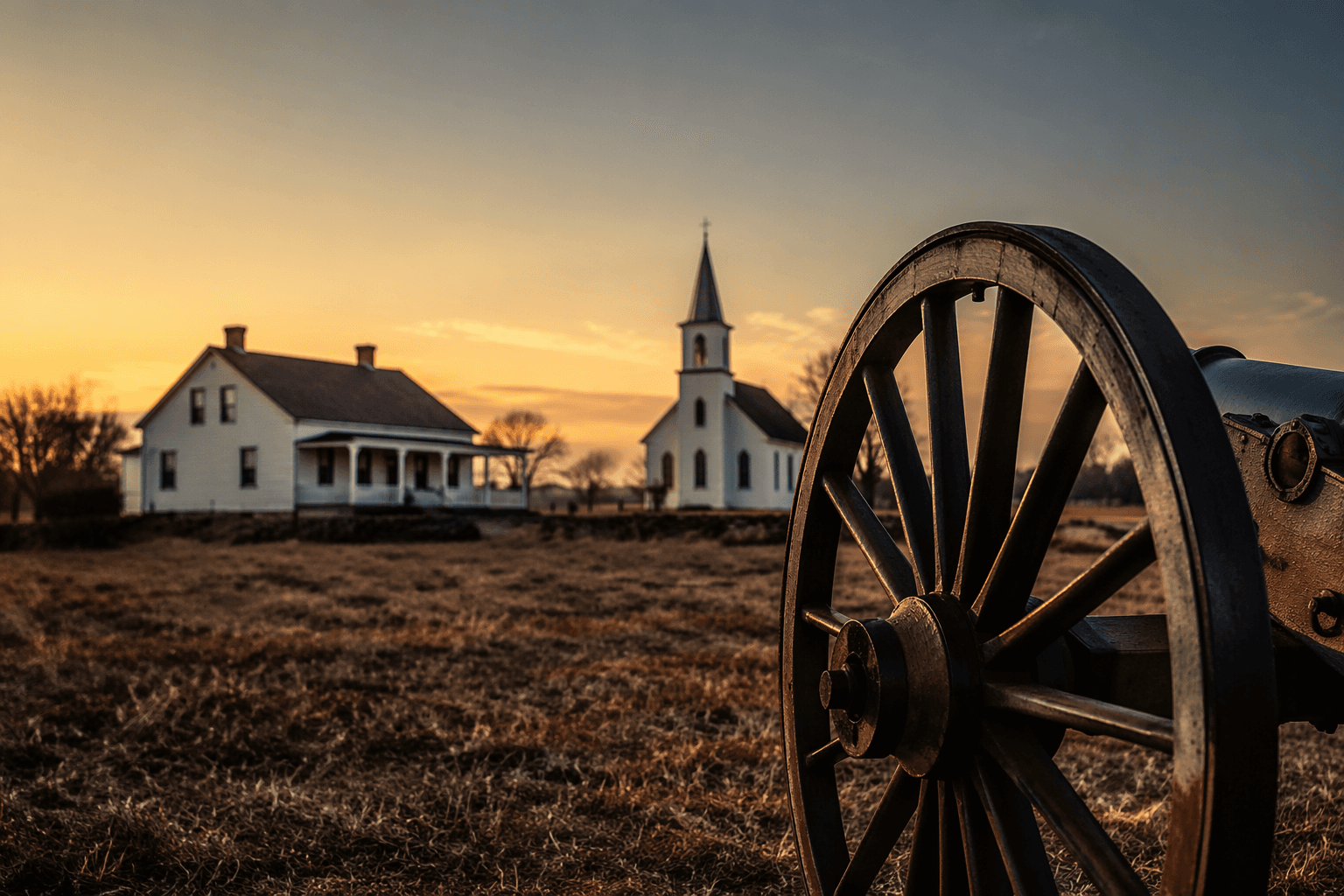
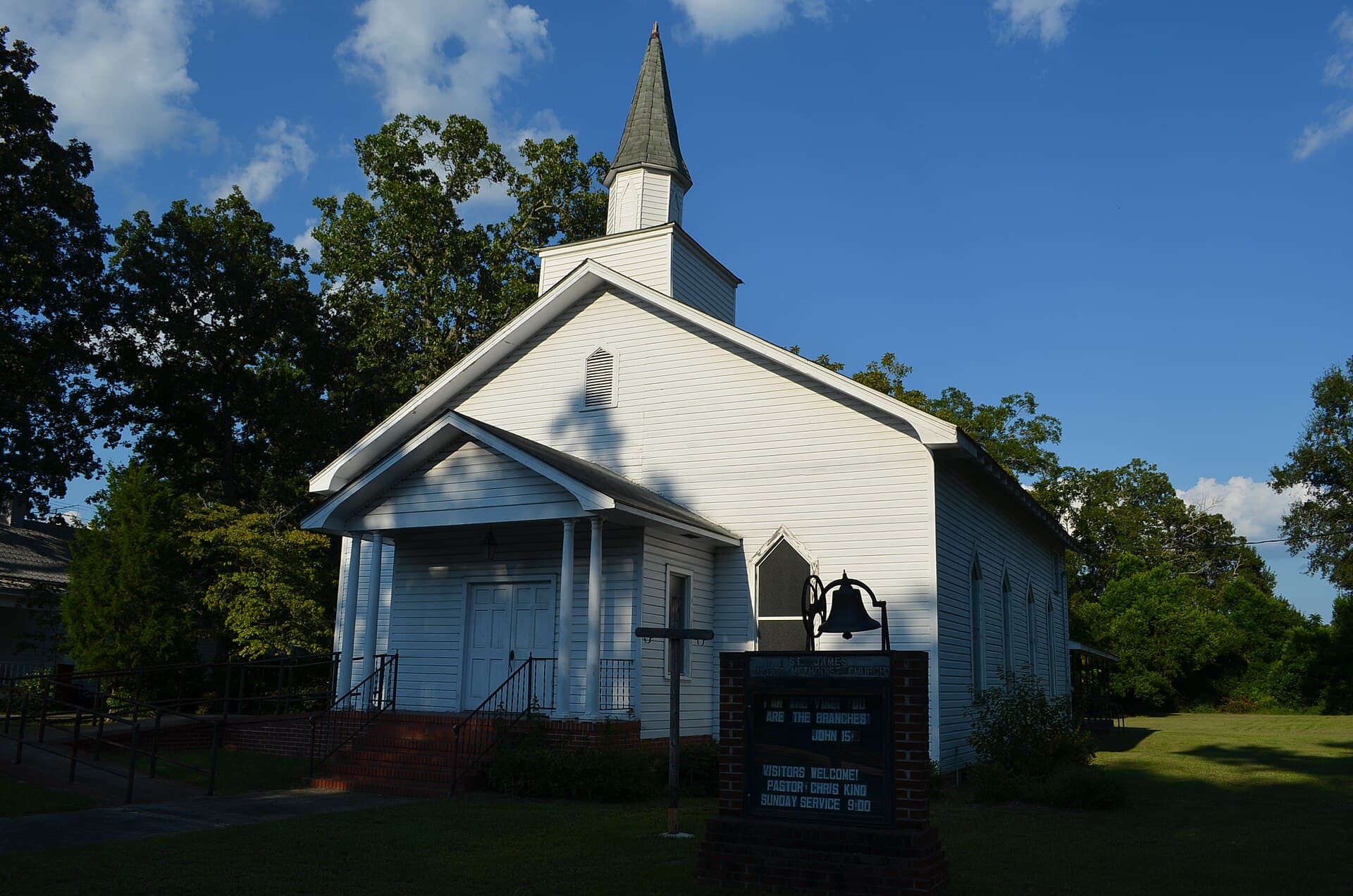
St. John’s Baptist Church shows a different model of stewardship, one that starts with a living congregation. Organized around 1829 and first known as Three Mile Creek Church, it began in a brush arbor along the Salkehatchie River before moving in 1839 to land donated by George Kinard. The church has been renovated over time in 1865, 1938, and 1961, but original elements still remain in the sanctuary, linking the present congregation to the building its predecessors raised nearly two centuries ago.
In February 1865, Union troops stabled horses there and used the sanctuary floorboards to make a bridge over the Salkehatchie River, and the federal government reimbursed the church for damages in 1912. Rev. E.W. Peeples served from 1877 to 1908, and Rev. E.W. Hollis served from 1933 to 1961, giving the church a documented ministerial lineage across Reconstruction, Jim Crow, and the modern era. Because the building still functions as a church, the first responsibility for its upkeep rests with the congregation, while any stronger public protection would have to come through local zoning or a preservation overlay adopted by town or county leaders.
Ehrhardt Depot: the rail-era building still standing in town
The Ehrhardt Depot tells the part of the story that turned a rural settlement into a town tied to regional commerce. Built between 1915 and 1916 for the Bamberg, Ehrhardt, and Walterboro Railroad, the brick depot reflects the brief industrial phase that followed Ehrhardt’s chartering, when rail lines, freight, and small-town trade gave the community a bigger role than its size might suggest. The railroad hauled workers, merchants, lumber, and watermelons, and the former depot still stands in the heart of town even though the tracks are gone. It is privately owned, which means its survival depends on private maintenance unless public officials use zoning or incentive tools to help protect it.
Private ownership makes the depot a policy test, not just a photo stop. South Carolina’s preservation rules make clear that National Register status brings limited protection and possible access to tax credits and grants, but local governments still decide whether a building gets real regulatory cover.
Rivers Bridge gives the town its wider frame
Rivers Bridge State Historic Site sits just outside Ehrhardt’s immediate core, but it helps explain why the church, depot, and farmhouse matter together. It is the only site in the state park system that preserves a Civil War battlefield, and its Battlefield Trail is 0.56 miles long. The battle there was fought Feb. 2-3, 1865, when about 1,200 Confederate soldiers faced about 5,000 Union soldiers, and the site includes still-intact earthen fortifications and Memorial Grounds. Memorial services there have been held annually since 1876.
Rivers Bridge has a state agency behind it. The Copeland House depends on historic designation and whatever care its owner provides; St. John’s Baptist Church depends on its congregation; and the depot depends on a private owner and the choices made by local officials.
This article was produced by Prism’s automated news system from verified source data, official records, and press releases, then run through automated quality and moderation checks before publishing. The system is built and supervised by the people who set the standards it runs under. Read our full AI policy.
Know something we missed? Have a correction or additional information?
Submit a Tip