Why Bamberg County has its own little Scandinavia
Bamberg County’s Scandinavian names came from railroads, not Nordic settlers. Denmark, Sweden and nearby towns still trace the county’s settlement pattern and family roots.

Drive the old rail corridor through Bamberg County and the map starts to look like a pocket version of Scandinavia. Denmark and Sweden sit about nine miles apart, but their names came from nineteenth-century railroad development, not from a wave of Scandinavian settlers.
A railroad naming pattern, not an immigrant enclave
The unusual cluster reaches beyond two towns. South Carolina’s naming pattern also includes Norway and Finland, creating a small Scandinavian-themed stretch that has more to do with infrastructure than ancestry. That matters because it changes the story residents inherit: these names are less a curiosity than a record of how rail lines, land sales and community formation shaped the county.
The best way to read the landscape is to follow the railroad. The Charleston-Hamburg line opened in stages in the 1830s, and the route through what became Bamberg County created turnouts, stops and settlements that later took on names tied to the rail era. In practice, the towns that grew beside the tracks became the county’s lasting markers of where commerce moved, where people settled and where local identity took root.
Denmark began as Graham’s Turnout
Denmark offers the clearest example of that process. In 1830, Zack Graham sold 17 acres to the South Carolina Canal and Railroad Company, and the place was first known as Graham’s Turnout. By 1837, it had become an established town on the Charleston to Hamburg line, linking it directly to one of the most important transportation corridors in early South Carolina.
That corridor was historically significant on a national scale as well. The Charleston-Hamburg Railroad opened for limited service on Christmas Day 1830 and became fully operable by 1833. The line was the first railroad in the United States powered entirely by steam, the first to carry mail under contract and the first to provide regularly scheduled passenger service. Denmark’s origins sit squarely inside that early railroad moment, when rail access could determine whether a place became a stop, a trading point or a town at all.
The town’s later name came from the railroad world too. Denmark was incorporated as Grahams on December 22, 1870, then renamed Denmark on December 23, 1891, in honor of Colonel Isadore Denmark, president of the Southbound Railroad Company. Before Bamberg County was created in 1897, Denmark was part of Barnwell County. After the Civil War, it developed as a mercantile center for the surrounding agricultural area, a role that explains why the town’s history is tied as much to trade as to trains.
A few local institutions show how that rail-era center evolved. The Denmark Hotel went up in 1893, and the city later notes that Denmark Technical College grew out of a trade school established in 1948. Voorhees University, founded in 1897, adds another anchor to the town’s long institutional history. Those dates matter because they show Denmark moving from a railroad turnout to a commercial stop and then into a place with its own educational and civic institutions.
Sweden and the smaller places that complete the map
Sweden gives the county its other unmistakable Scandinavian marker. It sits in Bamberg County just below the Orangeburg County line, and its development also tracks with the railroad era. SC Picture Project places Sweden in the same transportation landscape that helped push settlement outward from the main line, showing that these names were not random labels but part of a larger pattern of growth along rail routes.
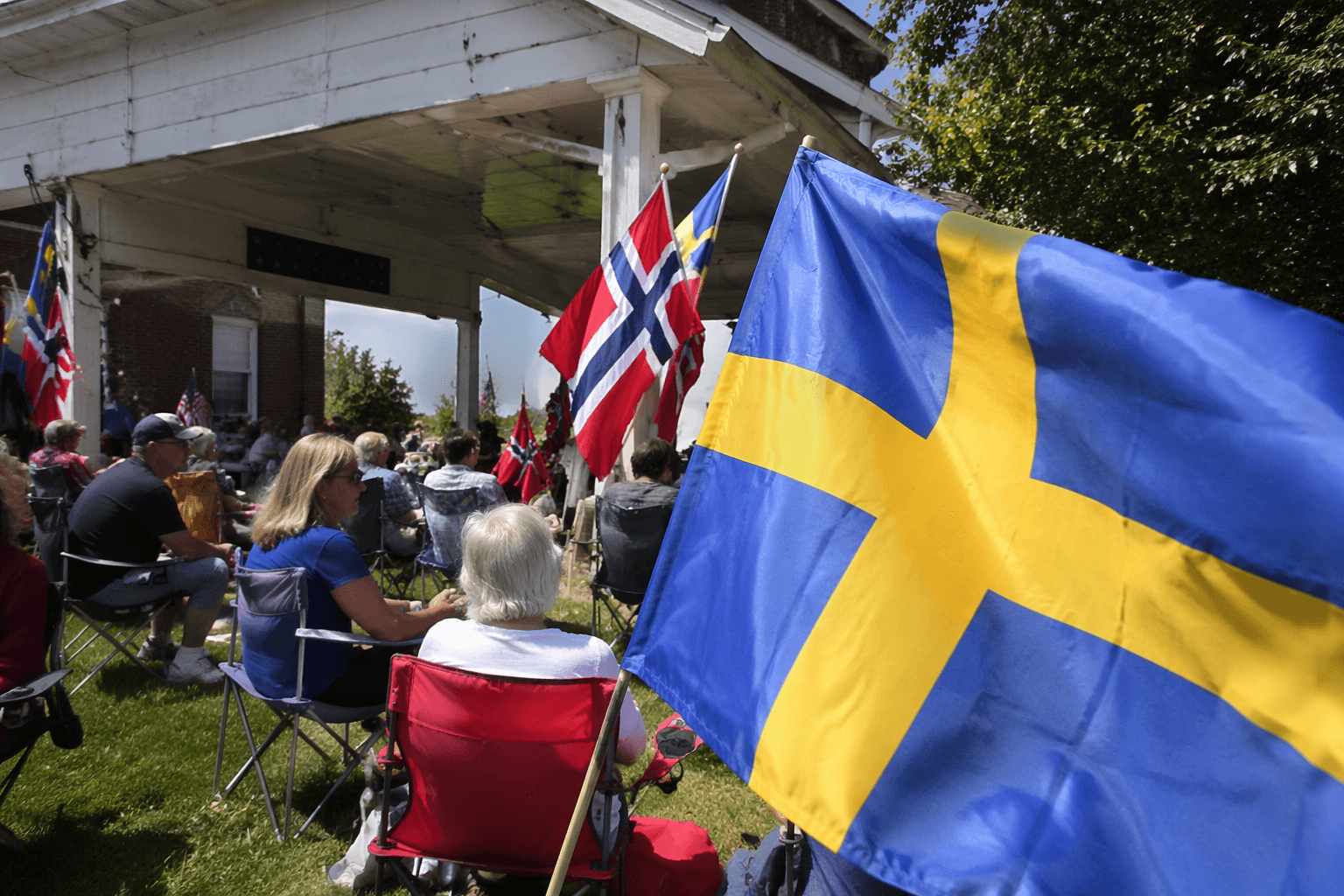
That broader pattern is what gives the county its little Scandinavia feel. Denmark and Sweden are the most visible names, but Norway and Finland complete the cluster and make it clear that this was a regional naming habit rather than an isolated choice. For residents, that means the place names themselves are part of local history, not just road signs to pass on the way to somewhere else.
The railroad connection also fits the wider story of South Carolina town development. Communities across the state rose around lines that moved cotton, timber, mail and passengers. Bamberg County’s naming pattern sits inside that larger state story, where transportation determined which places gained prominence and which names endured.
How Bamberg County itself took shape
The county around these towns has an origin story of its own. Bamberg County was formed in 1897 from the southeastern section of Barnwell County and takes its name from Francis Marion Bamberg. The county today covers 393 square miles and had a 2020 population of 13,906, a scale that helps explain why a handful of railroad towns could shape the county’s identity so strongly.
Long before rail lines, the Bamberg area was home to the Edisto tribe of the Muskhogean Indians. By the mid-eighteenth century, German, Swiss, Scots-Irish, English and Huguenot settlers began arriving, adding another layer to the county’s family roots and place names. That mix of Indigenous history, colonial settlement and railroad expansion is the context behind the county’s distinctive map.
Agriculture remains part of that story too. By the early twenty-first century, Bamberg County was still a heavy producer of corn, soybeans, wheat, cotton and sorghum. The county’s land use and economy make the old rail corridor easier to understand: trains helped connect farm country to markets, and the towns along the route grew as service points for that agricultural landscape.
Why the names still matter now
The value of this history is practical, not just nostalgic. If you live in Bamberg County, the Scandinavian names are a map of how the county developed, where rail traffic influenced settlement and how local communities were named by people connected to transportation rather than immigration. Denmark, Sweden and the nearby towns give you a shorthand for that process every time you drive through the county.
They also give residents a way to read the county’s present-day identity. Bamberg County is not a place with a Nordic heritage story in the usual sense. It is a place where the railroad left behind a naming pattern that still shapes local memory, school pride, business addresses and the way people explain where they are from. The old rail corridor did more than move freight and passengers. It left the county with a small Scandinavian map that still tells the story of how Bamberg County was built.
This article was produced by Prism’s automated news system from verified source data, official records, and press releases, then run through automated quality and moderation checks before publishing. The system is built and supervised by the people who set the standards it runs under. Read our full AI policy.
Did this article answer your question?