Bemidji to hold annual public hearing on stormwater program Monday
Bemidji residents can press city officials on drainage, runoff and lake protection at Monday’s stormwater hearing, as work tied to Lake Bemidji aims to cut pollution and flooding.
Bemidji residents will get a public chance to question city stormwater planning as the annual Storm Water Pollution Prevention Program hearing comes to City Hall Council Chambers at 6 p.m. Monday, May 4. The meeting is one of the few formal chances to weigh in on how the city handles runoff, drainage trouble spots and pollution before spring rains turn to summer storms.
City officials say the hearing is an annual review of the effectiveness of Bemidji’s SWPPP, the plan that guides how stormwater is managed across the city. Each year, the city evaluates the program to make sure it meets state and federal requirements and continues to control stormwater runoff. That matters in a city built around water, where streets, yards and low-lying neighborhoods can all feed into the same drainage network.

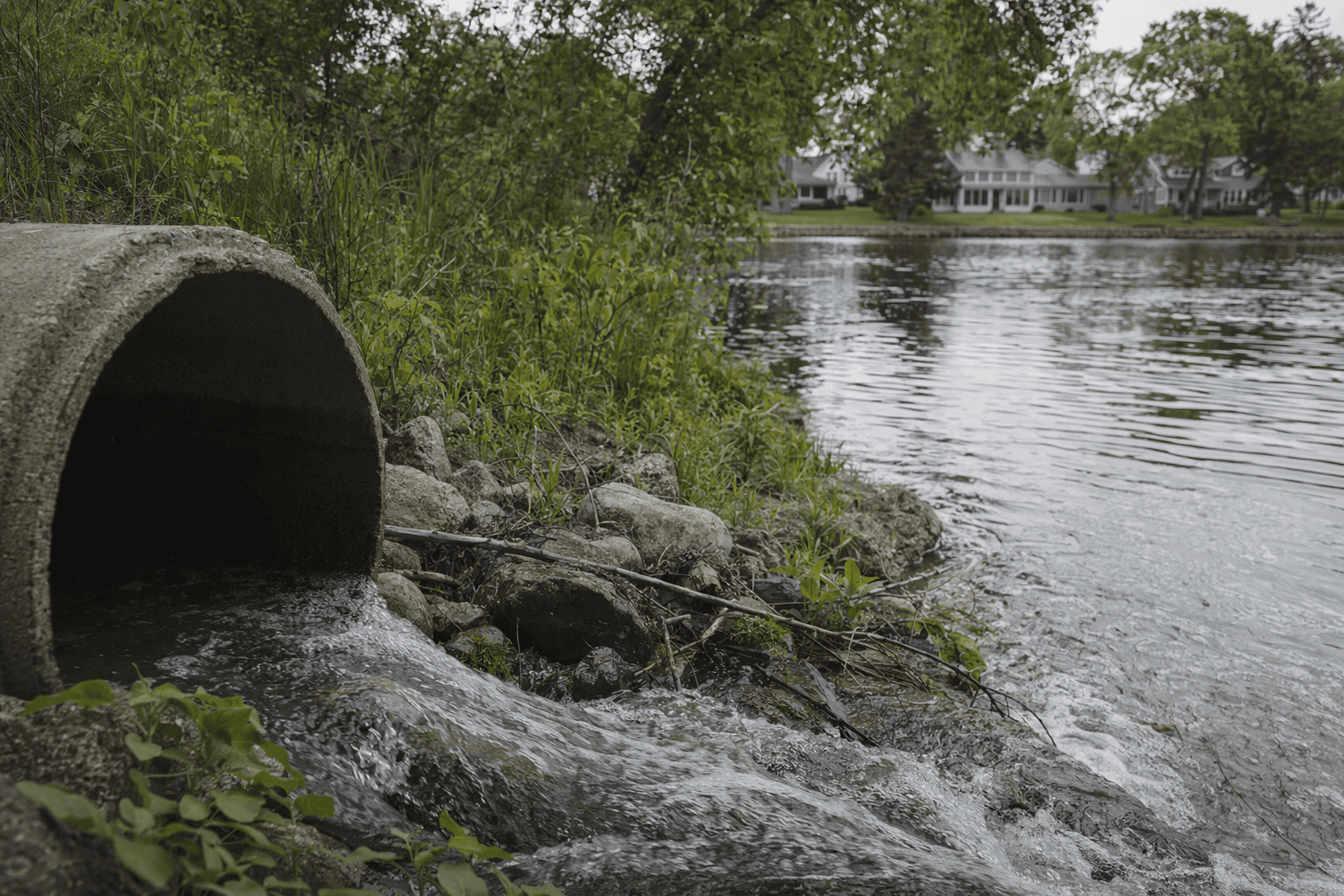
Bemidji’s stormwater system includes storm sewers, along with water-quality and holding ponds that help control the quantity and quality of rain and snowmelt entering area rivers and ponds. The city says that work is especially important because Bemidji sits as the First City on the Mississippi River, putting local runoff squarely upstream from a major watershed. Under Minnesota Pollution Control Agency guidance, MS4-regulated cities must maintain a stormwater pollution prevention program and use best practices to reduce sediment and other pollutants entering state waters.
The hearing comes as Bemidji continues to connect stormwater planning with larger lake and flooding concerns. A city newsletter in June 2025 said a planned subsurface stormwater treatment system was expected to help a watershed partnership reach 25% of its 224-pounds-a-year phosphorus reduction goal for Lake Bemidji. City officials also said the project would help reduce flooding by allowing sediment and pollutants to settle out before water enters the lake. That kind of work makes the annual hearing more than a paperwork exercise, especially for residents who have watched runoff, erosion or ponding after heavy rain.

The city’s Spring 2026 notice repeats the same basic message: the program is about protecting local lakes, rivers and stormwater systems from pollution, and the public hearing is meant to give residents a place to learn more, ask questions and share feedback. For Bemidji, the practical stakes are visible on roads, shorelines and neighborhood ditches long before they show up in a permit file.
This article was produced by Prism’s automated news system from verified source data, official records, and press releases, then run through automated quality and moderation checks before publishing. The system is built and supervised by the people who set the standards it runs under. Read our full AI policy.
Did this article answer your question?