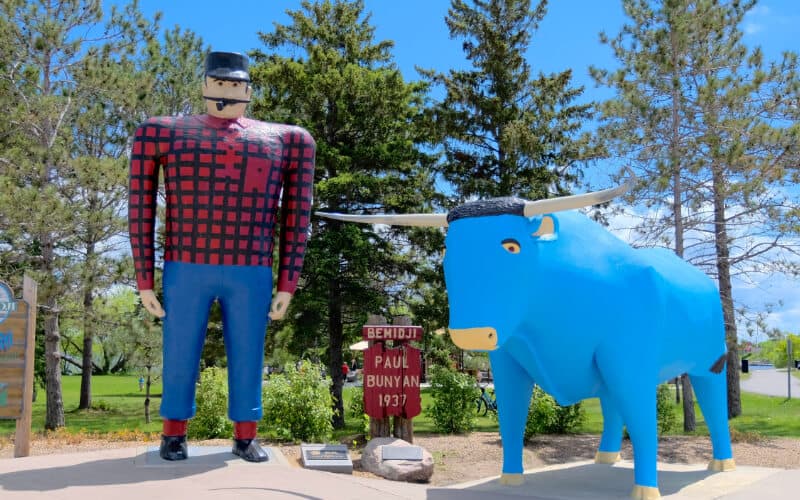
Big Bog offers a rare walk into Minnesota’s last wilderness
Big Bog’s mile-long boardwalk opens a 500-square-mile peatland you cannot experience anywhere else in Beltrami County. Plan for a split park, a fire tower, and clear fishing rules.
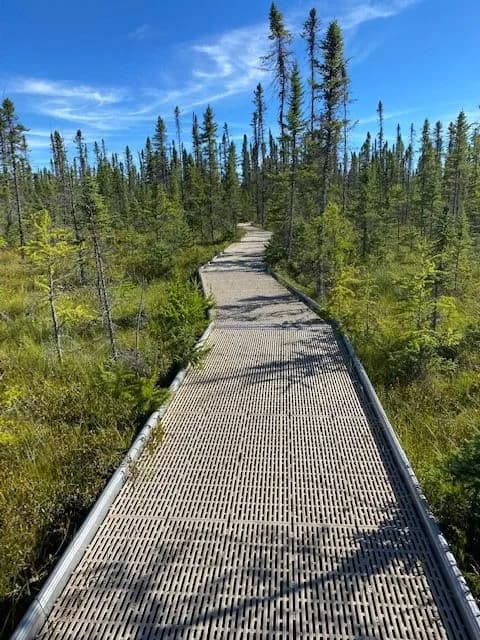
A mile-long boardwalk at Big Bog State Recreation Area leads into a peatland that covers about 500 square miles and is described as Minnesota’s last true wilderness, which makes this one of the county’s most unusual places to spend a few hours or a full day. The park’s split layout matters from the moment you plan the trip: the bog sits in the north unit, while the main use area, visitor center, and fire tower are in the south.
Why Big Bog stands apart
The draw here is the bog itself. In a state full of lakes and forests, Big Bog offers a wetland landscape that is difficult to reach anywhere else without damaging it, which is why the boardwalk is the park’s signature feature. The bog is the largest in the lower 48 states, and that scale is part of what gives the place its reputation.
That scale also changes the experience. Instead of wandering a loop trail that could be anywhere in the northwoods, you are moving across a specific ecosystem that has been forming for roughly 12,000 years.
How the park is laid out
Big Bog is divided into two parts, and that structure shapes how you use the site. The northern unit contains the peat bog and the boardwalk access, while the southern unit is where you find the visitor center and the fire tower.
The boardwalk is the clearest route into the bog landscape. The site also has a 2-mile hiking-club trail and a 100-foot fire tower.
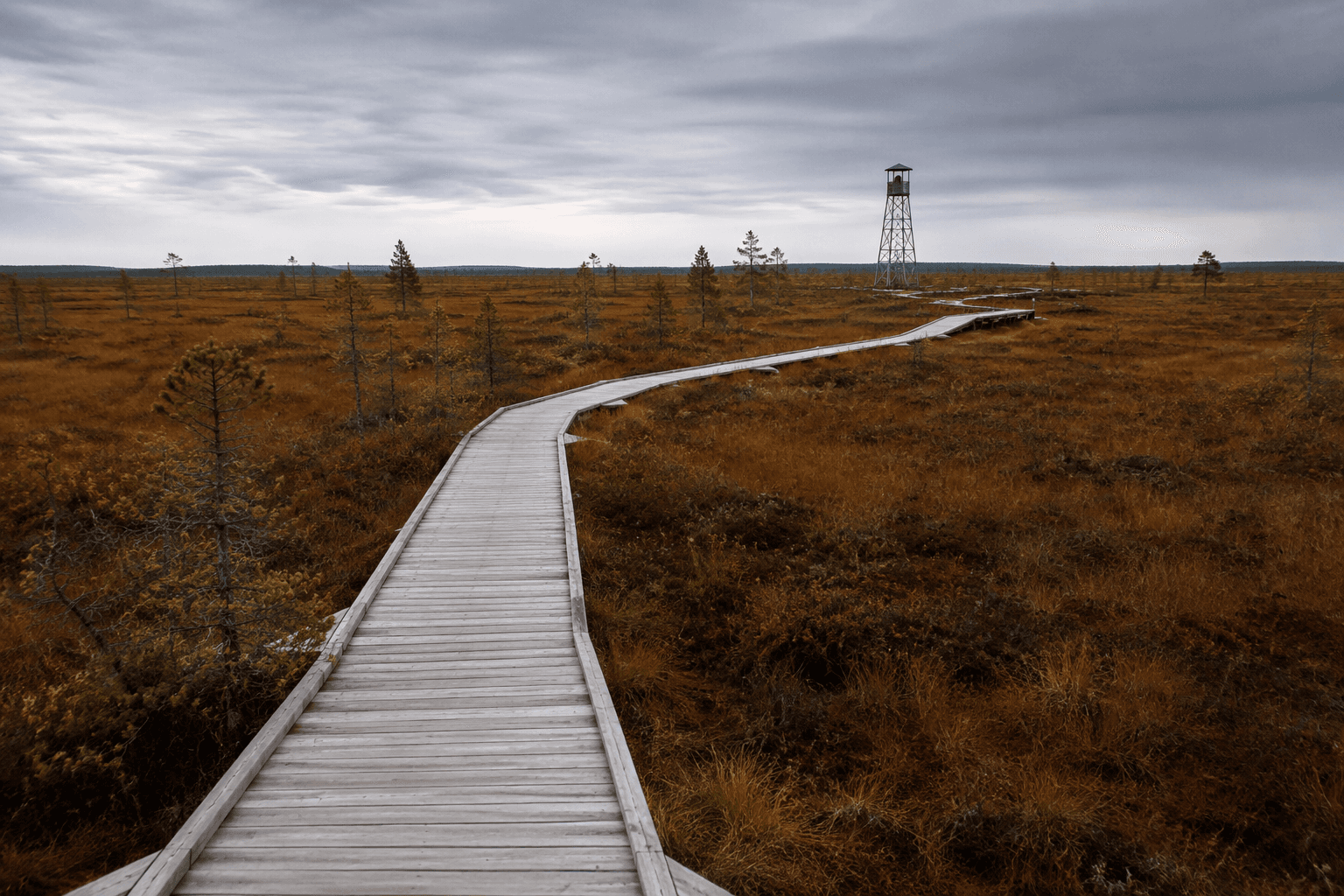
What to expect on a first visit
If you have never been, expect a park built around access and preservation rather than dense infrastructure. The boardwalk is there because the bog is the attraction, and the bog is too fragile to treat like ordinary trail ground. That means the visit is about observing the landscape at close range without trying to cross it freely.
It is also worth planning around the park’s remote feel: wide open wetland, quiet walking, and a sense that the landscape, not the facilities, sets the terms. Visitors who want a compact, clearly defined outing will find that the boardwalk gives them a satisfying endpoint without requiring an all-day hike.
Built for more than sightseeing
Big Bog is not only for walkers. The Minnesota Department of Natural Resources lists Ludlow Pond as stocked with panfish, and Minnesota residents do not need a license to fish that pond. That makes the south side of the park useful for families or casual anglers who want a simpler fishing stop than Upper Red Lake.
The Minnesota Department of Natural Resources requires anglers to follow special limits and protected slots when fishing on Upper Red Lake. Boat docking in the campground is first come, first served, which is important if you are arriving by water or planning to base a stay around the lake. The park also offers heated camper cabins, extending the season beyond the warm months and giving the site value well into cooler weather.
Trip-planning details that matter
Big Bog State Recreation Area is at 55716 Hwy 72 NE, Waskish, MN 56685, and the park phone number is 218-888-7310. The Minnesota Department of Natural Resources lists the non-emergency sheriff’s number as 218-333-9111, a useful detail in a remote area where cell service and quick access can matter more than they do in town.
A few practical points stand out:
- The boardwalk is the key experience, so allow enough time to walk it without rushing.
- If you plan to fish Upper Red Lake, check the special limits and protected slots before you go.
- If you want a campsite boat docking spot, remember the campground docking is first come, first served.
- Ludlow Pond is stocked with panfish, and Minnesota residents can fish it without a license.
- Heated camper cabins make the park a realistic cold-weather overnight option.
From wasteland to destination
In the early 1900s, local communities viewed the bog as a wasteland and talked about draining or developing it. That perspective changed by the time the state established Big Bog State Recreation Area in 2000.
The recreation area was created in part to help bring back tourism after the walleye fishery collapsed in the 1990s. A May 2002 Big Bog State Recreation Area Management Plan in the Minnesota Legislative Reference Library archive shows that the site was already being formally planned soon after its establishment.
This article was produced by Prism’s automated news system from verified source data, official records, and press releases, then run through automated quality and moderation checks before publishing. The system is built and supervised by the people who set the standards it runs under. Read our full AI policy.
Did this article answer your question?