Minnesota Tribal Leaders Call for Culturally Sensitive Solutions to Fatal Crash Crisis
Native American youth die in Minnesota crashes at up to 8 times the rate of other groups. Tribal leaders say the toll traces directly to boarding schools and forced removal.
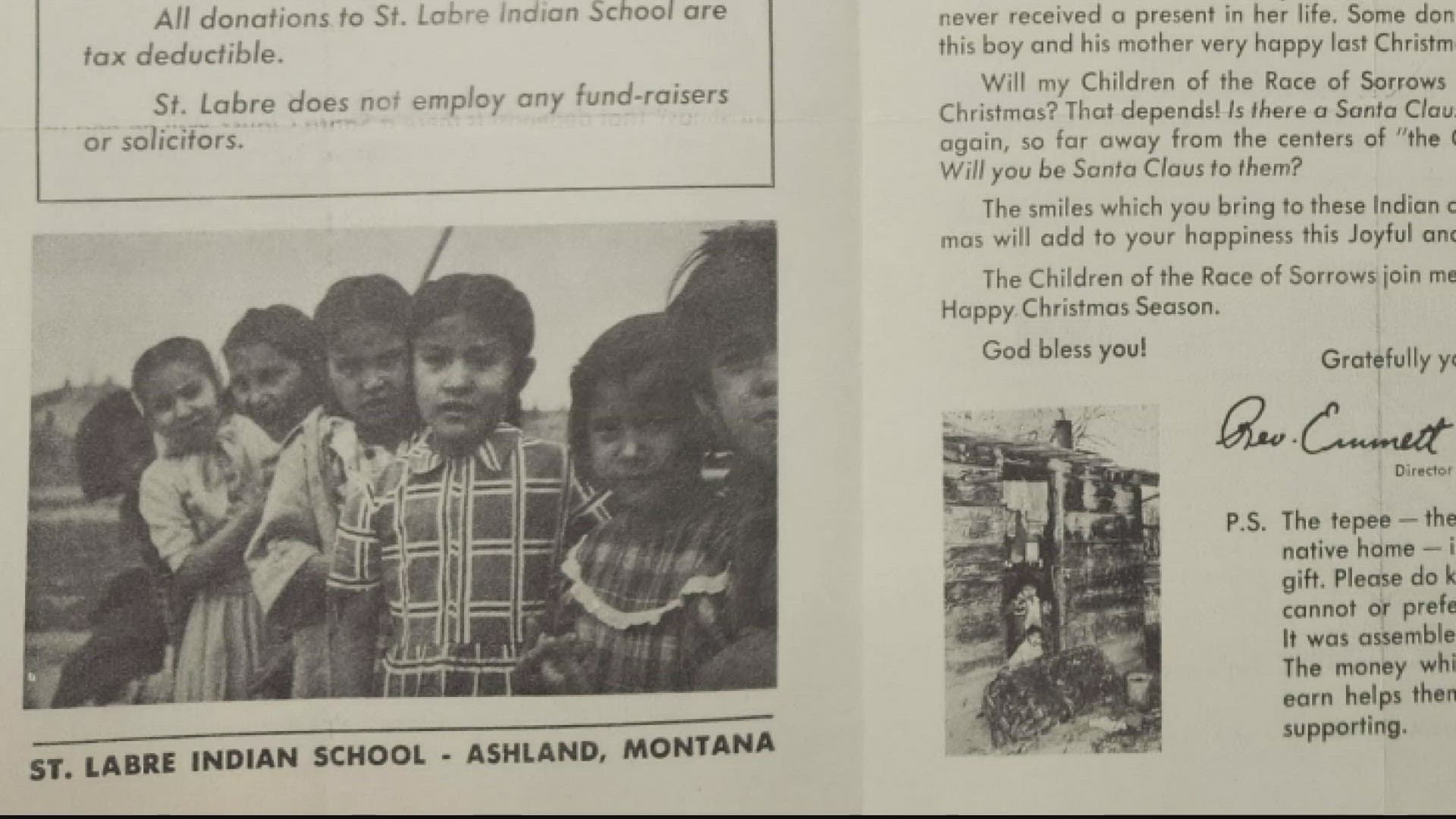
Native American youth in Minnesota die in traffic crashes at rates up to eight times higher than any other ethnic group, and tribal leaders who convened a two-day summit March 24 and 25 said the death toll cannot be separated from the generational wounds left by boarding schools and forced removal.
The summit drew more than 150 participants including representatives from Minnesota's 11 tribal nations, the Minnesota Indian Affairs Council, and the state departments of health, public safety and transportation. For Beltrami County residents, the crisis registers on roads used every day: US Highway 2 connecting Bemidji east into Leech Lake territory and State Highway 1 running north toward the Red Lake Nation's closed reservation.
Melvin Clark, a first responder with the Leech Lake Band of Ojibwe, identified one factor that outside drivers can address directly. A large share of crashes on his reservation involve unfamiliar tourists speeding on roads they don't know. "For them, not knowing the roads, it gets pretty tricky," Clark said. US-2 east of Bemidji carries both daily commuters and seasonal visitors into Leech Lake country, where summer traffic spikes and winter black ice claim lives on the same stretches of highway.
Michael Graves, a Minneapolis firefighter and member of the Red Lake Nation, said building Indigenous first responder capacity is critical but structurally difficult. "It gets hard because there's barriers that they have to pass to get to that," Graves said. He called for mentorship pipelines that bring young reservation residents into emergency services, noting that response gaps on isolated roads compound the danger at every crash scene.
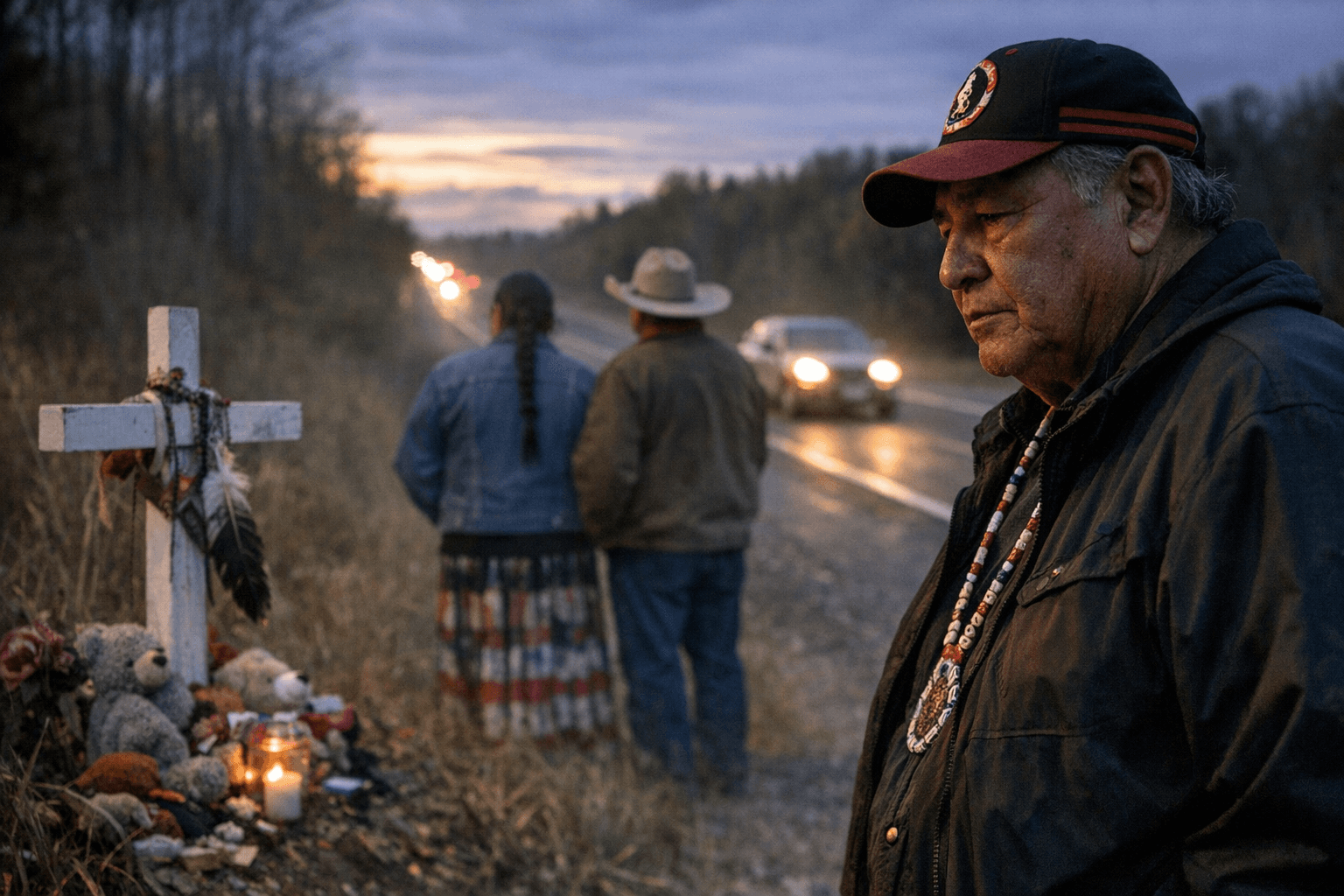
Monte Frank, a first responder with the Mille Lacs Band of Ojibwe, framed the statistical disparity in generational terms. He cited boarding school policies and exterminatory colonial practices, noting that elders at Mille Lacs speak of seven generations being needed for trauma to fully heal. Frank is himself only three generations removed from that era. "It's got to run this course, and hopefully there'll be somebody in that family who will break that chain," he said.
Dan DeSmet, chief of police for the Upper Sioux Community, said impaired driving and speeding remain the top safety concerns in his jurisdiction. Frank, however, cautioned against letting those numbers reduce an entire people to a single narrative. "There are so many more healthy families that you will never hear about," he said.
The CDC identifies low seatbelt use, impaired driving and inadequate road infrastructure as the compounding risk factors on tribal lands. Northern Minnesota's rural corridors add winter darkness and ice. On US-2 east of Bemidji and the county roads threading through Red Lake Nation territory, those variables converge daily. Non-tribal drivers share those roads and share the risk: buckling up, slowing down through reservation corridors and never driving impaired are concrete steps with real consequences where emergency response is already stretched thin. Proposed federal cuts now threaten to strip nearly $697 million from Minnesota tribes statewide, jeopardizing the safety infrastructure and health programs that any culturally grounded prevention strategy would require.
This article was produced by Prism’s automated news system from verified source data, official records, and press releases, then run through automated quality and moderation checks before publishing. The system is built and supervised by the people who set the standards it runs under. Read our full AI policy.
Did this article answer your question?


