PotlatchDeltic and Rayonier Merger Closes as Bemidji Harassment Suits Continue
PotlatchDeltic and Rayonier completed their merger, creating a timber giant with more than 4 million acres and local mills, while harassment suits tied to the Bemidji mill and a lost FSC certification remain unresolved.
Rayonier and PotlatchDeltic have completed a merger that creates one of the largest publicly traded timber and wood companies in the United States, a move that will reshape regional ownership of forestland and mill operations affecting Beltrami County. The combined company will initially operate under the Rayonier name and its common stock began trading under the NYSE ticker RYN on Feb. 2, 2026; a new corporate name and ticker are planned for announcement later in the first quarter.
The merged company controls more than 4 million acres of timberland, with detailed filings showing approximately 4.158 million acres split between about 3.227 million acres in the U.S. South and 931,000 acres in the U.S. Northwest. Operational scale includes six sawmills and an industrial-grade plywood mill; investor slides list wood products capacities including Gwinn 185 MMBF, St. Maries 185 MMBF, Bemidji 140 MMBF, Ola 150 MMBF, Waldo 275 MMBF, Warren 220 MMBF and plywood capacity 150 MMSF. Corporate materials show a new headquarters location listed as Atlanta, GA.
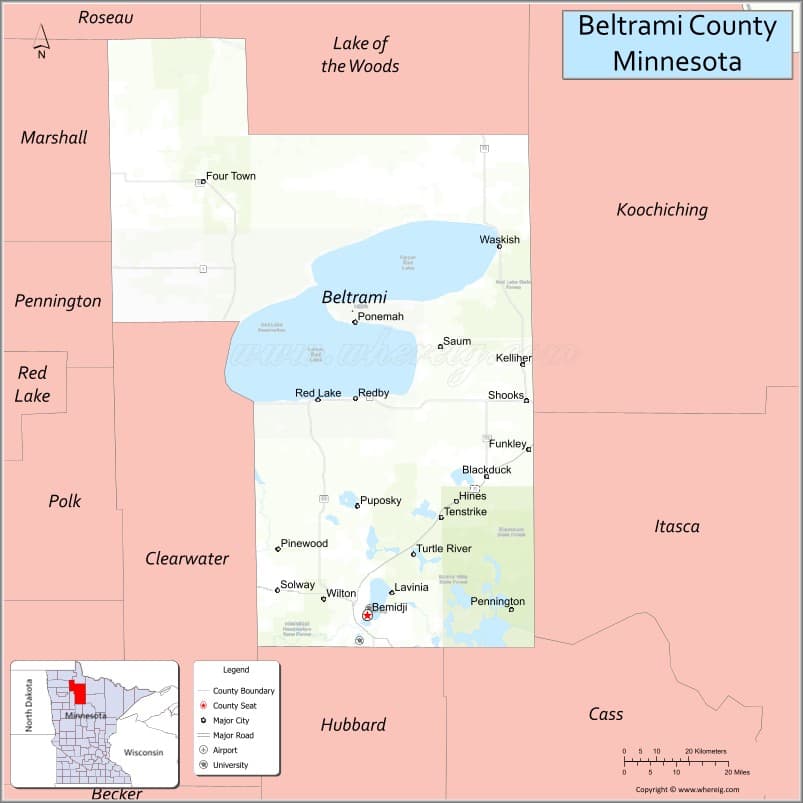
Locally, the Bemidji lumber mill remains visibly branded as PotlatchDeltic as of Feb. 5, and continues producing precision studs from spruce, pine and fir. The mill and regional jobs are part of a broader footprint that also includes residential and commercial real estate development and a rural land sales program. St. Maries complex manager Bucky Shoemaker characterized the merger as positive for community operations, saying, “This merger is an exciting milestone that brings together two companies with a deep commitment to sustainable forestry and the communities where we operate. As we integrate, we’re focused on maintaining the operational excellence that both PotlatchDeltic and Rayonier are known for. We are proud of our heritage in St. Maries and look forward to a bright future as a combined team.” Company communications also say leaders do not anticipate significant manufacturing changes at some sites, with a PotlatchDeltic sustainability officer stating the combined company “does not anticipate any significant changes in manufacturing operations.”
At the same time, legal and reputational problems tied to the Bemidji operation are unresolved. Reports vary on the number of active suits; some filings describe three civil lawsuits alleging sexual harassment and racial discrimination, while Beltrami County District Court documents show two complaints filed Nov. 14 by individual plaintiffs seeking damages in excess of $50,000 plus legal fees. The complaints allege a pattern of harassment by operator Calvin Kurtz and assert, “Multiple other women have complained to management about defendant Kurtz and his continuous sexual harassment ... In spite of plaintiff's multiple complaints, and notwithstanding multiple complaints from other women, defendant Kurtz was not terminated and was allowed to continue to work the floor and harass plaintiff.” Court responses recorded in filings state that Kurtz “denies any and all allegations of wrongdoing,” and company filings assert denial of wrongdoing at the Bemidji mill. Rayonier has declined to comment on the court cases, with spokesperson Jane Wilder writing, “As a matter of company policy, we do not comment on pending litigation or specific personnel disputes.”
The merger was announced as a roughly $8.2 billion deal with about $1.1 billion in net debt, creating what company statements describe as the second-largest U.S. public timber and wood company. The loss of one Forest Stewardship Council certification late last year after an independent, company-wide harassment investigation that included Bemidji underlines near-term commercial risks: buyers that require third-party certification could shift sourcing, and certification status may affect land-sales and development contracts tied to sustainable-forest credentials.
For Bemidji residents, the immediate questions are jobs, mill operations and community reputation. Expect the combined company to name its new identity later in the quarter, while litigation in Beltrami County and the status of FSC certification remain key local developments to watch for their potential effects on employment, contracting and the market for local timber.
Know something we missed? Have a correction or additional information?
Submit a Tip