Smokey Bear visits Bemidji to warn of wildfire risk this summer
Smokey Bear stopped at Paul Bunyan Park as Beltrami County headed into a high-risk fire season after a storm left about 9 million trees damaged or toppled.
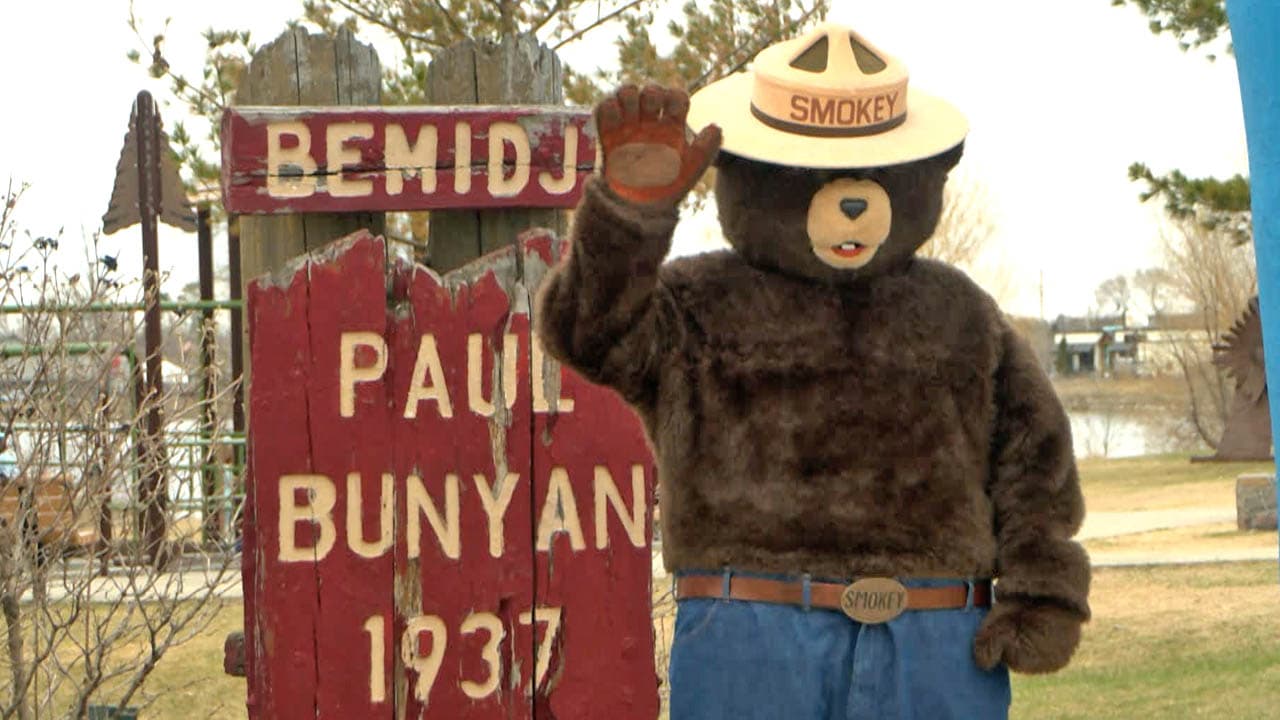
Smokey Bear’s stop at Paul Bunyan Park put a familiar face on a very current warning for Bemidji: the county’s storm-damaged woods are heading into fire season with dry fuel still on the ground. The visit, part of Lakeland PBS’s Northwoods Experience segment, landed in a place where last year’s destructive windstorm left toppled trees, broken limbs and piles of debris across the landscape.
Beltrami County declared a state of emergency on June 21, 2025, after destructive severe thunderstorms and possible embedded tornadoes. County emergency-management materials later described the event as a derecho that caused catastrophic tree and property damage, with media reporting estimating that about 9 million trees were damaged or toppled. That matters now because escaped fire from burning vegetative debris is the number one cause of wildfires in Minnesota, and the cleanup left behind by the storm has turned ordinary yard work into a seasonal fire hazard.
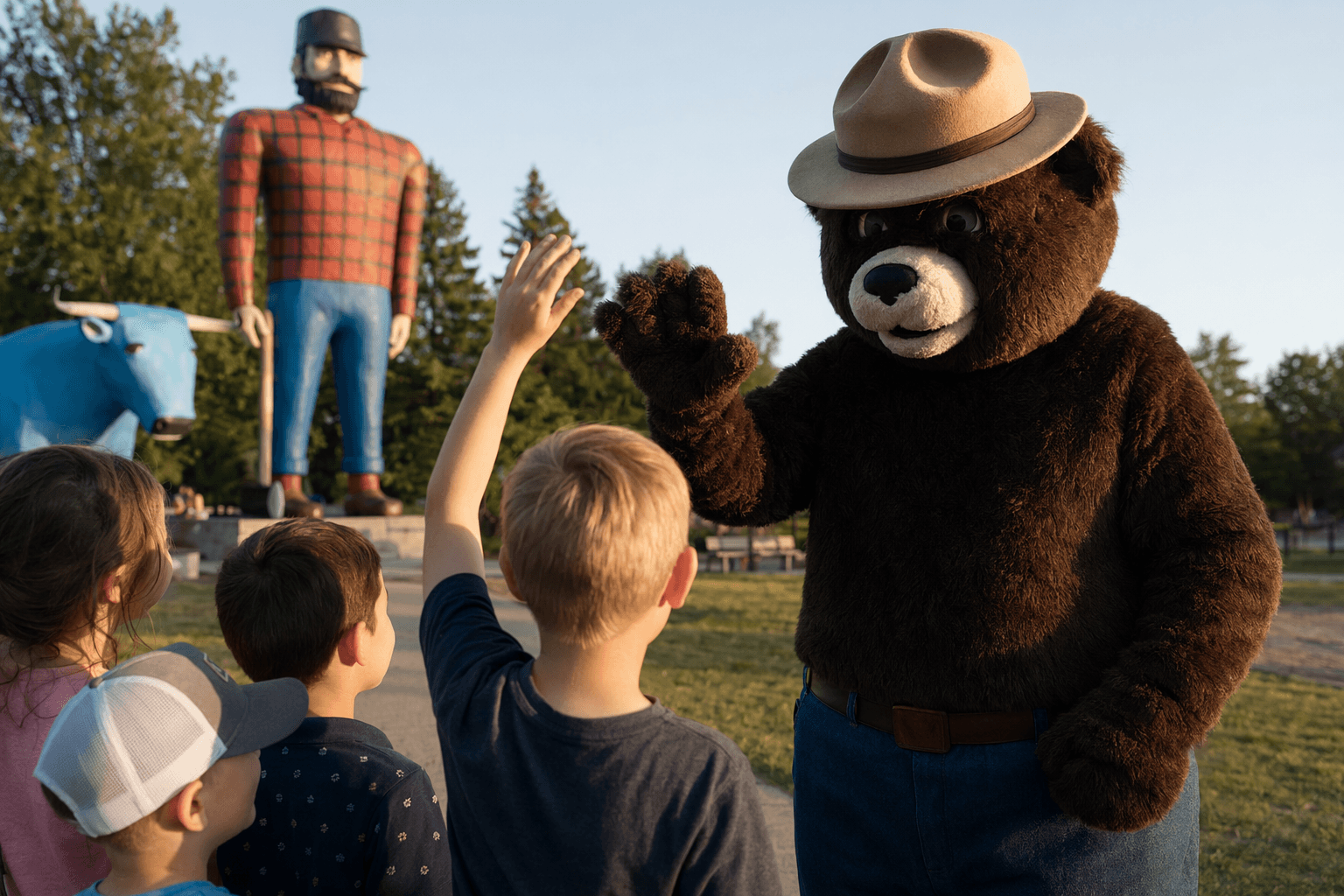
State officials are already treating the risk as real. The Minnesota Department of Natural Resources updates its fire danger and burning restrictions maps every day, with the map refreshing every five minutes. It also says burning permits are not issued in fire-prone portions of the state in spring, when fire danger is traditionally high. Spring burning restrictions were expanded across Minnesota beginning April 20, 2026, and Beltrami County was among the counties affected.
That makes Smokey’s message more than a public-service cameo. The Smokey Bear wildfire-prevention campaign began in 1944 and is now the longest-running public service advertising campaign in U.S. history. Smokey’s 80th birthday was marked in 2024 by the U.S. Forest Service, the National Association of State Foresters and the Ad Council, but the warning around Bemidji is rooted in immediate conditions: warming weather, dry vegetation and the lingering aftermath of the storm.
For Beltrami County homeowners, the practical takeaway is simple. Check the daily DNR fire-danger map before burning anything outdoors. Follow local restrictions, especially in wooded areas around Bemidji and the surrounding townships. Keep vegetative debris out of burn piles unless conditions and permits allow it, and assume that dead, dry tree material left by the storm can turn a small flame into a fast-moving emergency. In a county still living with the cleanup from June’s storm, one preventable fire could spread from a backyard burn pile into homes, parks and the remaining tree canopy in a matter of minutes.
This article was produced by Prism’s automated news system from verified source data, official records, and press releases, then run through automated quality and moderation checks before publishing. The system is built and supervised by the people who set the standards it runs under. Read our full AI policy.
Did this article answer your question?