Albuquerque air traffic control gets $26 million modernization boost
Albuquerque's air traffic system will get fiber, new radars and digital flight strips, a modernization officials say could improve reliability at the Sunport.
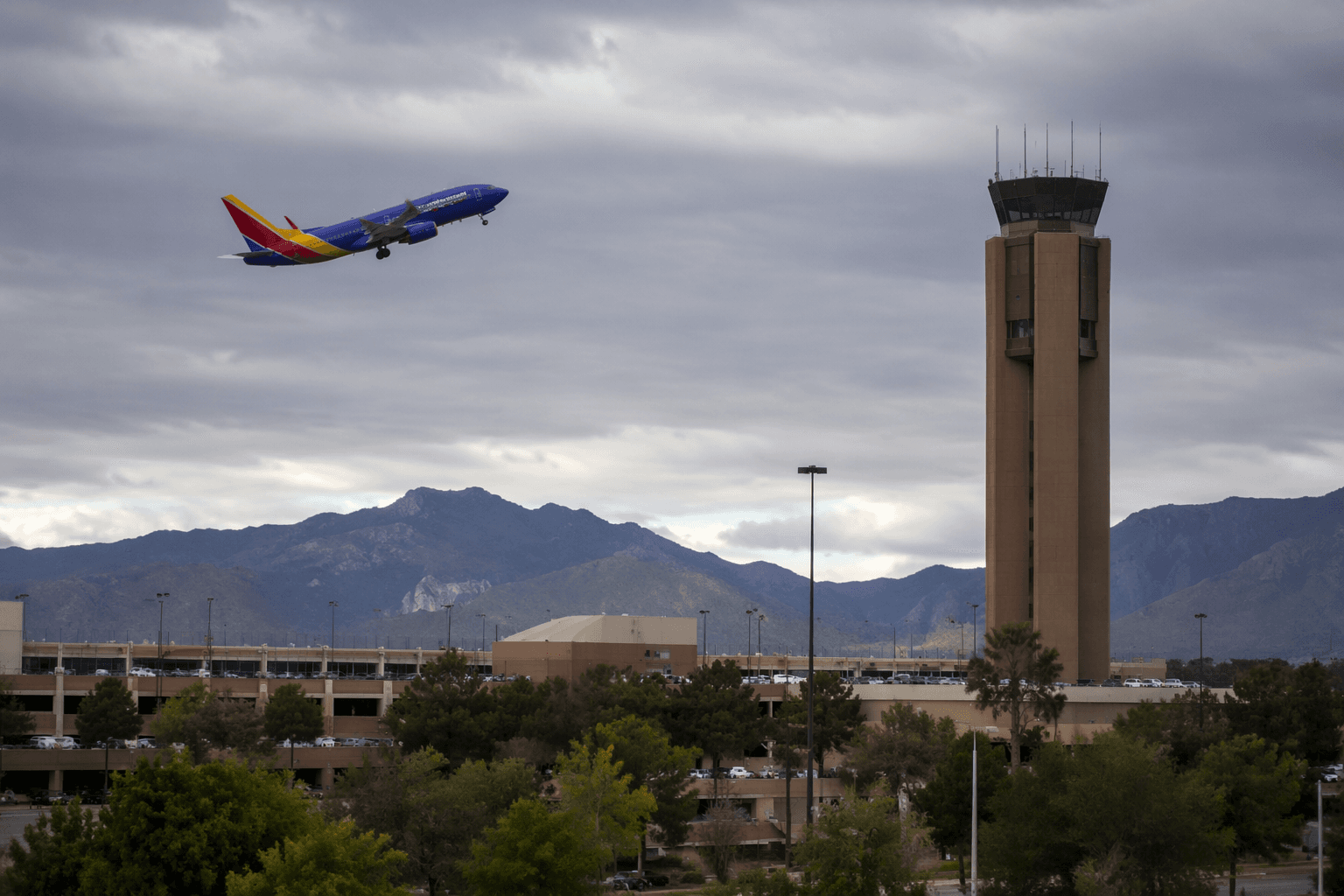
Albuquerque’s air traffic control system is headed for a major overhaul that could change how aircraft are managed above the Sunport, even if many travelers will not notice it right away at the gate. U.S. Transportation Secretary Sean Duffy said Tuesday that the system will receive $26 million over the next two years, money aimed at replacing aging equipment that controllers use every day to guide flights in and out of Bernalillo County.
The work is expected to replace copper telecommunications lines with fiber, install new radars and radios, and move controllers from paper flight strips to digital ones. Those are the kinds of changes that can tighten communication between the tower and pilots, reduce the risk of equipment-related slowdowns, and make the airport’s operations more resilient as traffic grows. For passengers, the most immediate benefit may be less visible than a new terminal sign or runway project, but it reaches into the core of whether flights arrive, depart and connect smoothly.
Duffy’s stop in Albuquerque also tied the local investment to a larger federal push to rebuild the nation’s air traffic control system. The Federal Aviation Administration says its modernization effort is a $12.5 billion program and that it plans to deliver a brand-new system by the end of 2028. That broader effort includes replacing outdated radar, software, hardware and telecommunications networks, while the FAA’s Terminal Flight Data Manager program, valued at nearly $1 billion, is meant to automate the manual flight-data process that still relies on paper strips in many places.

The timing of the upgrade matters because federal watchdog data has pointed to strain in the system. The U.S. Department of Transportation’s Office of Inspector General said flight-delay minutes tied to equipment issues in 2025 were about 300% higher than the average from 2010 through 2024, a sign that aging infrastructure is no longer just a theoretical concern. In that context, Albuquerque’s share of the modernization push looks less like a ceremonial grant announcement and more like a bet that better communications and digital tracking can support safer, more reliable operations at a facility that serves tourism, business travel and cargo movement across central New Mexico.

Duffy also toured Reliable Robotics, a company developing autonomous cargo aircraft, underscoring how the airport technology debate is already linked to the next generation of aviation. Reliable Robotics has previously worked with the City of Albuquerque Aviation Department on FAA advanced air mobility integration pilot program efforts, a local connection that helps explain why Albuquerque is part of the national conversation about how America moves people and freight in the years ahead.
This article was produced by Prism’s automated news system from verified source data, official records, and press releases, then run through automated quality and moderation checks before publishing. The system is built and supervised by the people who set the standards it runs under. Read our full AI policy.
Did this article answer your question?