Albuquerque BioPark says goodbye to Maya, its longtime jaguar resident
Maya, the BioPark’s only jaguar, was humanely euthanized at 20 after age-related health declines, ending nearly 12 years as a beloved Albuquerque icon.
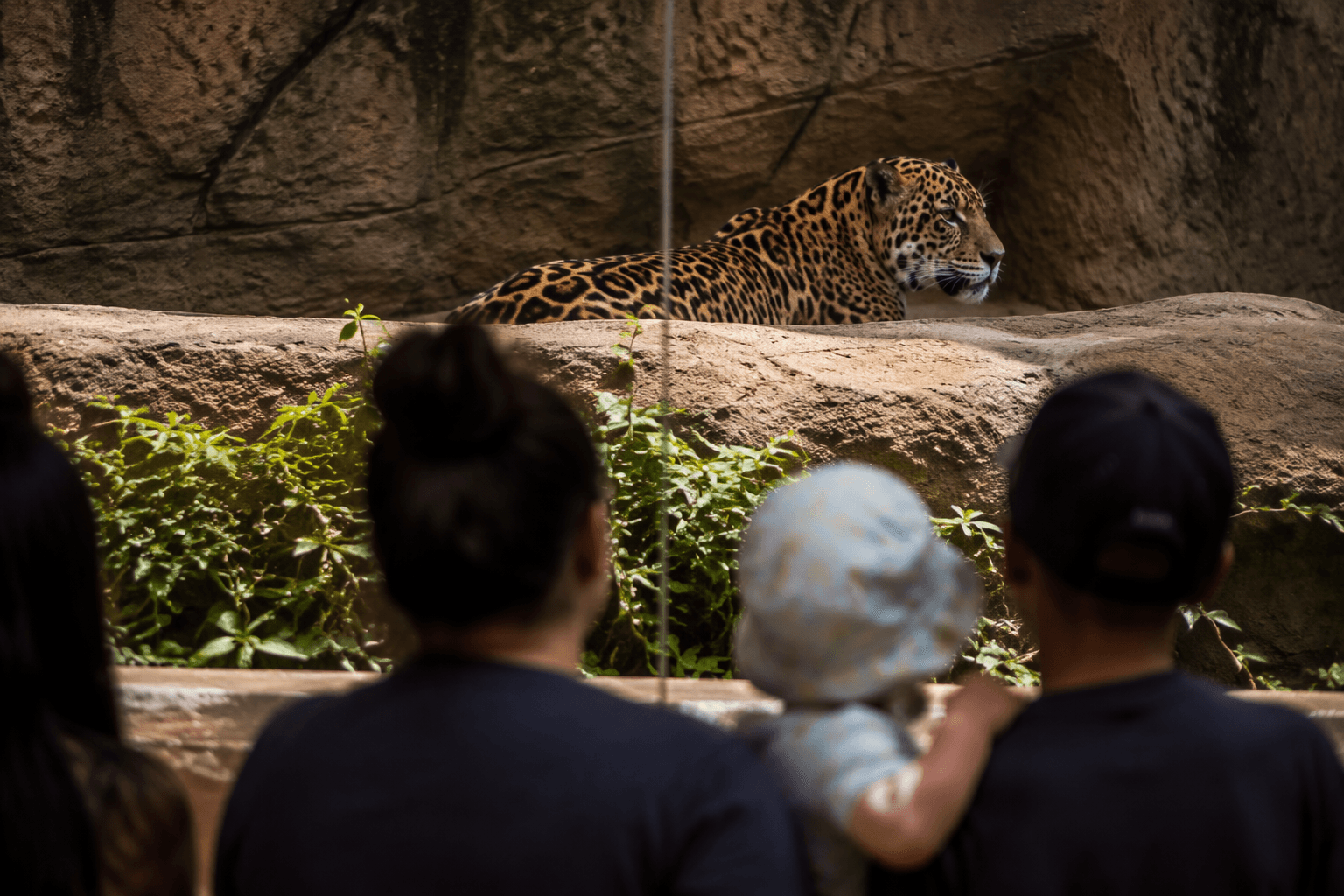
The Albuquerque BioPark said Maya, its only jaguar, was humanely euthanized after age-related health declines, closing the chapter on a 20-year-old resident who had been one of the zoo’s most familiar animals. Staff shared the news with the community and later posted a tribute celebrating her life.
Maya had spent nearly 12 years at the ABQ BioPark, where the City of Albuquerque described her as a beloved ambassador and said she received exceptional care throughout her senior years. City materials said she moved to Albuquerque in 2014, and the BioPark noted that she turned 20 on Oct. 4, a milestone that stood out because jaguars live about 18 years on average.
For many Bernalillo County families who made the BioPark part of their regular outings, Maya was more than a display animal. She was a longtime attraction, a recognizable presence for children, parents and grandparents visiting the Albuquerque BioPark Zoo, and a big cat that the city held up as part of its public-facing conservation work.
The BioPark also used Maya in education about aging animals. A senior animal care spotlight video featured her as the resident jaguar, giving visitors a closer look at how the institution cares for older animals and why longevity in human care can differ from life in the wild. The later tribute to Maya placed that same emphasis on her life, not just her death, framing her as a signature part of the BioPark’s history.

Her death leaves a gap in one of Albuquerque’s most visible animal exhibits and in the routine of visitors who followed her over the years. It also draws attention to the BioPark’s handling of senior animals, from specialized care to the way it presents individual residents as part of family life, conservation education and the city’s wider public institutions.
This article was produced by Prism’s automated news system from verified source data, official records, and press releases, then run through automated quality and moderation checks before publishing. The system is built and supervised by the people who set the standards it runs under. Read our full AI policy.
Did this article answer your question?