Albuquerque leaders push financial literacy as families face rising costs
Albuquerque families heard advice on debt and budgeting as grocery and utility costs kept squeezing paychecks, with city workshops and a student debt clinic.
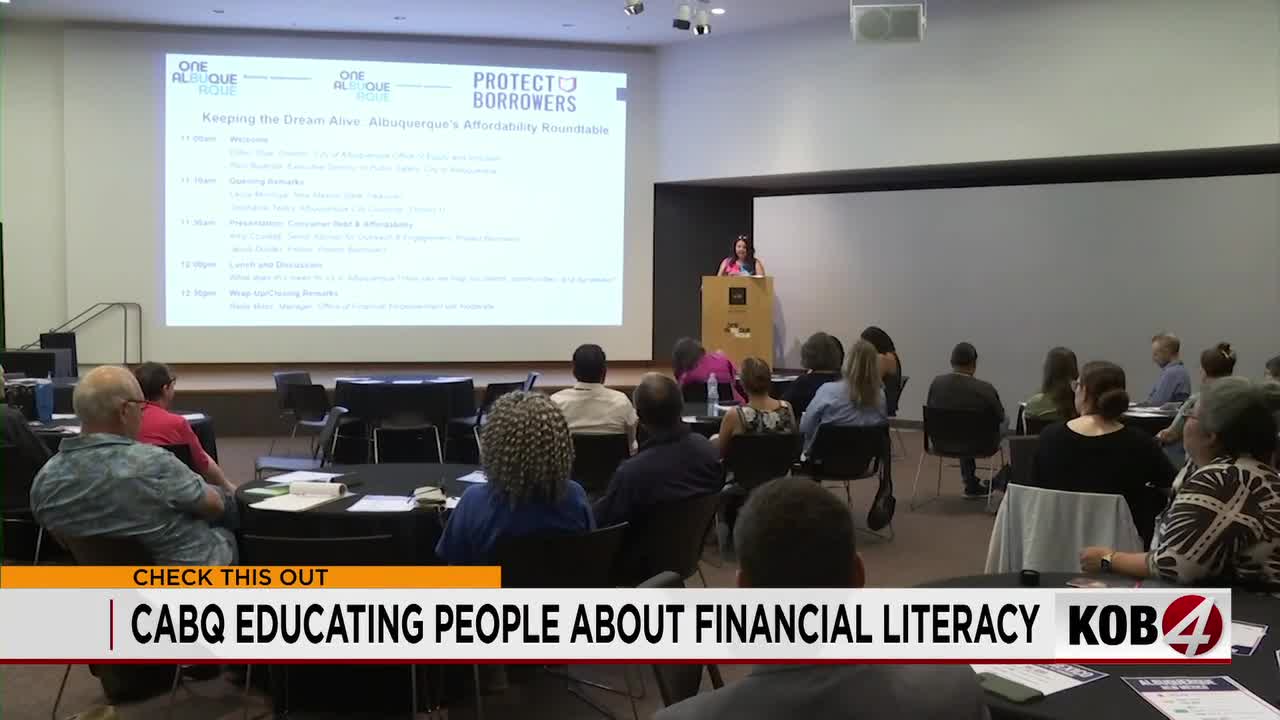
Albuquerque leaders used a pair of June 23 workshops to confront a problem many Bernalillo County families feel every month: paychecks that do not stretch far enough for rent, groceries, utilities and credit card bills. The city and community partners gathered at the AFT New Mexico offices, 530 Jefferson St., for a policy briefing on consumer debt and affordability from 10 a.m. to 11:30 a.m., followed by a student debt borrower clinic from 4 p.m. to 5:30 p.m.
Councilor Stephanie Telles tied the effort to the strain on households buying basics with plastic, saying credit card spending is rising because many people are using it for essentials they can no longer comfortably afford. The day’s structure suggested the city was aiming beyond a one-time presentation, with one session focused on broad affordability pressures and another built for people already carrying student debt.

The effort also reflected a longer city strategy. Albuquerque launched its Office of Financial Empowerment on Feb. 25, 2025, after Mayor Tim Keller established the office in 2024. Housed in the Office of Equity and Inclusion, the office works with the Cities for Financial Empowerment Fund and supports programs such as Bank On Burque, which connects residents to safer and more affordable banking options.
City leaders have framed the need in hard numbers. In the city’s 2025 launch announcement, officials said nearly 40% of Albuquerque households had delinquent debt and half lacked enough savings to cover a financial emergency. That concern fits broader state data: United for ALICE said essential costs in New Mexico rose at an annual rate of 4.2% from 2021 to 2024, up from 2.6% between 2007 and 2019.
Bernalillo County’s scale shows why the message lands locally. The county has 676,444 residents, 284,829 households and a median household income of $73,136, according to Census Bureau figures cited by the city. A separate Protect Borrowers and AFT New Mexico survey of 552 educators and public employees found four in five respondents could not save money or were going deeper into debt. Nearly half said they were skipping needed medical or dental care, 38% had taken on extra jobs and 63% said they paid only the minimum on credit cards when they fell behind.
The same pressure is reaching schools. Albuquerque Public Schools voted in January 2025 to add personal financial literacy classes to its curriculum, extending the focus on money management from classrooms to city workshops and borrower clinics. For residents trying to keep up with everyday bills, the push now runs through city hall, schools and community groups at once.
This article was produced by Prism’s automated news system from verified source data, official records, and press releases, then run through automated quality and moderation checks before publishing. The system is built and supervised by the people who set the standards it runs under. Read our full AI policy.
Did this article answer your question?