Albuquerque premiere spotlights first responder mental health in Bernalillo County
A packed South Valley screening of The Call turned first responder mental health into a Bernalillo County accountability question, not just a film-night theme.
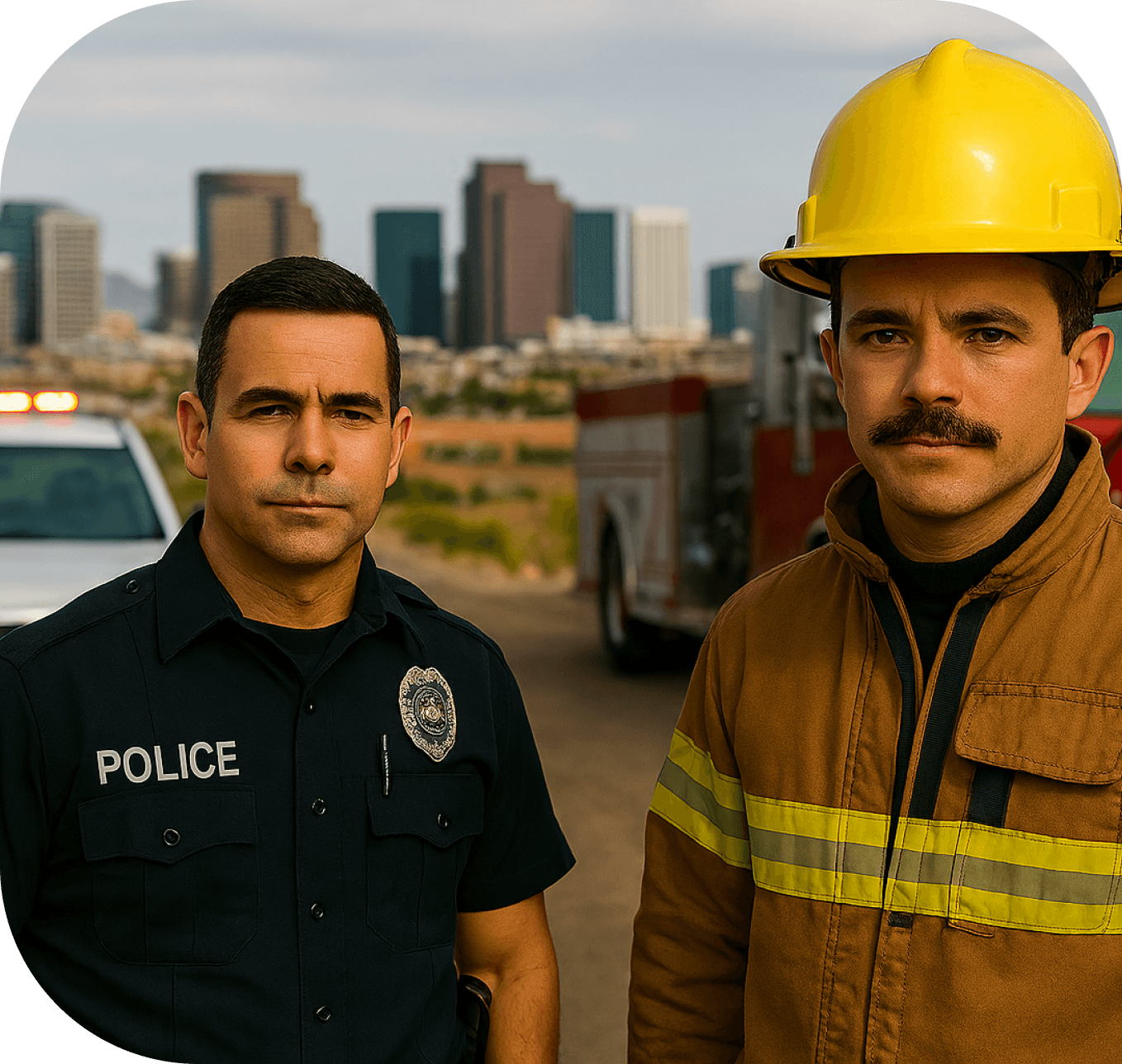
A packed South Valley Community Center turned a documentary screening into a blunt question for Bernalillo County: what happens to firefighters, police officers and other first responders after the sirens stop? The $10 community screening and panel discussion of The Call filled the room at 2008 Larrazolo Rd SW on Saturday evening, bringing the film back to the Albuquerque area where much of it was shot.
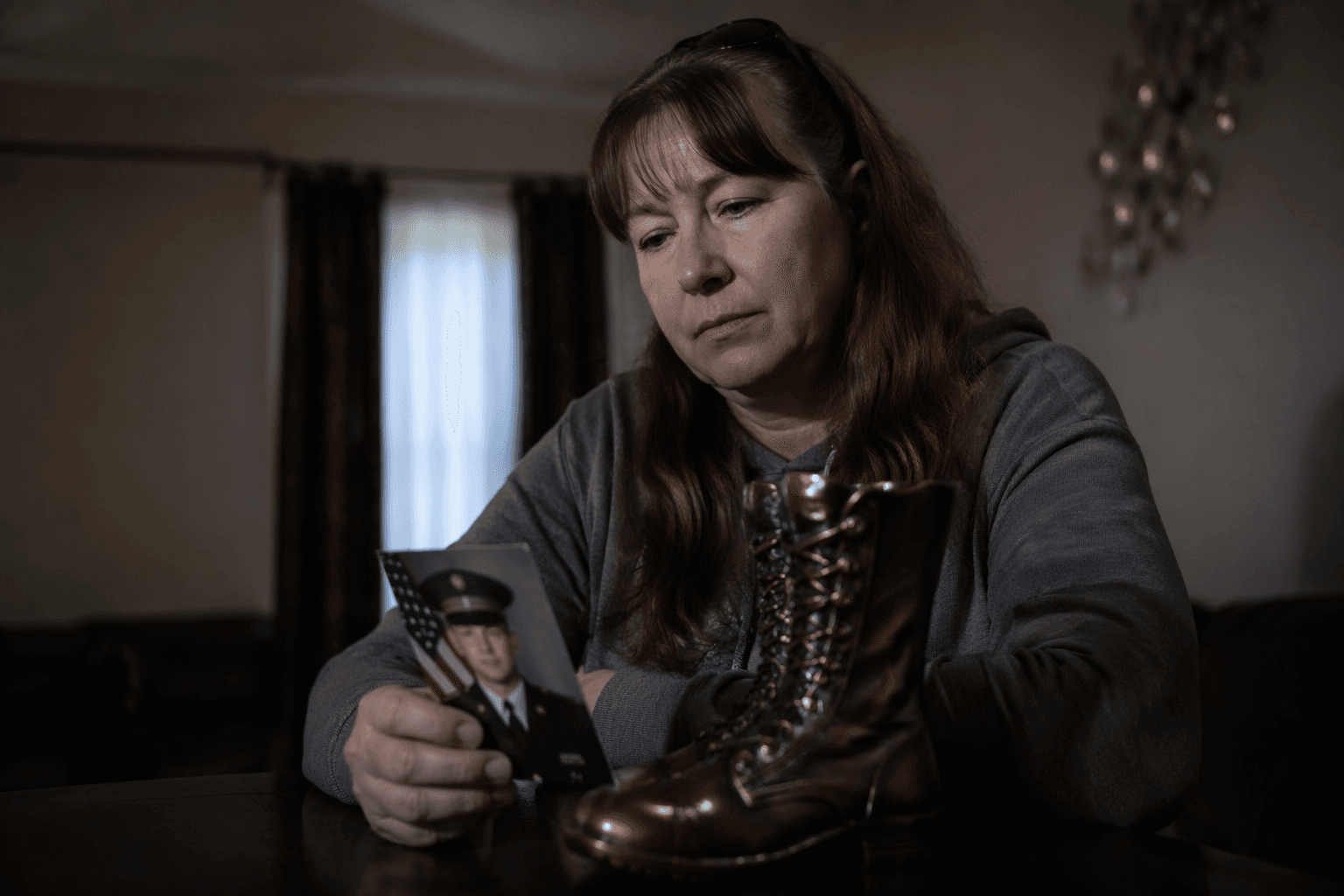
The Call was filmed in Albuquerque after the crew spent weeks with current and retired firefighters in Rio Rancho and Bernalillo County. Presented in partnership with The Sodality Foundation, the film has already won awards at festivals in Canada and France, giving the local premiere a broader sense of recognition even as it stayed rooted in the South Valley. Director Laura Boyd Owen said she hoped audiences would leave with “a message of hope” and said first responders need community support.

That message landed in a county where public safety is often discussed in terms of response times, calls and enforcement, not trauma. The film centers on the mental-health challenges faced by firefighters and other first responders in New Mexico, and the people behind it said they wanted to show it to the community that helped make it possible. The larger issue, though, is what support actually exists once the public event ends and the cameras leave.
In New Mexico, the safety net still relies heavily on crisis response. The New Mexico Crisis and Access Line, reached at 1-855-NMCRISIS, operates 24/7 with professional counselors. 988 New Mexico also offers free and confidential support around the clock for emotional, mental or substance-use needs. Those services matter, but they are crisis lines, not a substitute for the routine counseling and peer support many first responders need to deal with repeated exposure to death, injury and stress.
State lawmakers have also moved the issue into policy. On February 10, 2026, the New Mexico House of Representatives advanced three public-safety bills, including measures aimed at improving mental-health crisis intervention and strengthening benefits for families of police, firefighters and correctional officers killed in the line of duty. That action, along with the documentary’s message, underscores the same point: honoring first responders in public is not the same as building a durable system that helps them stay well.
The Call made that gap harder to ignore in the South Valley, where the people who answer emergencies were being recognized as both public servants and people carrying a weight the public rarely sees.
This article was produced by Prism’s automated news system from verified source data, official records, and press releases, then run through automated quality and moderation checks before publishing. The system is built and supervised by the people who set the standards it runs under. Read our full AI policy.
Did this article answer your question?