Albuquerque uses mosquito-eating fish to cut backyard breeding sites
Albuquerque hands out free mosquitofish and uses inspections, dunks and targeted spraying to stop larvae before they bite. The key is simple: find standing water fast and treat it before mosquitoes can hatch.
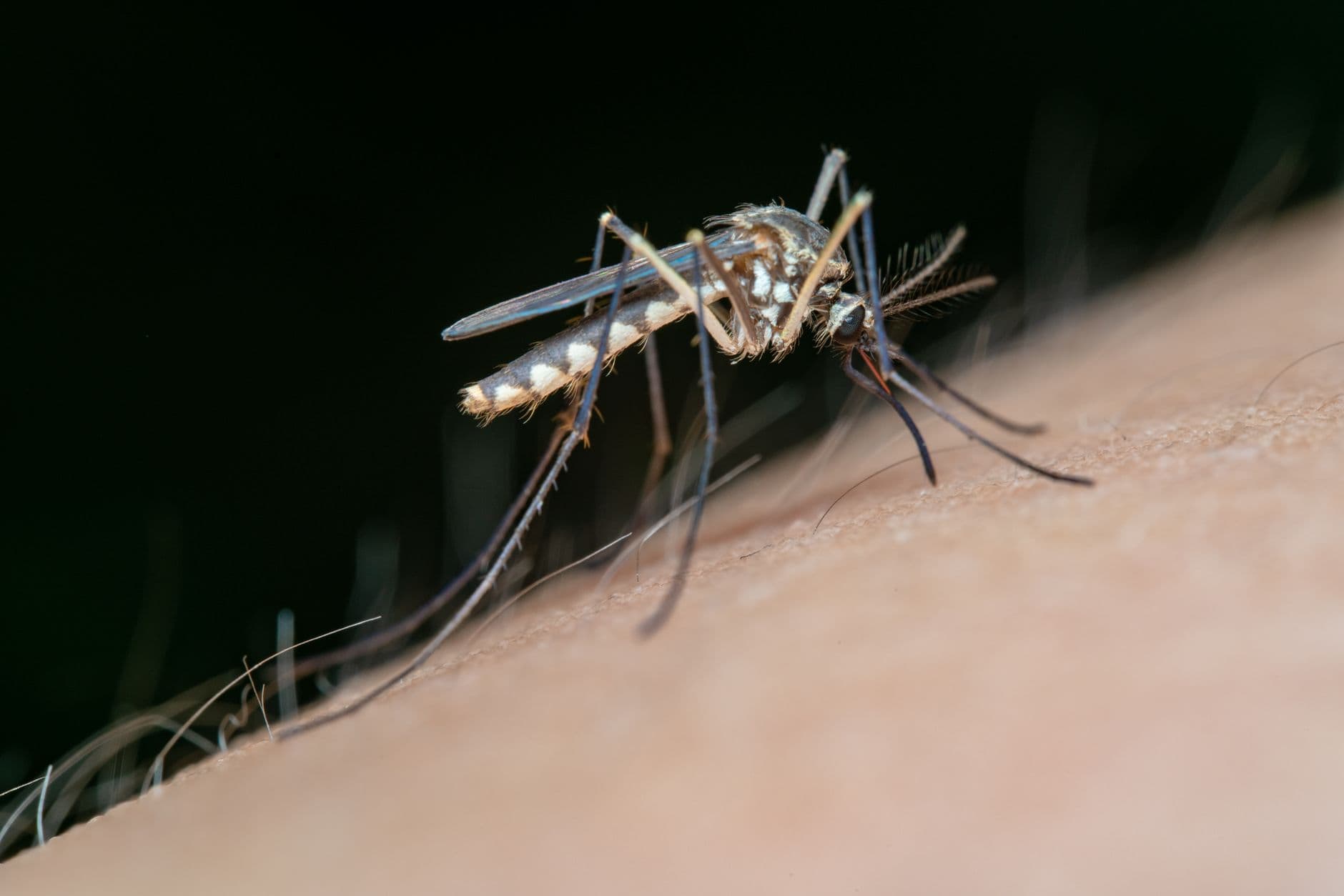
Albuquerque’s mosquito fight starts in the places many homeowners overlook: a backyard pond, a fountain that has gone still, a horse trough, a neglected pool, or even a container left to collect rain. The city and Bernalillo County run mosquito control as a joint program, and residents can tap into it by calling 311 for free mosquitofish, yard inspections and help reporting standing water. The goal is not just to kill adult mosquitoes after they appear, but to cut them off at the breeding stage.
How the free fish program works
The city has used mosquitofish since the 1980s, and it even operates a facility to raise them for city property. The fish are a form of biological control: they eat mosquito larvae in still water before those larvae can mature into biting adults. That makes them useful in places where water sits and cannot be dumped, such as ornamental ponds, fountains, stock tanks and other shallow, stagnant spots around homes.
Residents who have water features or standing water on private property can request fish through 311. The city also offers yard inspections, which can be especially helpful after summer rains when water can collect in unexpected places and stay long enough for mosquitoes to multiply. The city says standing water is prohibited under state and local ordinance and must be prevented, drained or treated, so the fish program is one tool in a larger set of controls, not a stand-alone fix.
The most important caution is where not to use them. City staff warn residents not to dump mosquitofish into rivers or ditches, because they can affect native wildlife. The fish are meant for controlled, stagnant water on properties where mosquito breeding is a problem, not for releasing into waterways.
Where mosquitoes breed fastest in Bernalillo County
Mosquitoes need standing water to complete their life cycle, and Albuquerque’s Urban Biology Division says even a bottle-cap amount can be enough for some species. That is why summer rain, monsoon runoff and irrigation overspray can quickly turn ordinary yards into breeding sites. In the city’s fastest estimate, some mosquitoes can finish a life cycle in about five days in standing water, while KRQE has reported that some species take about 10 days.
- Ponding areas where water sits after rain
- Pools that are not maintained
- Empty containers that hold water
- Shallow stagnant water in yards, patios and driveways
- Backyard features like fountains and troughs that lose circulation
The trouble spots the city highlights are predictable, but they add up fast:
KRQE has reported that Aedes aegypti has been increasingly found in Albuquerque neighborhoods. That species can spread dengue, Zika and other diseases, which raises the stakes beyond nuisance bites. For families in Bernalillo County, that means the most mosquito-prone properties are often the ones with a mix of shade, poor drainage and forgotten water containers that stay wet through warm spells.
When fish beat sprays, and when they do not
Mosquitofish are the better option when the problem is larvae in contained standing water. They work quietly in spots that cannot be emptied every day, and they fit the city’s broader push to minimize pesticide use and resistance through integrated mosquito management. That approach is designed to control mosquitoes at all life stages, using the right tool for the right setting instead of relying only on spraying.
Sprays still have a role, but city monitoring drives that decision. Albuquerque uses trapping and surveillance, then may treat water or spray when mosquito numbers or disease concerns warrant it. The city also uses mosquito dunks containing Bti, a biological larvicide, which gives crews another way to treat water without defaulting to broad pesticide use.
In 2025, the city tested a more environmentally friendly mosquito spray in three metro neighborhoods, showing that the program is evolving beyond the old spray-or-nothing model. The broader system is layered: fish for still water, dunks for treatment, inspections for source control, and targeted spraying when surveillance shows it is needed.
What residents can do this week to cut bites
The fastest way to lower mosquito pressure is to remove water that does not need to be there. City guidance is clear that standing water must be prevented, drained or treated. Residents can make a real difference by checking the usual problem spots after rain and after irrigation cycles, especially in places where runoff pools and sits.
- Empty buckets, plant saucers and other containers that collect rain
- Keep pools maintained and circulating
- Drain or treat ponding areas where water lingers
- Check fountains, troughs and other features for stagnant water
- Report high mosquito areas or standing water through 311
- Request yard inspections if the source is not obvious
- Ask about mosquitofish for water features that cannot be drained
- Sign up for the No-Spray List through 311 if you do not want property treated
A practical checklist for Bernalillo County homes:
That service matters because the city’s mosquito control is built around public reporting. The 311 Community Contact Center is the central way residents can alert the city to standing water and mosquito problems, and it is also the path for requesting fish or opting out of spray treatment.
A regional problem, not just a city nuisance
Albuquerque’s mosquito work is increasingly part of a wider regional response. In July 2025, the city sent an Environmental Health crew to Ruidoso to help with mosquito control after historic flooding, a reminder that the same staff and methods used in Bernalillo County can be deployed when storms create emergency breeding conditions elsewhere in New Mexico.
For local neighborhoods, the lesson is straightforward: mosquito control starts before the first bite. Fish help where water has to stay put, dunks help where larvae are already present, and inspections and drainage keep small pools from becoming the kind of breeding sites that turn a wet week into a longer summer problem.
This article was produced by Prism’s automated news system from verified source data, official records, and press releases, then run through automated quality and moderation checks before publishing. The system is built and supervised by the people who set the standards it runs under. Read our full AI policy.
Did this article answer your question?