Albuquerque’s original Microsoft headquarters added to state historic register
Albuquerque’s old Cal-Linn Building, once Microsoft’s first headquarters, won state historic status, putting the city’s early software era back in the spotlight.
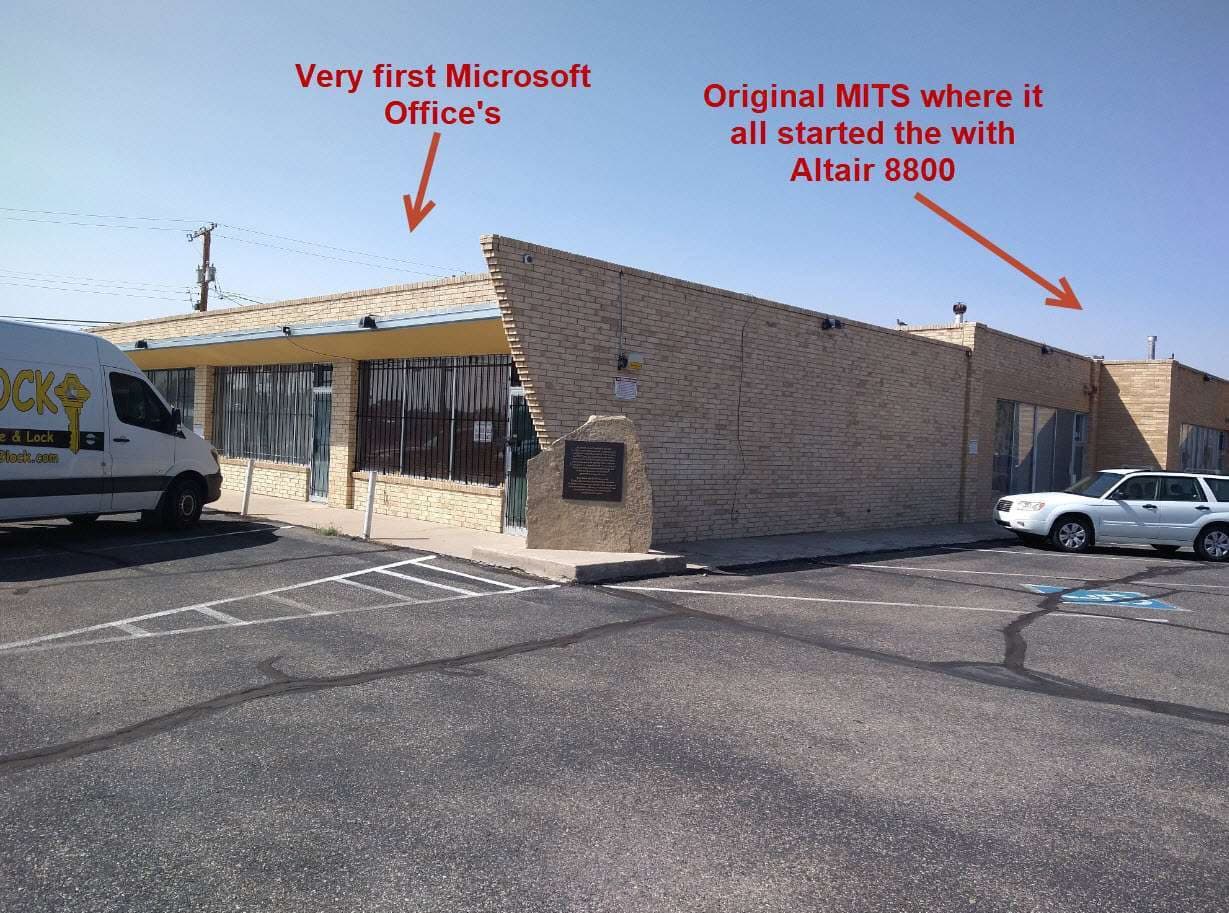
A low-profile building in Albuquerque that once housed Microsoft’s first headquarters is now on New Mexico’s State Register of Cultural Properties, putting Bernalillo County at the center of a tech origin story that long predates today’s startup buzz. The Cal-Linn Building, which also held the offices and assembly facilities of Micro Instrumentation & Telemetry Systems, was one of two properties approved for the register by the Cultural Properties Review Committee on June 19.
The Albuquerque site matters because it was where Paul Allen and Bill Gates worked in 1975 to develop and adapt the BASIC programming language for the Altair 8800, one of the first commercially successful microcomputer kits. That work tied a building in Albuquerque to the early personal-computer era and to the rise of Microsoft, turning an ordinary address into a marker of how New Mexico helped shape technology history.
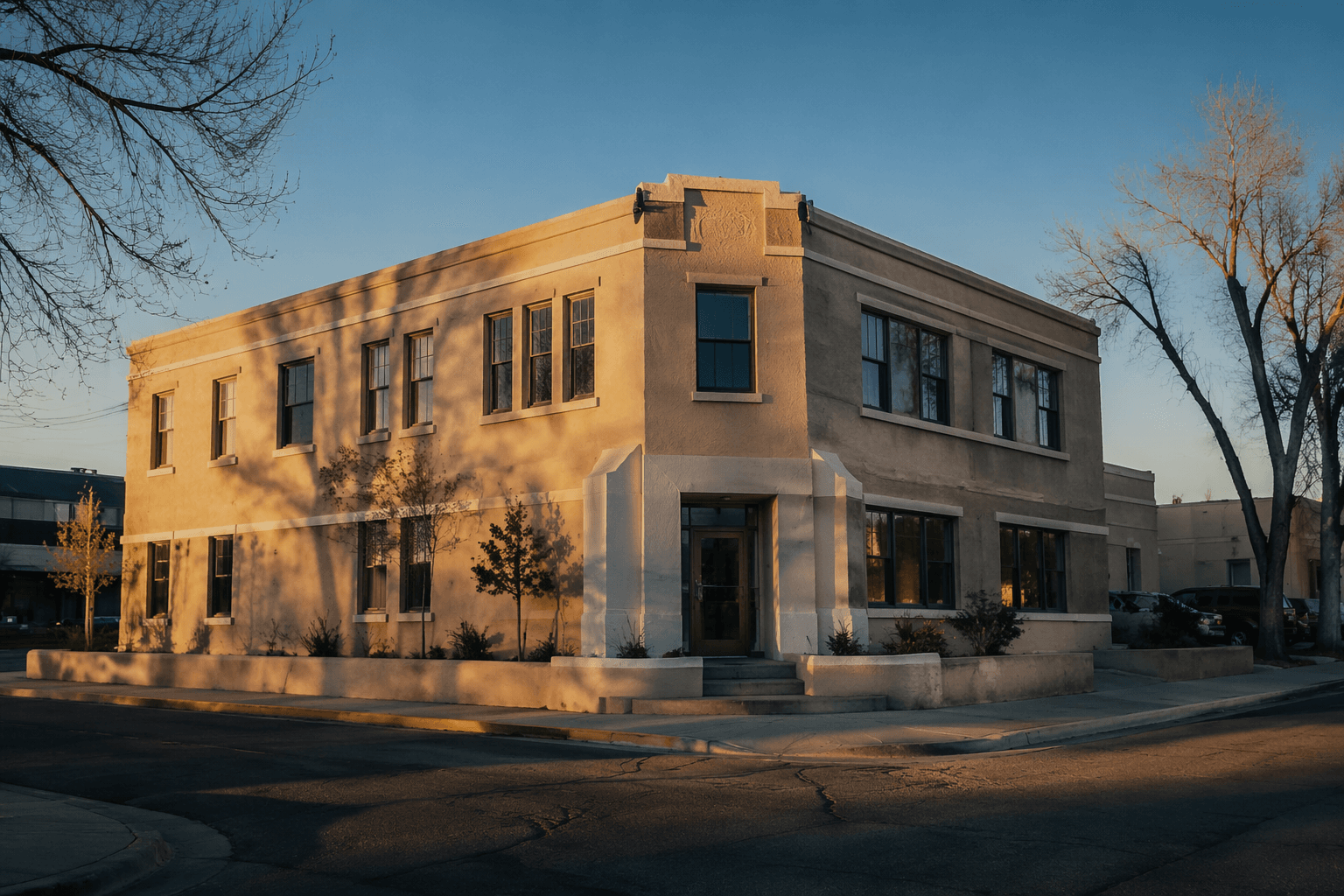
The committee also approved the Dorothy McKibbin House in Santa Fe, another property tied to the state’s scientific past. Together, the two listings move forward to the Keeper of the National Register in Washington, D.C., which means both sites could also be considered for the National Register of Historic Places. State Historic Preservation Officer Michelle Ensey said the properties played key roles in New Mexico’s 20th-century technology advancement.
For Albuquerque, the designation does more than add a plaque to an old building. State register status can raise the bar for how the site is treated in future planning, especially if redevelopment or major alterations are proposed. It can also strengthen the case for preservation-minded review and make the property more likely to factor into historic tax-credit discussions if the site advances to the national level. Just as important, the building is likely to become more visible in the public record, giving residents a clearer reminder that the city was part of the early computer revolution, not just a late arrival to it.

That local significance reaches beyond downtown history. A building many people may have passed without noticing now carries official recognition as part of Albuquerque’s technological identity, linking Bernalillo County to a chapter in New Mexico history that helped define how the state entered the modern digital age.
This article was produced by Prism’s automated news system from verified source data, official records, and press releases, then run through automated quality and moderation checks before publishing. The system is built and supervised by the people who set the standards it runs under. Read our full AI policy.
Did this article answer your question?