Bernalillo County homelessness prevention pilot ends after helping nearly 1,200 families
Nearly 1,200 Bernalillo County families got rent help before the prevention pilot ran dry. County leaders are now racing to find new state money.
Bernalillo County’s homelessness prevention pilot is winding down just after helping nearly 1,200 families keep a roof over their heads, raising a hard question for Albuquerque metro households on the edge of eviction: what replaces the rental aid when the money runs out?
Launched in October, the pilot used more than $4.4 million in state funds to help families with children from newborns through age 22. The county took referrals from schools and faith-based organizations, then paid landlords directly when a family needed help. In some cases, the county covered rent arrears to stop an eviction; in others, it paid future rent to stabilize a household; sometimes it did both.

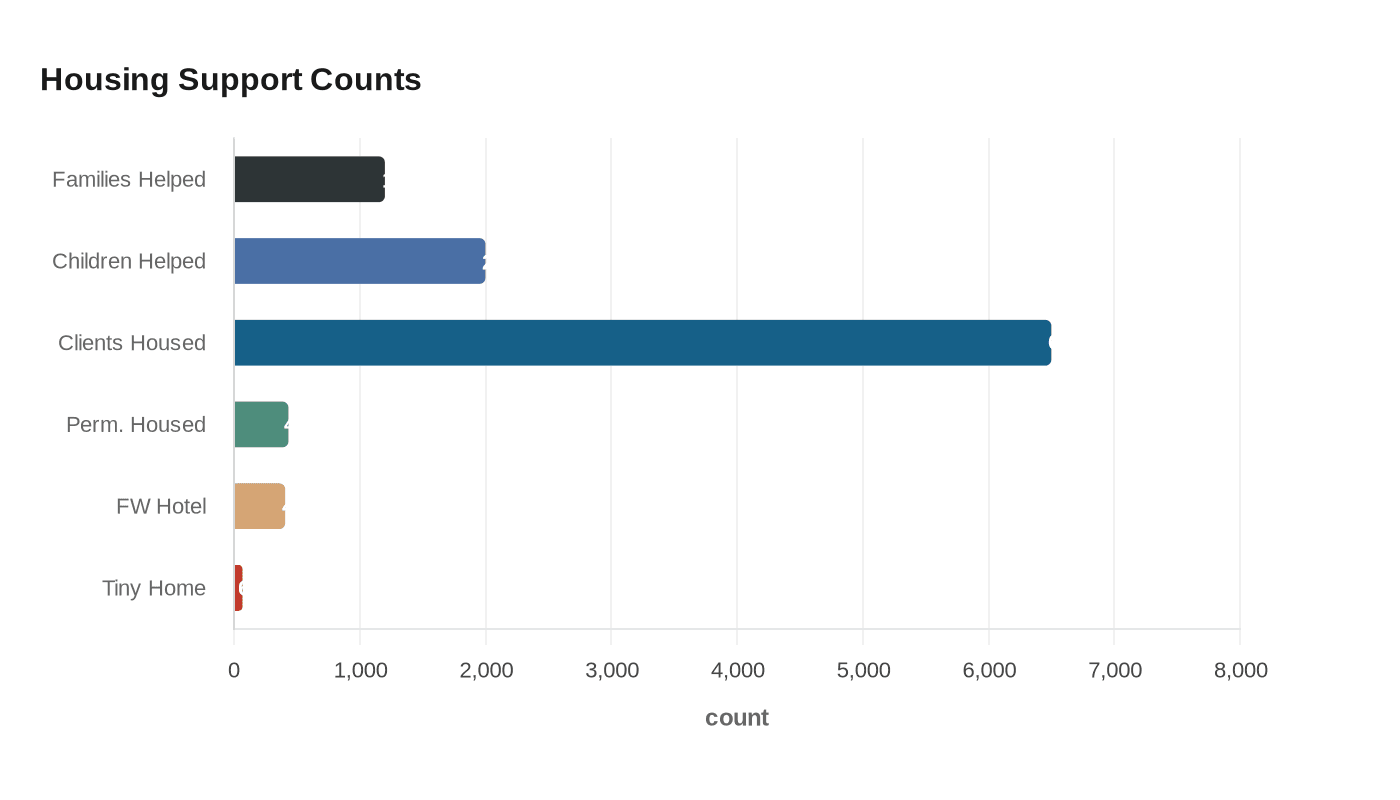
By the time the pilot ends, nearly 1,200 families will have been helped, including almost 2,000 children. Deanna Creighton, speaking for Bernalillo County, called the effort a big success and argued that keeping families housed is cheaper than trying to re-house them after they have already fallen into homelessness.
The bigger concern is what comes next. The county says the current funding is about to run out, and it hopes to secure more state money next year to relaunch the program. Without that support, the direct payments that kept families current on rent or caught up on overdue balances will disappear, along with a fast-moving safety net that moved money straight to landlords instead of sending families deeper into crisis.
That pressure sits inside a wider housing shortage that county officials have been warning about for months. In a July 2025 presentation to state lawmakers, Bernalillo County said it will need 28,000 housing units by 2035, including 4,900 affordable units for people earning 30% below area median income. The county said it had nine housing-related programs and more than 630 units available in fiscal year 2024.
Those programs are already carrying a heavy load. The Family Wellness Hotel housed 407 clients in fiscal year 2024, while the county’s Tiny Home Village housed 67 people. County figures also showed 6,500 clients housed and 433 permanently housed in fiscal year 2024, underscoring why officials have framed prevention and transitional housing as central parts of the response. For families helped by the pilot, the next state budget cycle may determine whether that protection returns before more households slip into homelessness.
This article was produced by Prism’s automated news system from verified source data, official records, and press releases, then run through automated quality and moderation checks before publishing. The system is built and supervised by the people who set the standards it runs under. Read our full AI policy.
Did this article answer your question?